
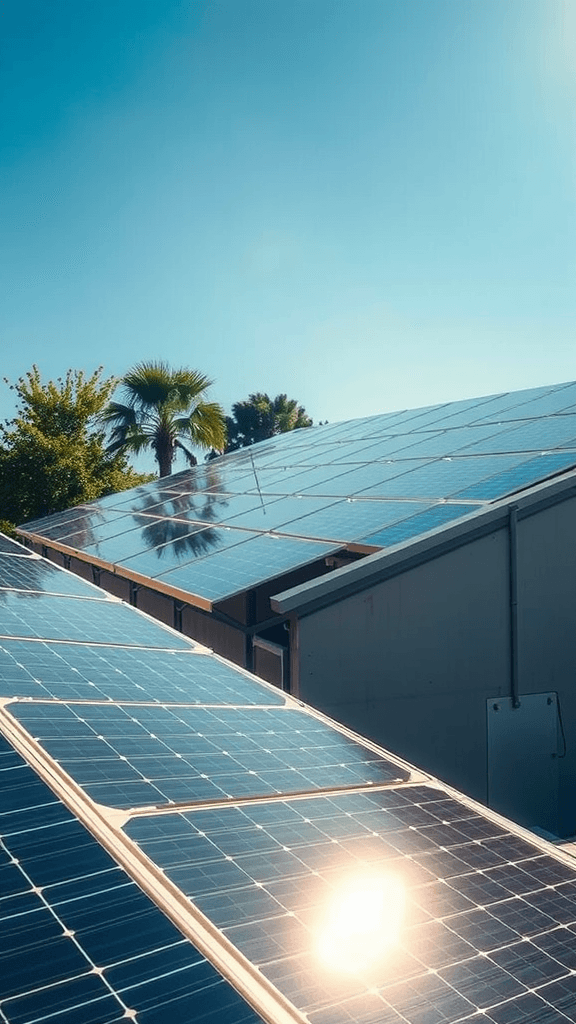
Indirect Light and Solar Panels: Understanding Their Efficiency Beyond Direct Sunlight
When you think of solar panels, you might picture bright, sunny days, with panels soaking up direct sunlight to generate energy. But here’s a surprising fact: solar panels can still perform effectively in indirect light conditions. Understanding how solar panels work in different lighting situations can help you maximize their potential and debunk the myth that they only thrive in direct sunlight.
To clarify, solar panels convert sunlight into electricity using photovoltaic cells. These cells can generate power from both direct and indirect light. Indirect light refers to sunlight that has been scattered or diffused by clouds, fog, or other atmospheric conditions. Although panels generate more energy when directly exposed to sunlight, they can still produce significant amounts of electricity under less-than-ideal conditions.
Here are some key points about how indirect light impacts solar panel efficiency:
Inverter Not Working? Get Emergency Repair!
Don't let a broken inverter leave you without power. Our certified technicians provide same-day diagnosis.
Get Emergency Repair Now →- Less Intensity, Still Potential: While panels produce less energy in indirect light compared to direct sunlight, the potential for energy generation remains. Studies show that modern solar panels can generate up to 25% of their capacity in cloudy or overcast conditions.
- High-Efficiency Panels: Many solar panel manufacturers now offer high-efficiency panels designed to perform better in low-light conditions. These panels utilize advanced technology to maximize light absorption and conversion, making them ideal for various weather conditions.
- Geographic Variations: If you live in an area that experiences frequent cloud cover, it’s crucial to select solar panels known for their performance in indirect light. Solar panels installed in regions with overcast climates can still yield substantial energy output over time.
- Orientation and Installation: The angle at which your solar panels are installed can also impact their performance in indirect light. Proper orientation maximizes exposure to both direct and indirect sunlight, helping to optimize energy production year-round.
- System Configuration: Solar energy systems with battery storage can make up for low energy production days. During sunny days, the batteries can store excess energy, which can be used during periods of cloudy weather, ensuring a more consistent energy supply.
Another common misconception is that solar panels are not worth the investment if you don’t live in a sunny area. This couldn’t be further from the truth. Even in regions with limited sunshine, solar energy can significantly reduce electricity bills over time. The initial investment may seem daunting, but the long-term savings and environmental benefits are substantial.
You should also consider that solar technology is continuously evolving. New innovations in solar cells are making it easier for panels to convert lower levels of light into usable energy. For example, bifacial solar panels capture light from both sides, enhancing energy production even on cloudy days.
Environmentally, relying more on solar power contributes to reducing greenhouse gas emissions. Utilizing solar energy, even when the sun isn’t shining directly, can support efforts towards a more sustainable future.
Inverter Not Working? Get Emergency Repair!
Don't let a broken inverter leave you without power. Our certified technicians provide same-day diagnosis.
Get Emergency Repair Now →Furthermore, hybrid solar systems combining traditional solar panels with other renewable technologies can enhance efficiency. For instance, pairing solar with wind energy or using solar thermal systems can provide a more stable energy supply, taking advantage of varying weather conditions.
In addition, understanding your energy needs and consumption patterns is vital. If you know how much energy your home requires, you can size your solar panel system appropriately. This way, you can ensure adequate energy generation, even on days with less sunlight.
The idea that solar panels only work well in direct sunlight is a myth. They are capable of producing energy in indirect light, making them a viable option for many homeowners. With advancements in technology and knowledge about proper system installation and maintenance, you can benefit from solar energy even when conditions aren’t perfect. Exploring solar energy not only helps reduce your carbon footprint but also contributes to a healthier planet.
Inverter Not Working? Get Emergency Repair!
Don't let a broken inverter leave you without power. Our certified technicians provide same-day diagnosis.
Get Emergency Repair Now →So, if you’ve been hesitant to invest in solar due to concerns about sunlight availability, it might be time to rethink your stance. Your investment can pay off in more ways than one, paving the path towards a sustainable future.
The Science of Solar Energy: How Cloudy Days Still Benefit Your Solar Panels
You’ve probably heard that solar panels need direct sunlight to work effectively. This common belief can be misleading. In reality, solar panels can still generate power on cloudy days. Let’s explore how this works and what it means for you.
Understanding Solar Panel Functionality
Solar panels are made up of photovoltaic (PV) cells that convert sunlight into electricity. These cells use photons, or light particles, to create an energy flow. When it’s cloudy, fewer photons reach the panels, but that doesn’t mean production stops altogether. Here’s what you need to know:
Inverter Not Working? Get Emergency Repair!
Don't let a broken inverter leave you without power. Our certified technicians provide same-day diagnosis.
Get Emergency Repair Now →- Indirect Light: On overcast days, solar panels can still absorb indirect light. Even a cloudy sky allows around 50-80% of sunlight to reach the ground. This indirect light is still powerful enough to generate energy.
- Efficiency Rates: Solar panels have a certain efficiency rating. Most modern panels can convert around 15-20% of sunlight into electricity, regardless of cloud cover. While production does drop, it doesn’t halt.
- Type of Solar Panels: Some technologies, like bifacial solar panels, can capture light from both sides, increasing their electricity generation capacity during cloudy days.
The Role of Weather Conditions
The weather undeniably affects solar power generation. However, it’s important to consider that solar energy systems are built to adapt to variable conditions. Here’s a closer look:
- Cloud Cover: Dense clouds block sunlight significantly. When it’s mildly cloudy, however, solar panels can still work efficiently. You may notice a decrease in energy production, but it is not as drastic as many believe.
- Temperature: Solar panels perform better in cooler conditions. On a hot sunny day, overheating can reduce their efficiency. In contrast, cooler temperatures might help maintain optimal performance even with reduced sunlight.
- Snow and Rain: Interestingly, snow can act as a temporary cover but often melts off quickly, and rain can help clean the panels, improving their efficiency when the sun shines again.
Real-World Performance
Let’s look at some data showing solar panel performance in various weather conditions. Research indicates that:
- Annual Output Consistency: Many residential solar systems produce power consistently throughout the year, with only minor drops during the winter months.
- Cloudy Days Contribution: On cloudy days, systems may only produce around 10-30% less energy compared to sunny days. This percentage varies based on cloud thickness and the solar panel’s efficiency.
- Location Matters: Areas with higher rainfall or cloud cover, like the Pacific Northwest, still see significant solar energy production thanks to the high number of overcast but still bright days.
Planning for Solar Energy
If you’re considering solar panels, understanding how they function in varying light conditions can help you make informed decisions. Here are a few tips:
Inverter Not Working? Get Emergency Repair!
Don't let a broken inverter leave you without power. Our certified technicians provide same-day diagnosis.
Get Emergency Repair Now →- Evaluate Your Location: Check the solar potential in your area. Online solar calculators or consultations with local experts can help.
- Choose the Right Equipment: Look for panels designed to perform well in diverse light conditions. Ask about warranties and performance guarantees.
- Monitor Your System: Use monitoring tools to track your energy output. This can help you understand your system’s performance during cloudy days.
Solar panels are versatile and efficient even on cloudy days. You don’t have to live in a sunny area to benefit from solar energy. By understanding how your panels work in various conditions, you can maximize your energy production and contribute to a sustainable future.
Conclusion
Understanding solar energy means recognizing that its potential is not solely defined by direct sunlight. Many people believe that solar panels can only thrive under bright, sunny skies, but this myth overlooks the efficiency and adaptability of modern solar technology. Indirect light, including diffused sunlight on cloudy days, can still produce significant energy. Research has shown that solar panels can generate power even when the sun is obscured, taking advantage of scattered light in the atmosphere.
The science behind solar energy illustrates how panels operate in various conditions, confirming that cloudy days can still yield a respectable amount of energy output. While direct sunlight does enhance efficiency, these systems can effectively harness indirect light to ensure a more consistent energy supply. This resilience means that you don’t have to rely solely on sunny days to enjoy the benefits of solar energy.
Inverter Not Working? Get Emergency Repair!
Don't let a broken inverter leave you without power. Our certified technicians provide same-day diagnosis.
Get Emergency Repair Now →By debunking the direct sunlight myth, you can make more informed decisions about solar panel investments. Understanding the functionality of solar panels in different light conditions empowers you to embrace solar energy without fear of unpredictable weather. Ultimately, this knowledge helps you optimize your energy strategy, ensuring that you take full advantage of the solar potential available to you, regardless of the weather outside. Embracing this information opens up a world where solar energy becomes accessible, effective, and worthwhile in ways you may not have previously imagined.
Ready to discover your solar potential?
Our calculator shows you exact savings projections for your home.