
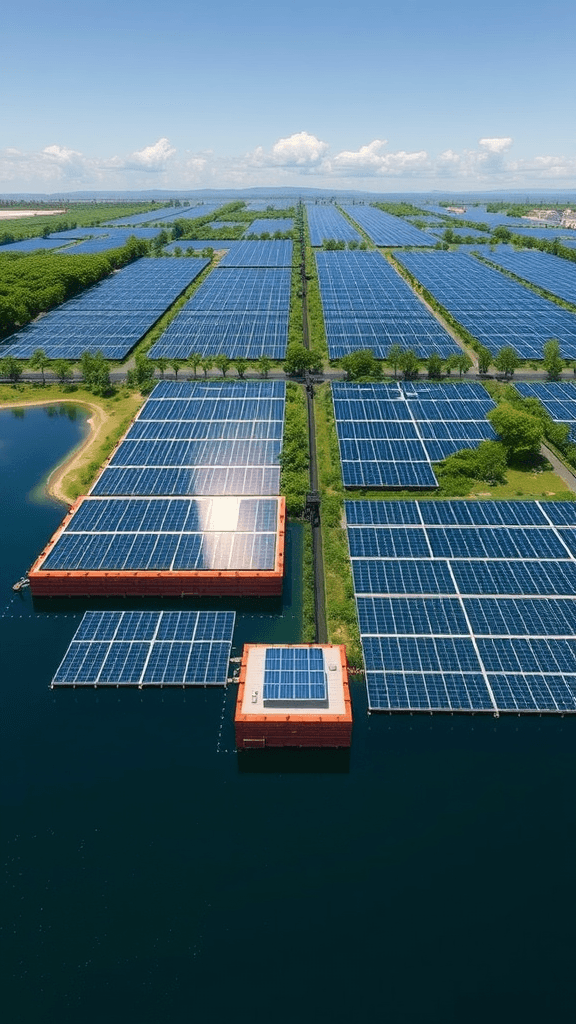
Floating Solar vs Land-Based Arrays: Key Efficiency Factors
When it comes to solar energy, two prominent technologies often come into play: floating solar and land-based solar arrays. Both have distinct advantages and limitations regarding efficiency, making it essential to understand the key factors at play before deciding which option is best for your needs.
Floating solar, or “floatovoltaics,” involves placing solar panels on bodies of water such as lakes, reservoirs, or ponds. This novel approach not only utilizes otherwise wasted space but can also improve the efficiency of solar panels. Water has a natural cooling effect, which can help maintain optimal operating temperatures for solar panels. Meanwhile, land-based arrays consist of solar panels installed on solid ground, utilizing farmland, rooftops, or large solar farms. Each option has its own efficiency considerations worth exploring.
Temperature Regulation
One crucial factor in solar panel efficiency is temperature. Solar panels operate best at cooler temperatures. Floating solar panels benefit from their placement on water, which helps keep them cool. When a panel overheats, it typically produces less energy. According to studies, floating solar arrays can increase energy output by 10-15% compared to land-based systems during peak operational hours due to this temperature regulation.
Inverter Not Working? Get Emergency Repair!
Don't let a broken inverter leave you without power. Our certified technicians provide same-day diagnosis.
Get Emergency Repair Now →Space Utilization
Space is another significant factor when comparing floating vs. land-based solar arrays:
- Floating Solar: Ideal for regions where land is scarce or expensive. Utilizing water bodies prevents additional land disruption.
- Land-Based Solar: Requires extensive land area, which can lead to habitat destruction if not planned carefully. However, land-based installations can be integrated into already developed areas such as rooftops, reducing the need for additional land use.
Water Evaporation and Land Preservation
Interestingly, floating solar also reduces water evaporation, which is particularly valuable in arid regions. By covering a portion of the water surface, floating solar can help conserve water resources, ensuring that the water body continues to serve its ecological purpose. In contrast, land-based arrays may disrupt local ecosystems, leading to potential loss of habitat for various species.
Installation and Maintenance Costs
Another vital consideration is installation and maintenance costs:
Inverter Not Working? Get Emergency Repair!
Don't let a broken inverter leave you without power. Our certified technicians provide same-day diagnosis.
Get Emergency Repair Now →- Floating Solar: Installation can require more complex infrastructure to secure the panels in place, which may increase upfront costs. Maintenance can also be challenging due to accessibility issues, but technology is continually improving.
- Land-Based Solar: Although easier to install and maintain, these systems might incur higher land acquisition or leasing costs, especially in developed regions.
Energy Storage and Grid Integration
Energy storage capabilities can affect overall efficiency and effectiveness as well. While both floating and land-based solar systems produce energy when the sun shines, they often rely on battery storage or grid integration to ensure a consistent power supply. Floating solar installations near water bodies can facilitate more straightforward integration with existing water-based energy infrastructure, such as hydroelectric power, allowing for potentially seamless energy management.
Environmental Impact and Sustainability
Considering the environmental impact is crucial when evaluating these solar options. Floating solar can create minimal land disruption while preserving local ecosystems. Furthermore, the panels can reduce algal blooms in reservoirs, keeping water bodies cleaner. On the other hand, land-based arrays may compete with vital land uses such as agriculture, potentially leading to food security issues.
In terms of sustainability, both options have their merits. Floating solar reduces water evaporation and is less invasive to land ecosystems, while land-based installations can be designed to coexist alongside agricultural practices and utilize existing structures.
Inverter Not Working? Get Emergency Repair!
Don't let a broken inverter leave you without power. Our certified technicians provide same-day diagnosis.
Get Emergency Repair Now →Ultimately, whether you choose floating solar or land-based arrays will depend on your specific circumstances, including available space, environmental considerations, budget constraints, and geographical location. By weighing these key efficiency factors, you can select the solar solution that best aligns with your energy goals and sustainable practices.
The Environmental Impact of Floating Solar Installations Compared to Land-Based Systems
As renewable energy continues to gain traction, the environmental impact of various solar installations becomes crucial to understand. Floating solar and land-based systems present different benefits and challenges that can significantly affect local ecosystems, water resources, and greenhouse gas emissions. Exploring these factors helps determine which option is more sustainable and efficient in different contexts.
Floating solar installations, often known as floatovoltaics, are solar panels placed on bodies of water. This innovative approach has environmental benefits that differ from traditional land-based solar arrays. One major advantage of floating solar is the reduction of land use. By utilizing bodies of water, these installations help preserve valuable agricultural and natural land that might otherwise be consumed by solar farms. In areas where land is limited or expensive, floating solar provides an attractive alternative.
Inverter Not Working? Get Emergency Repair!
Don't let a broken inverter leave you without power. Our certified technicians provide same-day diagnosis.
Get Emergency Repair Now →Another notable benefit of floating solar is its potential for increased efficiency. Solar panels typically operate at optimum efficiency when kept cool. Water bodies can effectively cool the solar panels, which may improve energy absorption compared to land-based systems that experience elevated temperatures. According to various studies, floatovoltaic systems can achieve energy generation efficiencies that are 10% to 20% higher than their land-based counterparts, especially in warmer climates.
Moreover, floating solar has a positive effect on water bodies. Floating solar installations can minimize evaporation from lakes and reservoirs. In regions suffering from water scarcity, this can be a significant advantage as it helps to conserve this precious resource. Additionally, shading the water can inhibit algae growth, improving water quality and benefiting aquatic ecosystems.
On the other hand, land-based solar systems come with their own set of environmental impacts. While they take up more terrestrial space, they can be more easily integrated into existing infrastructures. Rooftop solar installations and solar farms on previously disturbed land, such as brownfields, can minimize their ecological footprint. Conversely, poorly planned land-based solar farms can result in habitat loss, soil degradation, and disruptions to local wildlife.
Inverter Not Working? Get Emergency Repair!
Don't let a broken inverter leave you without power. Our certified technicians provide same-day diagnosis.
Get Emergency Repair Now →In terms of construction and maintenance, floating solar systems can present unique challenges. Installing solar panels on water requires specialized engineering and careful consideration of the local aquatic environment. If not properly constructed, there is a risk of disrupting fish habitats and other marine life. Moreover, floating systems may require more maintenance due to weather-related wear and tear, which can lead to increased operational emissions and resource consumption.
When considering the installation and environmental impact of solar systems, two essential factors to evaluate are:
- Location: The chosen site for both floating and land-based solar has environmental implications. Existing bodies of water versus pristine land can dictate the impact level on local ecology.
- Technology: The technology used in both installation types can affect efficiency and sustainability. Advanced materials and designs can mitigate some environmental effects.
Another environmental aspect to consider is waste management. Solar panels typically have a lifespan of 25 to 30 years. When their time is up, both floating and land-based systems will require careful disposal or recycling to prevent hazardous materials from entering the environment. Emphasizing recycling within the solar industry can lessen the ecological consequences associated with these installations.
Inverter Not Working? Get Emergency Repair!
Don't let a broken inverter leave you without power. Our certified technicians provide same-day diagnosis.
Get Emergency Repair Now →While floating solar offers several advantages in terms of land preservation, efficiency, and water conservation, land-based systems also provide valuable opportunities when placed on disturbed land. Ultimately, the decision between floating solar and land-based arrays should consider specific local environments, resource availability, and community needs. By doing so, we can make informed choices that benefit both energy production and environmental sustainability.
Recognizing that environmental impacts differ between floating and land-based installations is essential for responsible energy production. Whether in sunny regions with limited land or areas rich in water resources, understanding these differences will guide the continued growth of solar energy as a crucial component of global electricity generation.
Conclusion
Choosing between floating solar and land-based arrays involves careful consideration of several key factors. Both systems offer distinct advantages, but efficiency, environment, and location play crucial roles in determining the best fit for your energy needs. Floating solar installations often achieve higher efficiency levels due to cooling effects from the water body beneath, which can enhance solar panel output. Conversely, land-based systems can benefit from greater accessibility for maintenance and installation, making them a practical option in many regions.
Inverter Not Working? Get Emergency Repair!
Don't let a broken inverter leave you without power. Our certified technicians provide same-day diagnosis.
Get Emergency Repair Now →When examining the environmental impact, floating solar systems stand out for their ability to utilize unused water surfaces, reducing land degradation and preserving habitats. This innovative approach can also help in minimizing water evaporation, a significant advantage in arid areas. On the other hand, land-based arrays may require land clearing and can disrupt local ecosystems if not carefully planned.
Ultimately, the choice between floating solar and land-based arrays hinges on specific project requirements, available space, and environmental considerations. By understanding the strengths and weaknesses of each system, you can make an informed decision that aligns with your sustainability goals. As renewable energy evolves, both floating and land-based solar technologies will continue to play significant roles in the global shift towards cleaner energy solutions. Evaluating your options will not only help you optimize efficiency but also contribute to a more sustainable future for our planet. Energy choices today pave the way for a greener tomorrow.
Ready to discover your solar potential?
Our calculator shows you exact savings projections for your home.
Inverter Not Working? Get Emergency Repair!
Don't let a broken inverter leave you without power. Our certified technicians provide same-day diagnosis.
Get Emergency Repair Now →