Your solar savings are waiting - calculate them now! -Free Solar Calculator
Seasonal solar adjustments for optimized yearround power 1750256922

Seasonal Solar Adjustments For Optimized Year-Round Power

Seasonal Solar Adjustments for Optimized Year-Round Power: Techniques and Benefits

Optimizing solar power for your home involves more than just installation. Seasonal solar adjustments are crucial for maximizing energy efficiency and saving on utility bills throughout the year. By understanding the natural changes in sunlight exposure, and making strategic adjustments, you can ensure that your solar panels perform at their best, no matter the season.

Understanding the Sun’s Path

The sun’s trajectory changes with the seasons, affecting the amount of sunlight that strikes your solar panels. In winter, the sun stays lower in the sky, especially in the northern hemisphere. Conversely, during summer, it peaks higher, leading to longer days. Knowing the path of the sun enables you to make adjustments that can significantly increase your solar energy capture.

Techniques for Seasonal Solar Adjustments

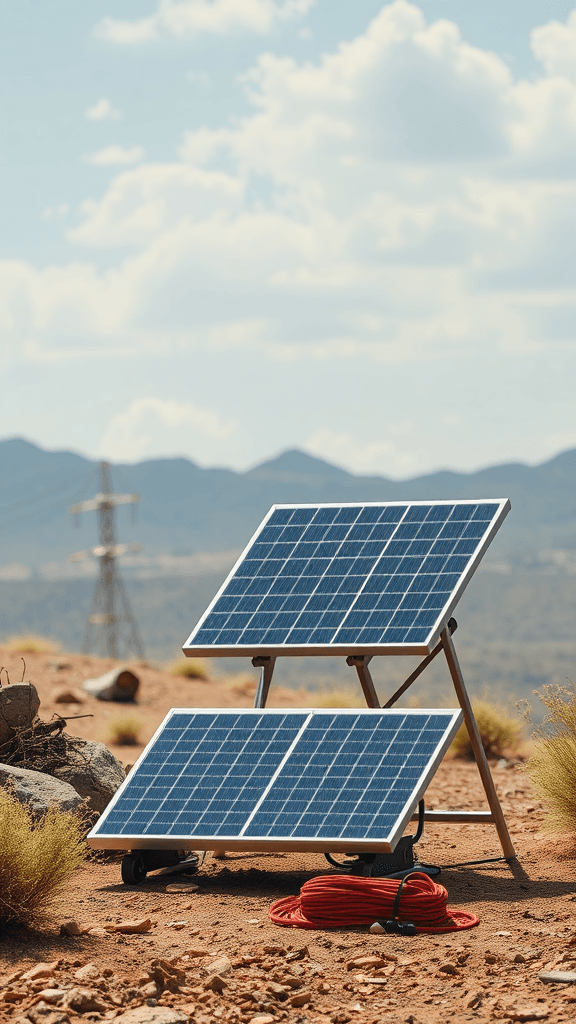
  • Adjusting the Angle of Your Panels: Tilt your solar panels according to the changing seasons. A steeper angle in winter will better catch low-hanging sunlight, while a flatter angle in summer will capitalize on the high sun.
  • Regular Maintenance: Clean your solar panels regularly. Dust, snow, and debris can block sunlight. Performing seasonal maintenance prevents loss of efficiency.
  • Landscaping for Shade Control: Trim trees or shrubs that might cast shadows on your panels. Ensure that you have a clear path for sunlight throughout the year.
  • Seasonal Energy Storage: Invest in battery storage systems to harness excess energy produced during sunny months and use it during darker seasons.
  • Smart Home Integration: Use smart devices to optimize energy usage based on solar energy availability. Schedule heavy appliances during peak sunlight hours.

Benefits of Seasonal Solar Adjustments

Making seasonal solar adjustments has numerous benefits, enabling you to get the most out of your investment. Here are some key advantages:

  • Increased Energy Efficiency: By optimizing the angle and condition of your solar panels, you can significantly boost your energy output. More collected sunlight means more energy available for your needs.
  • Lower Energy Costs: When solar panels operate at peak efficiency, they reduce your reliance on traditional energy sources, leading to lower monthly bills. This can be particularly beneficial during winter months when energy consumption tends to rise.
  • Maximized Return on Investment: With improved energy production, your solar system pays for itself faster. Rigorously maintaining and adjusting your panels ensures that you receive top performance from your solar investment.
  • Environmental Impact: Using solar energy reduces your carbon footprint. Every incremental improvement in efficiency contributes to a greener planet.
  • Enhanced Property Value: Homes equipped with high-performing solar systems often have higher market values. Proper adjustments can showcase your system’s efficiency during a home sale.

Consider Professional Help

While many adjustments can be done yourself, consulting with a solar energy professional might be worthwhile. They can provide insights specific to your home’s orientation, roof structure, and local weather patterns, allowing you to make the most informed decisions regarding your solar setup.

Embracing seasonal solar adjustments ensures that you optimize your power output year-round. By implementing recommended techniques, you can significantly enhance the effectiveness of your solar panels.

These methods not only helps you save money but also promotes a sustainable lifestyle. As you adjust to seasonal changes, you’ll be pleased with how much more power you can generate, creating an energy-efficient home that benefits both you and the environment.

Understanding Solar Panel Efficiency Throughout Different Seasons

The efficiency of solar panels can change with the seasons. Understanding how these adjustments occur allows you to maximize your solar energy production year-round. This knowledge not only helps in optimizing your system but also in planning your energy usage effectively.

Sunlight Exposure and Seasonal Changes

Throughout the year, the angle at which sunlight hits your solar panels varies. During summer, the sun is higher in the sky, while in winter, it sits lower. This difference means that panels can capture sunlight differently across seasons.

  • Summer: With longer days and direct sunlight, solar panels typically operate at their highest efficiency.
  • Fall: As days shorten, panels still perform well, but their output starts to decline.
  • Winter: Although there is less sunlight, colder temperatures can improve solar panel efficiency. Clean, bright days can still yield significant energy output.
  • Spring: As days get longer and warmer, panels generally see a boost in energy production.

Temperature Effects on Solar Panel Performance

Another crucial factor impacting solar panel efficiency is temperature. Many people mistakenly believe that warmer conditions are always beneficial for solar energy generation. However, while solar cells operate more effectively in cold temperatures, excessive heat can hinder performance.

  • Optimal Temperature Range: Solar panels often work best between 15°C to 25°C (59°F to 77°F).
  • High Temperatures: When temperatures exceed this range, panels can experience decreased efficiency. The heat can lead to higher resistance in the panels, reducing their ability to convert sunlight into electricity.
  • Cold Weather Boost: Surprisingly, crisp winter air can help panels work more efficiently, despite the reduced sunlight hours.

Snow and Solar Panels

In regions where snowfall occurs, many wonder how snow affects solar energy production. While snow might block sunlight initially, it often has minimal long-term effects. Here’s how:

  • Self-Cleaning: Snow can melt off solar panels quickly due to their angled surfaces. As it slides off, it cleans the panel, allowing for better sunlight access once melted.
  • Reflective Power: In specific conditions, snow can reflect additional sunlight towards solar panels, enhancing their performance for a short period.

Maintenance Considerations

Maintaining your solar panels throughout the year is vital for optimal performance. Seasonal adjustments can ensure that your system operates efficiently. Here are some tips:

  • Regularly check for dirt, debris, or leaves that may block sunlight, particularly during fall.
  • Clear any accumulated snow from panels in winter if it doesn’t slide off easily.
  • Schedule professional maintenance at least once a year to check connections and ensure everything is running smoothly.

Optimizing Your Solar System

To make the most out of your solar energy system, consider the following strategies:

  • Adjust the Tilt: If you have a roof-mounted solar setup, adjusting the tilt of your panels can optimize sunlight exposure based on the season.
  • Time of Day Usage: Plan to use major appliances during peak sunlight hours. This practice makes the best use of the energy generated during the day.
  • Monitor Performance: Utilize energy monitoring systems to track your solar panel performance. If you notice drops in output, investigate underlying issues.

By understanding how solar panel efficiency changes through different seasons, you can make informed decisions that enhance your energy production. Seasonal solar adjustments ensure that you harness the sun’s power effectively, regardless of the time of year. With a little attention and proactive measures, you can maintain an optimized solar system that consistently meets your energy needs.

Conclusion

Adjusting your solar energy system seasonally can significantly enhance its efficiency and output throughout the year. The techniques covered, from angle adjustments to targeted cleaning and maintenance, allow you to maximize energy capture, regardless of the weather. Understanding how solar panel efficiency fluctuates with changing seasons empowers you to be proactive in your approach.

During the sunny summer months, positioning your panels to capture direct sunlight can result in optimal energy production. Conversely, in winter, adjusting the angle to account for the lower sun can help maintain power generation. Recognizing the impact of cloud cover and snow can also guide your maintenance routines, ensuring that your panels are clear and ready to perform at their best whenever possible.

Implementing these seasonal adjustments not only boosts your energy output but also translates into increased savings on your electricity bills. By taking the time to understand your solar energy system and making regular adjustments, you ensure that you’re getting the most out of your investment, allowing you to enjoy more sustainable living year-round.

In essence, the commitment to seasonal solar adjustments is about securing your energy independence and contributing to a greener planet. The small changes you make today can lead to substantial benefits tomorrow. By staying engaged and informed, you can harness the power of the sun effectively, aligning your energy solutions with the natural rhythm of each season. So, gear up for a bright and efficient future with solar energy that adapts to the world around you.

Seasonal solar adjustments for optimized yearround power 1750213731

Seasonal Solar Adjustments For Optimized Year-Round Power

Seasonal Solar Adjustments for Optimized Year-Round Power

Using solar energy is a smart way to power homes and businesses, but did you know that making seasonal solar adjustments can significantly enhance your energy production? Understanding the sun’s behavior throughout the year is crucial for optimizing your solar power system. This means adjusting your solar panels to capture as much sunlight as possible, depending on the season.

Solar panels work best when they are angled correctly toward the sun. Since the sun rises and sets in different positions throughout the year, seasonal adjustments can help you maximize your energy efficiency. By changing the tilt of your solar panels, you can capture more sunlight during winter months when the sun is lower in the sky and adjust back for the summer months when the sun is higher.

Understanding Sun Angles Throughout the Year

To make effective seasonal adjustments, it’s important to know the sun’s path:

  • Winter: The sun is lower in the sky. A steeper panel angle is necessary to maximize exposure.
  • Spring/Fall: The sun is at a moderate angle, so you can use a standard tilt for optimal performance.
  • Summer: The sun is high, requiring a shallower angle for maximizing sunlight absorption.

The best panel tilt angle varies based on your geographical location. Guidelines suggest using the latitude of your location for a general rule of thumb, but fine-tuning may be necessary for even better results. Online calculators can help determine the optimal angle for your specific area.

Benefits of Seasonal Adjustments

Implementing seasonal solar adjustments offers several advantages:

  • Increased Energy Production: Adjusting the solar panels can boost energy generation by up to 30% in some cases, especially during less sunny months.
  • Extended Lifespan: Properly angled panels can reduce wear and tear. Less accumulation of snow in winter or debris in summer can keep them functioning at their best.
  • Cost Savings: More energy production means lower electricity bills. Over time, these adjustments can lead to significant savings.

Practical Tips for Making Seasonal Adjustments

Here are some practical tips to keep in mind as you make these adjustments:

  • Use Adjustable Mounts: Investing in adjustable mounts allows for easier seasonal changes. This way, you don’t have to uninstall or reposition your solar panels manually.
  • Mark Your Adjustments: Keep a log or use markers on ground mounts to set and remember your ideal angles for each season.
  • Utilize Technology: Consider smart solar tracking systems that automatically adjust the position based on the sun’s movement.

Considerations Before Making Adjustments

Before making adjustments to your solar panels, consider the following:

  • Local Regulations: Ensure your adjustments comply with local regulations related to solar installations.
  • Weather Conditions: Always check for impending weather conditions. Making adjustments in harsh weather can be dangerous.
  • System Type: Not all systems may benefit equally from adjustments. If using fixed-mounted systems, understand limitations.

Seasonal solar adjustments can significantly enhance your solar energy experience. It takes a little effort but reaps major rewards in energy efficiency and cost savings. By staying informed and proactive about your solar system, you create opportunities for optimized, year-round power. Remember, the sun doesn’t just shine in the summer; it’s your job to make sure you capture its energy anytime it shines!

The Impact of Seasonal Changes on Solar Energy Production Efficiency

Solar energy has gained immense popularity, especially as we move towards a more sustainable future. However, seasonal changes play a significant role in solar energy production efficiency. Understanding these changes can help you optimize your solar energy system, ensuring you get the most power throughout the year.

Understanding Solar Energy Production

Solar energy systems harness sunlight using photovoltaic panels, which convert sunlight into electricity. The efficiency of this energy conversion depends on several factors, including sunlight availability, the angle of sunlight, and temperature. Seasonal changes can affect all these factors, making it essential for you to understand their impacts.

Effects of Seasonal Changes on Sunlight Availability

The amount of sunlight varies by season. For example, during summer months, days are longer, and the Sun is higher in the sky. In contrast, winter days are shorter, with the Sun sitting lower on the horizon. Here’s how this seasonal shift affects your solar energy production:

  • Longer Days in Summer: In summer, longer daylight hours mean more solar energy is available for conversion. This can significantly boost your energy production, allowing you to store extra power for later use.
  • Shorter Days in Winter: Winter brings shorter days and less intense sunlight. This naturally leads to a decrease in energy production. Knowing this can help you plan your energy consumption and usage accordingly.
  • Geographic Influence: Your location matters. Areas closer to the equator enjoy more consistent sunlight year-round compared to regions further north or south that experience distinct seasonal variations.

Temperature Effects on Solar Panel Efficiency

Temperature can also significantly influence the efficiency of your solar energy system. While sunlight is crucial for energy production, excessive heat can lead to reduced efficiency.

  • Optimal Temperature: Solar panels work best at moderate temperatures. Ideally, temperatures around 25°C (77°F) yield peak efficiency. As temperatures rise above this, the efficiency can drop, resulting in lower power output.
  • Winter Performance: In colder months, solar panels can perform better in terms of efficiency, despite reduced sunlight. The cooler air helps to maintain optimal operating conditions for the panels.

Seasonal Adjustments for Maximized Efficiency

To optimize your solar energy system across different seasons, consider these adjustment strategies:

  • Adjust the Angle: As the sun’s path changes with the seasons, adjusting the tilt of your solar panels can help capture more sunlight. Consider installing a tracking system or manually adjusting your panels based on the season.
  • Regular Maintenance: Seasonal cleaning and maintenance are crucial, especially in winter, when snow or debris may block sunlight. Keeping your panels clean ensures maximum exposure and energy production.
  • Monitor Energy Consumption: Adjust your energy usage patterns based on seasonal production. For example, use more energy-intensive appliances during peak summer production times.

The Role of Energy Storage

Energy storage systems, such as batteries, can play a vital role in managing seasonal fluctuations. By storing surplus energy generated during peak times, you can ensure power availability during periods of low production.

  • Battery Systems: Consider investing in high-quality battery storage to keep your energy accessible year-round. This ensures that you can rely on your solar energy even in winter or cloudy weather.
  • Smart Technology: Utilize smart technology to monitor energy production and consumption. This allows for better management of stored energy, maximizing the benefits of your solar system.

Understanding the impact of seasonal changes on solar energy production can empower you to make informed decisions regarding your solar energy system. By taking these factors into account, you can optimize energy efficiency year-round. Make sure to adjust your strategies based on seasonal shifts, and you’ll enjoy the full benefits of solar energy in your home.

Conclusion

Seasonal solar adjustments play a crucial role in maximizing your solar energy system’s performance throughout the year. Understanding the impact of seasonal changes and how they affect solar energy production efficiency can significantly enhance your energy output and reduce your reliance on traditional power sources.

As seasons shift, so do factors like sunlight intensity, angle, and duration. Making necessary adjustments to your solar panel angles and configuration can ensure you capture the most sunlight possible, regardless of the time of year. For instance, tilting solar panels at a steeper angle during winter allows you to harness more sunlight from lower-hanging sun rays, while a flatter angle in summer can take advantage of higher sun positions.

Moreover, being proactive in your system’s maintenance becomes even more important when considering seasonal variations. Cleaning panels regularly and removing any obstructions, like fallen leaves or snow, can prevent energy loss. Additionally, investing in smart monitoring technology can help you track your energy production and adjust settings remotely, ensuring you’re always operating at peak efficiency.

By implementing these seasonal solar adjustments, you can optimize your solar power system to work effectively year-round. Not only does this enhance your energy efficiency and savings, but it also contributes to a more sustainable future. Remember, taking the time to adapt your solar energy strategy according to seasonal changes is a smart step toward maximizing your investment and enjoying a reliable energy supply throughout the years.

Solar quality testing understanding certification standards 1750170519

Solar Quality Testing: Understanding Certification Standards

Solar Quality Testing: Essential Certification Standards for Solar Panels

In the world of renewable energy, solar quality testing is crucial. When you decide to invest in solar panels, you want assurance that they are safe, efficient, and built to last. This is where certification standards come into play. Understanding these standards helps you make informed decisions, ensuring you get the best product possible.

Certification standards are guidelines that define the quality and performance benchmarks for solar panels. Several organizations work to develop and enforce these standards, focusing on safety, efficiency, and longevity. When solar panels undergo quality testing and achieve certification, it assures you of their reliability and performance.

Key Certification Bodies for Solar Panels

Several organizations certify solar panels, ensuring they meet specific criteria. Here are a few notable ones:

  • International Electrotechnical Commission (IEC): IEC standards are widely accepted globally. They focus on safety and performance metrics to ensure reliability.
  • Underwriters Laboratories (UL): This organization emphasizes safety testing for solar products, assessing their fire safety and electrical integrity.
  • ASTM International: ASTM sets the standards for testing methods, ensuring solar panels are measured against rigorous criteria.
  • American National Standards Institute (ANSI): ANSI works with different stakeholders to ensure that standards meet industry needs and consumer safety.

Why Certification Matters

Choosing certified solar panels is essential for several reasons:

  • Safety Assurance: Certification means the panels have been rigorously tested for safety, reducing the risk of electrical hazards.
  • Performance Consistency: Certified products have proven their efficiency in generating energy, which can lead to lower energy bills for you.
  • Warranty Protection: Many manufacturers will only honor warranties on certified panels, protecting your investment over time.
  • Resale Value: Certified panels tend to retain their value better, making them a smart choice should you decide to sell your home.

Understanding Common Testing Parameters

When solar panels undergo quality testing, several parameters are evaluated to ensure they meet certification standards:

  • Efficiency Testing: This measures how effectively the panels convert sunlight into electricity, usually expressed as a percentage. Higher efficiency means more energy generation.
  • Durability Testing: Panels are subjected to extreme temperatures, humidity, and other weather conditions to ensure they can withstand environmental stress.
  • Electrical Safety Testing: This involves checking for potential hazards like electrical shocks and fire risks, ensuring that installations are safe for users.
  • Mechanical Load Testing: Panels are tested for sturdiness under various physical stresses such as wind or snowfall.

How to Choose Certified Solar Panels

When selecting solar panels, look for these key indicators of certification:

  • Certification Labels: Always check for certification marks from recognized bodies like IEC or UL on the product.
  • Manufacturer Reputation: Choose reputable manufacturers known for quality products and strong warranties.
  • Performance Data: Review performance data provided by third-party testing to compare options objectively.
  • Customer Reviews: Look for reviews and testimonials that discuss the long-term use and performance of the panels.

Solar quality testing is undeniable in the solar energy landscape. With adequate knowledge of certification standards, you can feel confident in your choices. Investing in certified products not only safeguards your home but also contributes to a more sustainable future. Remember, quality and performance are paramount when harnessing the sun’s power.

The Impact of Certification on Solar Energy Efficiency and Reliability

As the demand for renewable energy sources continues to rise, solar energy stands out for its efficiency and sustainability. However, to ensure these systems are performing at their best, certification plays a crucial role. Understanding the impact of certification on solar energy efficiency and reliability can help you make informed decisions when investing in solar technology.

Certification indicates that a solar device has met specific standards set by recognized entities. These standards evaluate various factors, including performance, safety, and durability. For solar panels, conferences and tests conduct rigorous evaluations to ascertain that they can withstand environmental factors and perform under various conditions. Some of the most credible certification organizations include:

  • Underwriters Laboratories (UL)
  • International Electrotechnical Commission (IEC)
  • American National Standards Institute (ANSI)
  • Solar Rating and Certification Corporation (SRCC)

When you invest in solar panels or systems that are certified by these organizations, you can have peace of mind knowing that they meet strict guidelines. This certification helps ensure that your solar technology will not only function effectively but will also have a longer lifespan.

One significant impact of certification is the assurance of efficiency. Certified solar panels undergo performance testing to determine their energy output. The testing simulates real-life conditions, allowing you to compare different products objectively. For example, consider the difference between two solar panels:

  • A panel with certification producing 300 watts on a sunny day.
  • A non-certified panel producing 250 watts under the same conditions.

Choosing the certified option maximizes your energy output, which is essential for reducing electricity bills. More efficient solar panels also mean less surface area is needed to achieve the desired energy production. This efficiency is vital for residential and commercial sites with limited space.

Another aspect is reliability. Solar systems are a considerable investment, so you want a technology that will deliver consistent performance over time. With certification, you can trust that the products have been tested for various failure modes. This includes:

  • Mechanical stress from wind and snow loads
  • Thermal cycling effects
  • Resistance to humidity and salt mist

These tests help you avoid costly repairs and replacements in the future. If a solar panel is certified as durable, it means it has gone through all necessary procedures to confirm it can withstand different weather conditions and environmental stressors.

Moreover, certified solar products can influence insurance and warranty benefits. Work with companies that offer warranties on certified solar panels often yield better coverage than those that do not. Insurers also take certified products into account, potentially lowering premiums. In this respect, certification not only affects performance but can enhance the overall value of your investment.

Innovations in solar technology are ongoing, and certification bodies continuously update their standards to reflect the latest advancements. This keeps consumers informed about the most reliable and efficient products on the market. By selecting certified solar technology, you are ensuring that your investment aligns with the latest developments in energy efficiency and environmental safety.

Additionally, as you engage in solar investments, consider the long-term impact of certification on resale value. Many buyers are increasingly aware of energy efficiency standards. A property equipped with certified solar panels is more attractive in the real estate market compared to one with unverified systems. This can translate to higher property values and quicker sales.

Ultimately, when you’re looking to install solar, understanding the impact of certification on energy efficiency and reliability is crucial. It can guide you in selecting products that provide the most value and longevity. By investing in certified systems, you not only contribute to creating a sustainable future but also enjoy numerous benefits that come from reliable, efficient energy solutions.

Conclusion

Understanding solar quality testing and certification standards is crucial for anyone involved in the solar energy sector, from manufacturers to consumers. Certified solar panels are designed to meet rigorous performance criteria, ensuring they maintain efficiency and reliability over their lifespan. This commitment to quality not only enhances energy output but also fosters greater trust in solar technology.

When you choose solar panels that have undergone thorough certification, you’re investing in products that are tested for durability, safety, and performance. These panels are built to withstand diverse environmental conditions, ensuring they operate effectively regardless of where they are installed. The result is a more reliable energy source that can significantly lower your electricity bills while minimizing your environmental footprint.

Moreover, the certification process encourages manufacturers to innovate and improve their products continuously. A robust certification framework drives the industry towards higher standards, benefiting you as a consumer by providing access to more advanced and efficient solutions.

As the demand for solar energy grows, understanding the implications of solar quality testing and the impact of these certifications becomes imperative. By prioritizing certified products, you can contribute to a sustainable future while enjoying the peace of mind that comes from using proven, high-quality technology. Engaging in this informed decision-making process not only empowers you but also helps in fostering a reliable solar energy ecosystem that can support global energy needs. So, always look for certification when choosing solar products, because quality matters.

Solar panel manufacturing environmental impact assessment 1750127315

Solar Panel Manufacturing: Environmental Impact Assessment

The Lifecycle Assessment of Solar Panel Manufacturing: Evaluating Environmental Impact

The environmental impact of solar panel manufacturing is a critical topic in today’s renewable energy landscape. Understanding the lifecycle assessment of solar panels can help you, as a consumer or stakeholder, make informed decisions about their use and adoption. From raw material extraction to disposal, solar panels influence the environment in multiple ways. Let’s delve into the various stages of solar panel production and their potential impacts.

Raw Material Extraction

The lifecycle of solar panels begins with the extraction of raw materials such as silicon, silver, and aluminum. These materials are essential for creating solar cells and frames. However, mining activities have significant environmental implications:

  • Destruction of habitats: Mining can disrupt local ecosystems and threaten wildlife.
  • Water usage: The extraction and processing of materials often consume large amounts of water, leading to resource depletion.
  • Pollution: Mining and refining release harmful pollutants into the air and water, affecting both human health and the environment.

To mitigate these impacts, many manufacturers are investing in sustainable sourcing practices. This may include using recycled materials or working with suppliers that adhere to environmental regulations.

Manufacturing Process

The conversion of raw materials into solar panels involves various processes, including purification, crystallization, and assembly. Each of these processes requires energy, often generated from fossil fuels, contributing to greenhouse gas emissions. The following factors influence the environmental footprint during manufacturing:

  • Energy consumption: High energy input can lead to increased carbon emissions, especially if non-renewable sources are used.
  • Chemical usage: The production of solar cells often involves toxic chemicals that can be harmful if not managed properly.
  • Waste generation: Manufacturing processes can produce significant waste, from defective products to excess materials.

Efforts are being made to adopt cleaner technologies, such as using renewable energy in factories. This can significantly reduce the carbon footprint associated with solar panel manufacturing.

Transportation

Once solar panels are manufactured, they need to be transported to various locations for installation. The transportation phase should not be overlooked in the lifecycle assessment:

  • Fuel consumption: Depending on the distance and method of transport, significant fossil fuel consumption may occur.
  • Packaging waste: Transportation often requires extensive packaging, contributing to waste generation.

Optimizing the logistics process can help reduce the environmental impact during transportation. For instance, utilizing local manufacturing hubs or efficient transport methods can reduce the carbon footprint.

Installation and Use

After transportation, solar panels are installed, leading to their peak environmental benefit. Using solar panels generates clean energy, which significantly reduces reliance on fossil fuels. However, there are still environmental considerations during installation:

  • Land use: Large solar farms require significant amounts of land, which may impact local wildlife and vegetation.
  • Installation waste: Unused materials and panels can create waste if not managed properly.

Despite these challenges, the long-term benefits of solar energy outweigh these impacts. Solar panels can produce green energy for 25 years or more, significantly offsetting their initial environmental costs.

End-of-Life Management

The end-of-life phase is crucial in determining the overall environmental impact of solar panels. Without proper management, discarded panels can become hazardous waste:

  • Leaching of metals: Old panels may release toxic substances into the soil and water.
  • Landfill impact: Many panels end up in landfills, which could impact the environment over time.

To combat these issues, recycling initiatives are emerging. Manufacturers are beginning to take responsibility for the end-of-life processes, facilitating the recovery of valuable materials and decreasing waste.

By evaluating the entire lifecycle of solar panel manufacturing, from raw material extraction to end-of-life disposal, stakeholders can better understand the environmental impacts. This knowledge is essential for creating more sustainable practices and improving the viability of solar energy as a cleaner alternative for the future.

Innovations and Sustainable Practices in Solar Panel Production

The solar panel industry is evolving rapidly, embracing innovations and sustainable practices that are transforming how solar technology is produced. As we become more aware of our environmental footprint, manufacturers are stepping up to implement new methods that not only deliver efficiency but also minimize harm to our planet. Here’s a look at some of the key trends shaping the future of solar panel production.

Advanced Materials

One major innovation in solar panel production involves using advanced materials that enhance efficiency and durability. Traditional solar panels are made from silicon, but researchers are exploring alternatives, such as:

  • Perovskite Solar Cells: These cells have a unique crystal structure that allows for higher efficiency rates. They can be produced with simpler manufacturing processes, reducing costs significantly.
  • Bifacial Panels: Unlike conventional panels, bifacial panels harvest sunlight from both sides, which increases energy output. The use of transparent backsheets also permits better light penetration.
  • Recyclable Materials: Some manufacturers are now using materials that can be reused at the end of a panel’s life cycle, greatly reducing waste.

Energy-Efficient Production Processes

Production methods are receiving a makeover to reduce energy consumption. Innovations in technology have allowed for several energy-efficient practices, such as:

  • Automation: Implementing robotic assembly lines cuts down on human error and produces panels more quickly, using less energy in the process.
  • 3D Printing: This technology enables the creation of components with less waste and more precision, leading to a reduced overall carbon footprint.
  • Lean Manufacturing: Adopting lean principles helps reduce waste in various production stages, streamlining operations and improving sustainability.

Water Conservation Techniques

Water is essential in solar panel manufacturing but is also a resource that can be depleted quickly. Many manufacturers are now adopting sustainable practices to conserve this vital resource. Techniques include:

  • Closed-Loop Systems: These systems recycle water used during production, minimizing wastage and ensuring that less fresh water is needed overall.
  • Dry Processing Techniques: Some companies are developing materials and processes that reduce or eliminate water use entirely during the manufacturing phase.

Tracking and Reducing Carbon Emissions

Reducing carbon emissions is critical to the sustainability of solar panel production. Many manufacturers are taking proactive steps to lower their carbon footprints. Methods include:

  • Carbon Offsetting: Many companies now invest in renewable energy projects to offset the emissions generated during production.
  • Transition to Renewable Energy Sources: Utilizing solar energy or wind power to fuel the manufacturing process is becoming more common, contributing to overall carbon reduction.

Life Cycle Assessment Practices

Integrating life cycle assessment (LCA) practices ensures manufacturers understand the environmental impact of their products from inception to disposal. Key components of LCA in solar panel production are:

  • Material Sourcing: Evaluating the environmental impact of raw materials, including energy used in extraction and transportation.
  • End-of-Life Strategies: Planning for recycling or repurposing old panels ensures that materials do not end up in landfills, promoting a circular economy.

As the demand for renewable energy sources continues to grow, innovations and sustainable practices in solar panel production will play a crucial role in shaping the industry. By engaging in responsible manufacturing techniques, companies can redefine their impact on the environment while delivering effective solar technology to meet the world’s energy needs.

Staying informed about these developments positions you to make better decisions regarding solar solutions, whether you’re a consumer, a business owner, or an environmental advocate. In this dynamic field, every step towards sustainability is a step towards a brighter future for our planet.

Conclusion

The environmental impact of solar panel manufacturing is a multifaceted issue that demands attention and action. By conducting a thorough lifecycle assessment, we can understand the various stages involved in solar panel production—from raw material extraction to end-of-life disposal. This comprehensive evaluation reveals both the challenges and opportunities in reducing ecological footprints, paving the way for more responsible practices.

Innovations in solar panel production are key to minimizing environmental harm. The adoption of sustainable practices, such as using recycled materials and enhancing energy efficiency in manufacturing processes, has the potential to significantly lower carbon emissions. Emerging technologies are reshaping how we think about production; for instance, advancements in solar cell design and construction techniques can enhance energy yield while using fewer resources.

As we move forward, it is essential for manufacturers, policymakers, and consumers to collaborate on sustainability initiatives. By prioritizing eco-friendly practices and embracing innovations, we can transform the solar panel industry into a leader in environmental stewardship. This shift not only protects the planet but also contributes to the broader goal of creating a green energy future.

As you consider solar panels for your energy needs, remember the importance of their manufacturing process. Opting for manufacturers that prioritize environmental responsibility can play a pivotal role in steering the industry toward a sustainable path. Together, we can harness the power of the sun while caring for our planet for generations to come.

Solarpowered radiant floor heating efficiency 1750084119

Solar-Powered Radiant Floor Heating Efficiency

The Advantages of Solar-Powered Radiant Floor Heating Efficiency

When considering home heating options, many people seek both comfort and efficiency. One solution that stands out is solar-powered radiant floor heating. This innovative system combines the sun’s energy with the warmth of radiant floor heating, creating a cozy and eco-friendly environment. You might be wondering how this system operates and what advantages it offers. Let’s explore the benefits together.

Solar-powered radiant floor heating relies on solar panels to collect energy from the sun. This energy heats the fluid circulating through the floor. The heated fluid then warms the flooring material, which in turn radiates heat into the entire room. This method provides a consistent and gentle warmth, eliminating cold spots often found in traditional heating systems. Here are several distinctive advantages of this efficient heating method:

  • Energy Efficiency: Using solar energy significantly reduces reliance on fossil fuels and electricity. This means you can save on energy bills and reduce your carbon footprint.
  • Comfort: Radiant floor heating creates even heat distribution, making every part of a room feel comfortable. Unlike baseboard heaters or forced-air systems, there are no drafts or cold areas.
  • Design Flexibility: With radiant heating installed under the floor, you’re free to design your space without worrying about bulky radiators or vents.
  • Low Maintenance: Compared to traditional heating systems, radiant floor heating has fewer moving parts. This leads to lower maintenance needs and longer lifespan for the system.
  • Allergy-Friendly: Unlike forced-air heating, which can circulate dust and allergens, radiant heating ensures cleaner air quality. It gently heats the room without moving dust around.

Now, let’s delve deeper into how solar-powered radiant floor heating stands out in terms of efficiency. The system generally uses a combination of solar thermal panels, which capture sunlight, and a pump to circulate heated fluids. In places with ample sunlight, this combination can be incredibly effective. By harnessing renewable energy, homeowners can rely less on grid power, particularly in regions where electricity costs are high.

You may also learn that the energy efficiency of your solar-powered radiant floor heating system greatly depends on its design and insulation. Properly insulated floors ensure the heat stays longer, maximizing the benefits of the solar energy harvested. The initial investment may seem significant compared to traditional systems, but consider the long-term savings and energy bills when researching your options. With the right installation, solar-powered systems can pay for themselves through reductions in utility costs over time.

Moreover, some may not realize that solar-powered radiant floor heating has an added benefit of compatibility with smart home technologies. You can control the temperature via smartphone apps, and some systems can even learn your schedule. This means your heating can automatically adjust to your preferences, offering further efficiency.

Environmental concerns are also part of the equation. By choosing a solar-powered system, you contribute to a more sustainable future. Reducing greenhouse gas emissions is vital for the well-being of our planet. This practical solution not only enhances your home’s comfort but also aligns with eco-conscious living practices.

Another key element worth mentioning is the potential for government incentives. Many regions offer tax credits or rebates for solar energy systems. This can make the upfront cost much lower. Additionally, your property value may increase due to the installation of energy-efficient systems. If you consider selling your home in the future, energetic savings and enhanced comfort can be appealing features for potential buyers.

It’s clear that opting for solar-powered radiant floor heating provides numerous benefits, including energy efficiency, comfort, and environmental responsibility. If you’re looking to make your home warmer and more sustainable, this may be a perfect choice. Not only will you save money in the long run, but you’ll also contribute positively to the environment while enjoying the consistent warmth throughout your home.

Comparing Energy Savings: Solar-Powered Systems vs. Traditional Heating Methods

When it comes to heating your home, two options stand out: traditional heating methods and innovative solar-powered systems. Each option has its unique benefits, but understanding their energy savings can help you make a more informed choice. Let’s dive into how these systems stack up against each other in terms of efficiency and savings.

Understanding Traditional Heating Methods

Traditional heating systems, such as furnaces, heat pumps, and electric baseboard heaters, have been used for decades. They typically rely on fossil fuels or electricity sourced from the grid, which can lead to higher energy bills, especially during peak usage times. Here are some common characteristics:

  • Energy Source: Primarily dependent on natural gas, oil, or electricity.
  • Efficiency: Many traditional systems range from 65% to 95% efficiency, depending on the model and fuel type.
  • Environmental Impact: High usage of fossil fuels contributes to carbon emissions and environmental concerns.

While these systems can heat your home effectively, the costs can pile up, both financially and environmentally.

The Rise of Solar-Powered Heating Systems

Solar-powered heating systems are growing in popularity, particularly as more people seek eco-friendly and cost-effective solutions. Using renewable energy from the sun, these systems convert sunlight into heat, providing an effective alternative to traditional heating. Here’s how they work:

  • Energy Source: Uses solar panels to harness sunlight.
  • Efficiency: Modern solar heating systems can achieve efficiencies of over 90% under optimal conditions.
  • Environmental Impact: Significantly reduces carbon footprint, relying on clean, renewable energy.

By tapping into solar energy, you can drastically reduce your dependence on fossil fuels, leading to both environmental benefits and lower bills.

Comparing Energy Savings

The real question is, how do these energy systems compare when it comes to savings for homeowners? Here are a few key points to consider:

  • Initial Costs: While solar heating systems often have a higher upfront cost, federal tax credits and local incentives can offset these expenses.
  • Operational Costs: After installation, solar-powered systems have very low operational costs, as sunlight is free. In contrast, traditional systems incur ongoing fuel costs.
  • Long-Term Savings: Users of solar systems often report significant savings on their energy bills. Over time, these savings can surpass the initial investment costs.
  • Maintenance: Traditional systems require regular maintenance to ensure they operate efficiently, whereas solar-powered systems can be less demanding regarding upkeep.

Which Option Is Right for You?

Deciding between traditional heating methods and solar-powered systems involves weighing your priorities. If immediate heating needs and familiarity are more important, traditional methods may be your go-to option. However, if you’re looking for sustainability and long-term savings, solar could be the better choice.

Keep in mind that installing solar heating systems may also increase your home’s value. Potential buyers may be more attracted to homes equipped with energy-efficient technologies. This can provide a strong return on investment when it’s time to sell.

Final Thoughts

Both traditional heating methods and solar-powered systems have their pros and cons. However, when it comes to energy savings and environmental impact, solar solutions generally come out on top. As technology continues to advance, the efficiency and affordability of solar heating will only improve, making it an increasingly viable option for homeowners. Understanding your energy needs, budget, and lifestyle can guide you in making the best choice for your home.

Ultimately, the key is to evaluate your specific situation. Consider how much you currently spend on heating, your home’s energy efficiency, and your willingness to invest in sustainable solutions. Making an informed decision can lead to significant savings and a more eco-friendly living space.

Conclusion

Opting for solar-powered radiant floor heating is a forward-thinking choice that promises both comfort and savings. The efficiency of these systems not only enhances warmth in your home but also utilizes renewable energy to reduce your carbon footprint. With the integration of solar technology, homeowners can enjoy a more efficient heating solution, minimizing reliance on fossil fuels and decreasing monthly energy bills.

When comparing solar-powered systems to traditional heating methods, the energy savings are substantial. Traditional heating systems often draw heavily from electricity or gas, leading to higher operational costs. However, solar-powered radiant floor heating capitalizes on free solar energy, leading to reduced energy consumption and lower costs in the long run. As you invest in this eco-friendly option, you are not only enhancing your living environment but also contributing to sustainable practices.

By choosing solar-powered radiant floor heating, you leverage cutting-edge technology to create a warm, inviting space while achieving energy independence. This efficient heating solution allows you to embrace a greener lifestyle without sacrificing comfort. Ultimately, adopting solar-powered radiant floor heating represents a smart decision for any homeowner looking to combine efficiency, savings, and environmental responsibility. Transitioning to this innovative heating method can significantly impact your home’s energy efficiency, making it a prime choice in modern energy solutions.

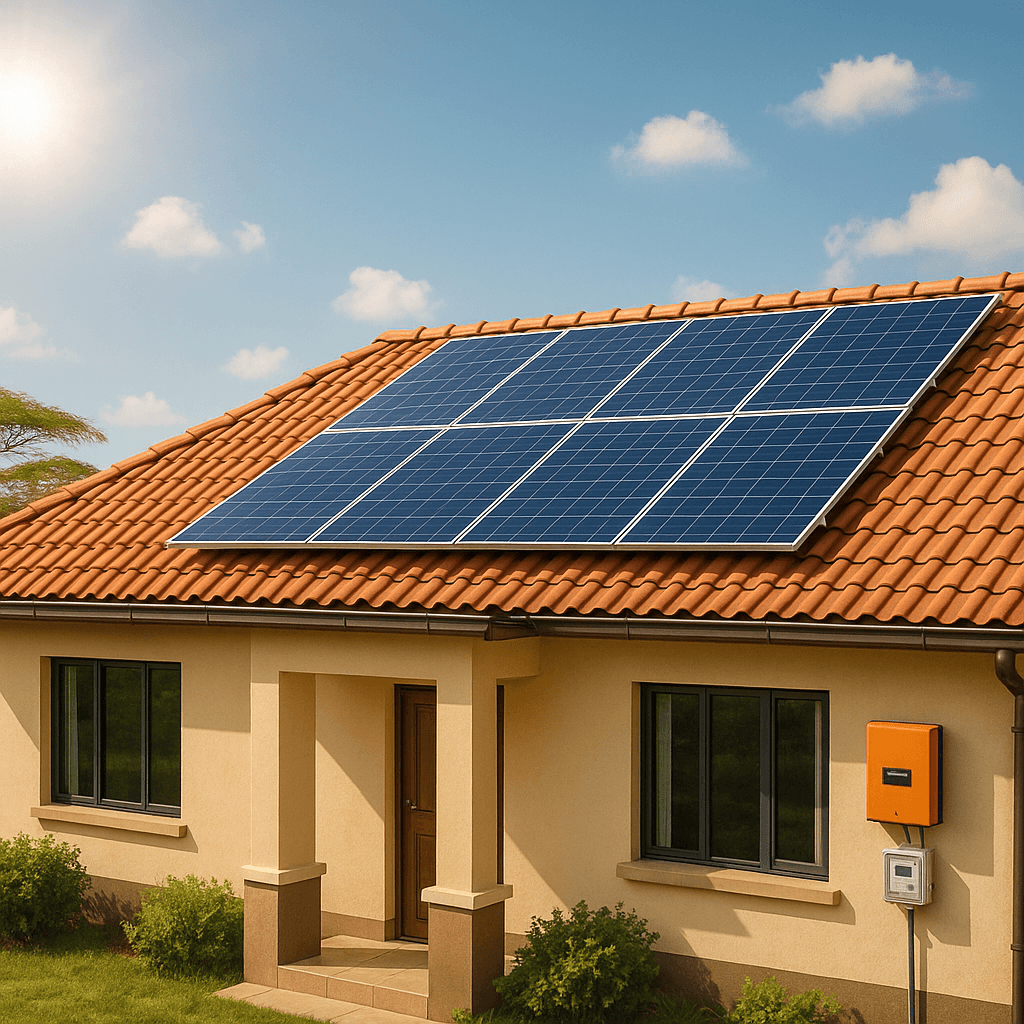
3kw solar panels installed on kenyan home roof with sunny sky background

How 3kW Solar Systems Are Powering Kenya’s Residential Energy Transformation

Kenya’s energy landscape is experiencing a remarkable transformation, with residential solar installations leading the charge toward energy independence. At the heart of this revolution lies the 3kW solar system – a perfectly sized solution that’s empowering Kenyan homeowners to break free from expensive grid electricity while embracing sustainable energy solutions.

From bustling neighborhoods in Nairobi to rural homesteads in Nakuru, the adoption of 3kW solar systems has reached unprecedented levels. This comprehensive guide explores why these systems have become the cornerstone of Kenya’s residential energy transformation and how they’re reshaping the way families power their homes.

The Perfect Power Match: Why 3kW Solar Systems Dominate Kenya’s Market

High efficiency solar installation
How 3kW Solar Systems Are Powering Kenya's Residential Energy Transformation 13

The 3kW (3000-watt) solar system has emerged as the sweet spot for Kenyan households, and this isn’t by accident. After analyzing countless installations across the country, it’s clear that this capacity perfectly aligns with the energy consumption patterns of typical Kenyan homes.

A standard 3kW solar system can generate approximately 12-15 kWh of electricity daily under Kenya’s abundant sunshine conditions. This output comfortably powers essential household appliances including refrigerators, televisions, lighting systems, phone chargers, and even small air conditioning units during peak sunshine hours.

What makes 3kW systems particularly attractive to Kenyan homeowners:

The affordability factor cannot be overlooked. With complete 3kW solar installations ranging from KSh 250,000 to KSh 400,000 depending on component quality and installation complexity, these systems offer an accessible entry point into solar energy without the hefty investment required for larger installations.

The payback period for 3kW systems typically ranges from 3-5 years, making them financially attractive compared to continued reliance on grid electricity. With KPLC tariffs continuing to rise, many homeowners report electricity bill reductions of 70-90% within the first month of installation.

Kenya’s Solar Advantage: Natural Resources Driving Adoption

Kenya’s geographical position along the equator provides exceptional solar irradiance levels, averaging 4-6 kWh per square meter daily. This natural advantage means 3kW solar systems in Kenya often outperform similar installations in temperate climates by 20-30%.

The consistent sunshine throughout the year eliminates the seasonal performance variations experienced in other regions. Even during Kenya’s rainy seasons, solar panels continue generating substantial electricity, ensuring year-round energy security for homeowners.

Regional performance variations across Kenya:

Coastal regions like Mombasa and Malindi experience slightly higher temperatures that can reduce panel efficiency marginally, but the trade-off comes with extended daylight hours and minimal cloud cover during dry seasons. Highland areas including Nairobi and Nakuru benefit from cooler temperatures that optimize panel performance, though occasional cloud cover may reduce daily generation.

Central Kenya, particularly areas around Mount Kenya, experiences some of the country’s best solar conditions, with clear skies and optimal temperatures creating ideal conditions for 3kW systems to achieve maximum output potential.

Economic Impact: How 3kW Systems Transform Household Budgets

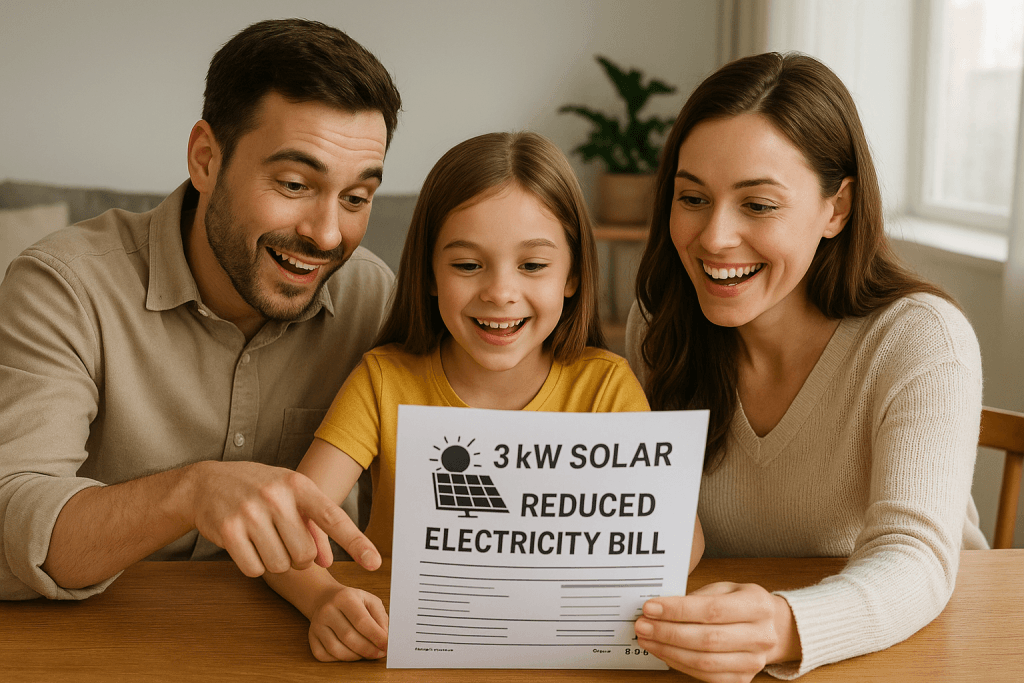
Solar savings celebration
How 3kW Solar Systems Are Powering Kenya's Residential Energy Transformation 14

The financial transformation experienced by Kenyan families switching to 3kW solar systems extends far beyond reduced electricity bills. These installations create ripple effects that improve overall household financial health and enable new economic opportunities.

Immediate financial benefits:

Monthly electricity savings typically range from KSh 3,000 to KSh 8,000 for average households, depending on previous consumption patterns. These savings accumulate rapidly – a family saving KSh 5,000 monthly recovers their initial KSh 300,000 investment within five years while enjoying decades of virtually free electricity thereafter.

The elimination of surprise electricity bills provides budget predictability that many families have never experienced. No longer do households face unexpectedly high KPLC bills during months with increased appliance usage or rate adjustments.

Long-term wealth building:

Property values increase significantly with solar installations. Real estate professionals report that homes with established 3kW solar systems command 10-15% higher market values compared to similar properties without solar installations. This premium reflects both the immediate utility savings and the long-term energy security these systems provide.

The freed-up household income often gets redirected toward productive investments. Many families report using their electricity savings to fund children’s education, start small businesses, or invest in additional income-generating assets.

Technical Excellence: Understanding 3kW System Components

Modern 3kW solar installations in Kenya typically consist of high-efficiency monocrystalline panels, advanced MPPT charge controllers, lithium-ion battery storage, and pure sine wave inverters. This combination ensures optimal performance under Kenya’s unique environmental conditions.

Panel configuration and performance:

Most 3kW systems utilize 8-12 solar panels rated between 250-400 watts each, depending on the specific panel efficiency and available roof space. High-efficiency panels allow smaller installations while maintaining full 3kW capacity, making them ideal for urban homes with limited roof area.

Panel positioning and mounting become crucial factors in Kenya’s climate. Optimal tilt angles range from 0-15 degrees depending on location, with south-facing orientations providing maximum energy capture throughout the day.

Energy storage solutions:

Battery technology has revolutionized 3kW solar systems in Kenya. Lithium iron phosphate batteries, while representing a higher initial investment, provide 10-15 year lifespans with minimal maintenance requirements. These batteries enable 24-hour energy independence, storing excess daytime generation for evening and nighttime use.

Battery sizing typically ranges from 200Ah to 400Ah for 3kW systems, providing 8-16 hours of backup power depending on household consumption patterns. Smart battery management systems prevent overcharging and deep discharge cycles, maximizing battery longevity and performance.

Installation Revolution: Professional Services Transform Market Access

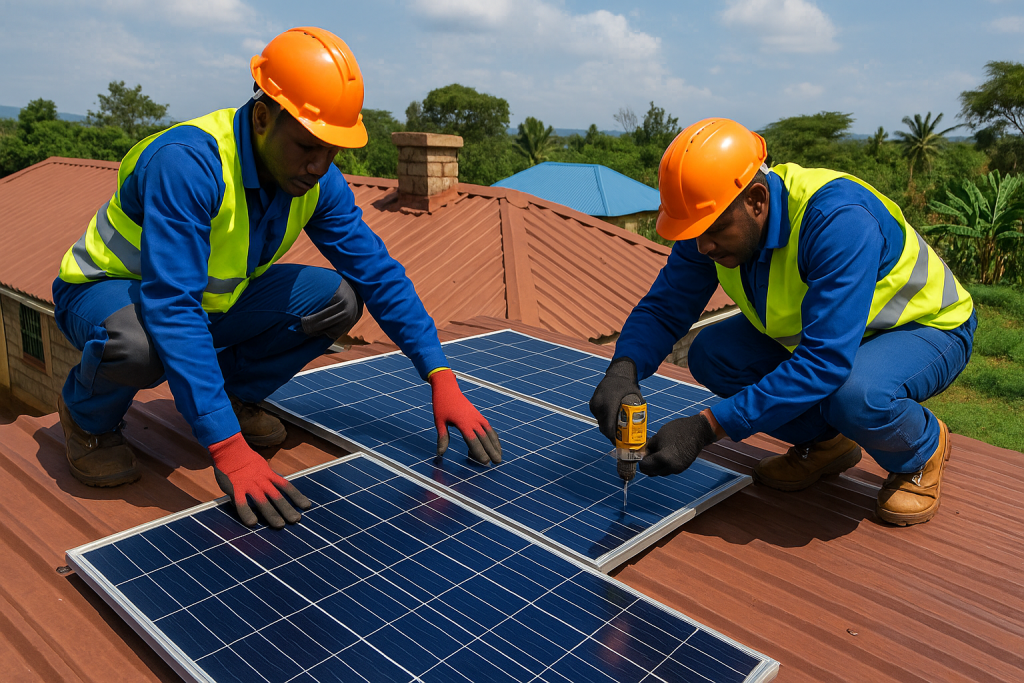
Solar installation kenya
How 3kW Solar Systems Are Powering Kenya's Residential Energy Transformation 15

The maturation of Kenya’s solar installation industry has dramatically simplified the process of adopting 3kW systems. Professional installation companies now offer comprehensive services that handle everything from initial site assessment through system commissioning and ongoing maintenance.

Site assessment and system design:

Professional installers conduct detailed energy audits to right-size 3kW systems for specific household needs. These assessments analyze historical electricity consumption, evaluate roof conditions, assess shading patterns, and identify optimal panel placement strategies.

Custom system designs ensure maximum performance while accommodating unique architectural features and aesthetic preferences. Advanced modeling software predicts system performance and helps homeowners understand expected energy generation patterns throughout the year.

Installation process and timeline:

Modern 3kW solar installations typically complete within 1-3 days, depending on system complexity and roof conditions. Professional teams handle all electrical connections, structural mounting, and safety compliance requirements, ensuring installations meet international standards.

Post-installation commissioning includes comprehensive system testing, performance verification, and homeowner training. Most reputable installers provide detailed monitoring systems that allow homeowners to track energy generation and consumption in real-time.

Grid Integration and Net Metering Opportunities

Solar meter benefits
How 3kW Solar Systems Are Powering Kenya's Residential Energy Transformation 16

Kenya’s evolving regulatory framework increasingly supports residential solar installations through net metering programs and grid interconnection policies. These developments create additional value for 3kW system owners beyond direct energy savings.

Net metering benefits:

Qualified 3kW solar installations can sell excess electricity back to KPLC through net metering arrangements. During peak sunshine hours when solar generation exceeds household consumption, surplus electricity flows into the grid, creating credits that offset evening consumption from the grid.

Net metering effectively turns residential 3kW systems into small power plants, enabling homeowners to achieve negative electricity bills during months with high solar production and low consumption.

Grid stability contributions:

Distributed 3kW solar installations across residential areas improve overall grid stability by reducing peak demand on centralized power plants. This distributed generation model reduces transmission losses and enhances energy security for entire communities.

As more households adopt 3kW systems, neighborhoods experience reduced strain on local grid infrastructure, often resulting in fewer power outages and improved electricity quality for all residents.

Environmental Impact: Kenya’s Green Energy Leadership

Solar vs grid footprint
How 3kW Solar Systems Are Powering Kenya's Residential Energy Transformation 17

The widespread adoption of 3kW solar systems positions Kenya as a continental leader in residential renewable energy adoption. Each installation contributes to national carbon reduction goals while demonstrating the viability of distributed clean energy solutions.

Carbon footprint reduction:

A typical 3kW solar system prevents approximately 3-4 tons of CO2 emissions annually compared to equivalent grid electricity consumption. Over the system’s 25-year lifespan, this translates to 75-100 tons of prevented carbon emissions per household installation.

Collectively, Kenya’s growing fleet of residential 3kW systems prevents thousands of tons of carbon emissions annually, contributing meaningfully to national climate commitments and international environmental goals.

Resource conservation:

Solar energy generation requires no water consumption, unlike thermal power plants that depend on significant water resources for cooling. In water-scarce regions of Kenya, this conservation aspect adds environmental value beyond carbon reduction benefits.

The reduction in demand for fossil fuel imports strengthens Kenya’s energy independence while keeping financial resources within the local economy rather than flowing to international energy suppliers.

Challenges and Solutions in 3kW Solar Adoption

Despite remarkable growth, 3kW solar adoption in Kenya faces several challenges that industry stakeholders continue addressing through innovative solutions and supportive policies.

Initial investment barriers:

The upfront cost of 3kW systems remains significant for many Kenyan households. However, creative financing solutions including solar loans, lease programs, and pay-as-you-go models increasingly make these systems accessible to broader income segments.

Microfinance institutions and banks now offer specialized solar financing products with favorable terms, recognizing the strong repayment potential of households with reduced electricity expenses.

Technical knowledge gaps:

Many potential adopters lack understanding of solar technology, installation requirements, and maintenance needs. Educational initiatives by solar companies, government agencies, and NGOs continue expanding public awareness and technical literacy.

Standardized training programs for installers ensure consistent quality across the industry while building local technical capacity to support growing demand for 3kW systems.

Quality and standardization concerns:

The rapid market growth has attracted some low-quality products and inexperienced installers. Industry associations and regulatory bodies work to establish quality standards and certification programs that protect consumers while supporting reputable businesses.

Warranty programs and performance guarantees from established solar companies provide consumer confidence while encouraging quality installations that deliver promised benefits.

Future Outlook: Scaling Kenya’s Solar Transformation

The trajectory of 3kW solar adoption in Kenya points toward continued rapid growth, driven by improving technology, declining costs, and expanding financing options. Several trends will shape the next phase of residential solar transformation.

Technology advancement impacts:

Emerging solar panel technologies promise higher efficiency and lower costs, making 3kW systems even more attractive to Kenyan households. Battery technology improvements continue extending storage capacity while reducing replacement costs.

Smart home integration capabilities allow 3kW systems to optimize energy usage automatically, maximizing self-consumption and minimizing grid dependence. These intelligent systems learn household patterns and adjust energy distribution for optimal efficiency.

Market expansion opportunities:

Rural electrification programs increasingly incorporate 3kW solar solutions, bringing reliable electricity to areas with limited grid access. These installations often provide the first consistent electricity access for rural households, transforming quality of life and economic opportunities.

Commercial and industrial sectors observe residential solar success, creating demand for larger installations that build upon lessons learned from 3kW residential systems.

Policy and regulatory evolution:

Government support for renewable energy continues strengthening through favorable policies, tax incentives, and streamlined permitting processes. These supportive frameworks accelerate 3kW solar adoption while ensuring quality and safety standards.

Regional cooperation initiatives may create larger markets for solar equipment and expertise, potentially reducing costs and improving access across East Africa.

Making the Switch: Your Path to Solar Independence

Kenyan solar home
How 3kW Solar Systems Are Powering Kenya's Residential Energy Transformation 18

For Kenyan homeowners considering 3kW solar systems, the path forward involves careful planning, reputable partnerships, and realistic expectations about performance and benefits.

Assessment and planning phase:

Begin with a comprehensive energy audit that analyzes your household’s electricity consumption patterns, peak demand periods, and growth projections. This analysis ensures your 3kW system meets current needs while accommodating future requirements.

Evaluate your property’s solar potential by assessing roof condition, orientation, shading patterns, and available space for panel installation. Professional site assessments provide accurate performance predictions and identify any structural modifications needed.

Selecting quality components and installers:

Choose established solar companies with proven track records, comprehensive warranties, and local technical support capabilities. Quality installations from reputable providers ensure long-term performance and peace of mind.

Verify that all system components carry appropriate certifications and warranties. Premium components may cost more initially but typically provide better performance and longer lifespans, improving overall investment returns.

Financial planning and incentives:

Explore available financing options including solar loans, leasing programs, and government incentives that reduce initial investment requirements. Many financing programs offer payment plans that immediately provide positive cash flow through electricity savings.

Calculate total cost of ownership including maintenance, potential component replacements, and financing costs to understand true investment returns over the system’s lifetime.

Conclusion: Powering Kenya’s Energy Future

The 3kW solar revolution transforming Kenyan homes represents more than just an energy shift – it embodies a movement toward energy independence, economic empowerment, and environmental responsibility. As thousands of households experience the benefits of clean, affordable solar electricity, the momentum continues building toward a more sustainable energy future.

The success of 3kW residential installations demonstrates that renewable energy solutions can meet real-world needs while delivering tangible benefits to ordinary families. This grassroots transformation creates the foundation for Kenya’s broader transition to clean energy across all sectors.

For homeowners still dependent on expensive grid electricity, the question isn’t whether to adopt solar energy, but when to make the switch. With proven technology, supportive financing options, and experienced installation partners available, the barriers to solar adoption continue falling while the benefits become increasingly compelling.

Kenya’s residential energy transformation, powered by 3kW solar systems, illuminates a path toward energy security, economic prosperity, and environmental sustainability that serves as a model for the entire continent. The future is bright, and it’s powered by the sun.


Ready to join Kenya’s solar revolution? Contact our certified solar experts today for a free consultation and custom 3kW system design tailored to your home’s specific needs. Take the first step toward energy independence and start saving on your electricity bills immediately.

Solar charge controller types pwm vs mppt performance 1750040925

Solar Charge Controller Types: PWM Vs MPPT Performance

Comparing Solar Charge Controller Types: Understanding the Differences Between PWM and MPPT Performance

When it comes to solar energy systems, understanding how to maximize your power generation is crucial. One key component in this setup is the solar charge controller. The two primary types of solar charge controllers are Pulse Width Modulation (PWM) and Maximum Power Point Tracking (MPPT). Each type has its strengths and weaknesses, making them suitable for different applications. Let’s break down their performance characteristics and help you decide which one works best for your needs.

PWM Solar Charge Controllers

PWM controllers are often the more straightforward option when considering solar charge controllers. They are designed to modulate the charging current from the solar panels to the battery, ensuring that the batteries are not overcharged. Here’s what you need to know about their performance:

  • Efficiency: PWM controllers generally operate at 70-80% efficiency. They work best when the solar panel voltage is similar to the battery voltage.
  • Cost: These controllers tend to be less expensive than MPPT units, making them a great option for budget-conscious users.
  • Simplicity: PWM charge controllers are easy to install and use, often requiring less complex wiring and setup, which is suitable for beginners.
  • Best Applications: Ideal for smaller solar systems or setups where the electricity demand is low, such as in RVs or boats.

MPPT Solar Charge Controllers

On the other hand, MPPT controllers are tailored for maximizing the energy output from your solar panels. They are more sophisticated and require more complicated internal mechanisms, but the benefits are significant:

  • Efficiency: MPPT controllers can achieve efficiencies of 90-98%. This high efficiency translates into more energy harvested from your solar panels.
  • Voltage Conversion: Unlike PWM, MPPT controllers can adjust voltage levels, allowing you to use higher voltage solar panels with lower voltage batteries. This is crucial for larger solar installations.
  • Performance in Low Sunlight: MPPT controllers perform better in partial shade conditions or on cloudy days, capturing more energy than PWM controllers would.
  • Higher Power Capabilities: They are suitable for larger systems, such as residential setups or commercial solar power plants, where maximizing energy output is essential.

Key Differences in Performance

Understanding the differences between these two charge controller types can guide your decision-making process:

  • Energy Harvesting: If your primary goal is to extract every bit of energy from your solar panels, MPPT is the clear winner.
  • Cost-Effectiveness: For smaller installations or projects where budgets are tight, PWM might be more advantageous.
  • Ease of Use: If you are looking for a hassle-free experience, PWM controllers offer a straightforward solution.
  • System Complexity: MPPT systems can be more complex and may require professional installation, while PWM systems are user-friendly.

Choosing the Right Solar Charge Controller

In order to select the right solar charge controller for your solar energy system, consider these factors:

  • System Size: Larger systems could benefit from the advanced features and efficiency of MPPT controllers.
  • Budget: Evaluate if you can stretch your budget to afford an MPPT unit, as the long-term energy savings may justify the initial cost.
  • Solar Panel Configuration: If you plan on using high voltage solar panels, MPPT is the way to go.
  • Usage Scenario: For casual users with lighter energy needs, PWM controllers will likely suffice.

Ultimately, both PWM and MPPT controllers have their place in solar energy systems. The choice between them should reflect your specific needs and goals. By carefully considering the performance characteristics discussed, you can make an informed decision that maximizes your solar energy investment.

Key Factors Influencing the Efficiency of Solar Charge Controllers in Various Applications

Solar charge controllers play a vital role in optimizing the efficiency of solar power systems. Their primary function is to regulate the voltage and current coming from the solar panels to the batteries, ensuring that energy storage is safe and effective. Understanding the factors that influence the efficiency of these controllers can significantly enhance solar energy utilization in different applications.

Type of Charge Controller

The type of charge controller you choose can dramatically affect performance. There are primarily two types on the market: PWM (Pulse Width Modulation) and MPPT (Maximum Power Point Tracking). Each type has distinct advantages:

  • PWM Controllers: These systems are simpler and less expensive. They work by reducing the voltage to the battery’s level, allowing for efficient charging. While effective for smaller systems, they may not make the most of available solar energy in low-light conditions.
  • MPPT Controllers: These advanced systems adjust to changing conditions to maximize energy transfer. They can boost the output from the panels, especially in cloudy or less than ideal conditions, making them more efficient overall, particularly for larger solar setups.

Environmental Conditions

The environment in which solar panels operate can greatly impact the efficiency of charge controllers. Key factors include:

  • Temperature: High temperatures can decrease the efficiency of solar panels and charge controllers. Most systems have optimal operating temperatures. When temperatures exceed these, performance can suffer.
  • Shading: Any shading on solar panels can drastically reduce energy output. If only a portion of the panel is shaded, the entire panel can be affected due to the series connection in most installations.
  • Location: The angle and orientation of solar panels will determine how much solar energy they capture. A properly angled installation will capture maximum sunlight throughout the day, enhancing overall efficiency.

Battery Compatibility

The type of battery connected to your solar charge controller is another critical factor influencing efficiency. Here are some of the common battery types:

  • Flooded Lead Acid: These batteries require regular maintenance, but they are reliable and can withstand overcharging. The efficiency of charge controllers with these batteries is generally good.
  • AGM (Absorbed Glass Mat): AGM batteries are more durable and require less maintenance, often providing better performance in conjunction with modern charge controllers.
  • Lithium-ion: Increasingly popular for their long life and efficiency, lithium-ion batteries are best paired with MPPT controllers for optimal performance, providing faster charging and consistent energy output.

System Size and Configuration

The overall design and size of your solar system play a significant role in how effectively charge controllers operate. Consider factors such as:

  • Panel Capacity: Larger systems often necessitate more sophisticated charge controllers like MPPT to handle the increased energy flow.
  • Wiring Configuration: The type and length of wiring can impact the voltage drop. Minimizing wire lengths and using appropriate gauge wire can improve overall efficiency.
  • Load Management: Understanding the energy requirements of your appliances and system setup can help optimize how energy is distributed from your charge controller to your batteries.

Quality and Brand of Charge Controller

The quality of the charge controller itself is paramount. Well-known brands often incorporate advanced technology, provide better warranties, and have support resources. Investing in a reliable brand can make a significant difference in performance, especially under challenging environmental conditions. Look for features like temperature compensation, intelligent load management, and built-in safety mechanisms to enhance efficiency.

Ultimately, the efficiency of solar charge controllers in various applications can be influenced by multiple factors, including the type of charge controller, environmental conditions, battery types, system configuration, and overall quality. Being informed about these elements can help you maximize the performance of your solar energy systems.

Conclusion

When evaluating solar charge controllers, understanding the differences between PWM and MPPT performance is essential for maximizing your solar energy investment. PWM (Pulse Width Modulation) controllers are often more cost-effective and simpler in design, making them a suitable choice for smaller systems or in scenarios where budget constraints are a concern. They work best in applications where solar panels and batteries are closely matched in voltage.

On the other hand, MPPT (Maximum Power Point Tracking) controllers shine in larger installations or where solar panels are exposed to varying sunlight conditions. They extract the maximum amount of energy from your solar system by constantly adjusting to the optimal operating voltage, thus enhancing overall efficiency, especially in systems where the panel voltage exceeds battery voltage.

Key factors influencing the efficiency of these controllers include system size, battery type, and installation conditions. For instance, if you have a larger system with multiple panels or live in an area with fluctuating sunlight, investing in an MPPT controller can yield significant long-term benefits. Alternatively, for smaller or less demanding setups, PWM controllers often provide sufficient performance without the higher upfront costs.

Ultimately, choosing between PWM and MPPT will depend on your specific needs, budget, and future expansion plans. By understanding these nuances, you can select a solar charge controller that not only fits your current requirements but also maximizes efficiency and energy output as your solar installation evolves. This informed decision can lead to a more sustainable and cost-effective energy solution in the long run.

Livestock applications solarpowered barn equipment 1749997717

Livestock Applications: Solar-Powered Barn Equipment

Benefits of Solar-Powered Barn Equipment in Livestock Operations

In today’s world, the focus on sustainable farming practices is more critical than ever. Solar-powered barn equipment is enhancing livestock operations in various ways. By adopting solar energy, farmers not only reduce their carbon footprint but also improve their operational efficiency. Here’s how solar-powered equipment can benefit livestock operations.

Energy Savings

One of the most significant advantages of using solar-powered barn equipment is the reduction in energy costs. Traditional energy sources can be expensive, especially during peak seasons. Solar panels generate free energy once installed, allowing farmers to redirect their funds toward other vital aspects of their operations. As a result, investing in solar technology leads to substantial long-term savings.

Improved Animal Welfare

The comfort of livestock is paramount for any successful farming operation. Solar-powered heating systems can provide a stable and comfortable temperature in barns, regardless of the weather outside. This creates a more pleasant environment for animals, leading to better health and productivity. Additionally, solar-powered fans can help circulate air effectively, preventing discomfort during hot days and ensuring proper ventilation.

Versatility of Equipment

Solar power can be applied to various barn equipment, making it a versatile choice for livestock operations. Here are some examples:

  • Watering Systems: Solar-powered pumps can provide fresh water even in remote locations, ensuring livestock have access to hydration at all times.
  • Feeding Equipment: Automated feeding systems powered by solar energy can help streamline the feeding process, making it easier to manage large herds.
  • Lighting: Solar-powered LED lights can illuminate barns during the night, allowing farmers to work efficiently even after sunset.
  • Heating Equipment: Solar heaters can maintain optimal temperatures in barns during colder months, ensuring the comfort of your livestock.

Environmental Impact

Using solar-powered barn equipment plays a significant role in reducing greenhouse gas emissions. By harnessing the sun’s energy, farmers can diminish their reliance on fossil fuels. This not only aids in preserving the environment but also enhances the farm’s sustainability. Many consumers are increasingly eco-conscious, and promoting a green farming operation can further bolster your brand.

Increased Independence from Utility Providers

Solar power allows farmers to become less dependent on external energy sources. With solar panels generating electricity, farmers are less vulnerable to fluctuations in energy prices and can avoid power outages that could disrupt their operations. This autonomy in energy production is vital for maintaining productivity in livestock operations, particularly during critical feeding or breeding periods.

Government Incentives and Reduced Regulations

Many governments offer incentives for adopting renewable energy sources like solar power. These incentives may come in the form of grants, tax credits, or rebates, making it more affordable to transition to solar-powered barn equipment. Additionally, solar energy projects often face fewer regulatory hurdles than traditional energy projects, further simplifying the installation process.

Long-Term Investment

Investing in solar-powered barn equipment is not a short-term solution; it is a long-term investment in the future of your farming operation. While the initial setup cost may seem high, the savings in energy bills and maintenance over time will outweigh those upfront costs. Plus, advances in solar technology are continuously improving efficiency and affordability, making now a great time to consider solar solutions.

Solar-powered barn equipment offers numerous benefits for livestock operations, from energy savings and improved animal welfare to versatility and environmental impact. By embracing this technology, farmers position themselves for a sustainable, efficient, and profitable future. If you are considering the integration of solar energy into your livestock operations, now is the time to take the leap and reap all these fantastic benefits.

Key Considerations for Implementing Solar Technologies in Farming

As farming continues to evolve, many farmers are exploring sustainable energy options to enhance productivity and reduce costs. One of the most promising solutions is solar technology. Implementing solar energy systems in farming can seem daunting, but with the right approach, it can lead to significant benefits. Here are key considerations to keep in mind when looking to integrate solar technologies into your agricultural practices.

Understanding Energy Needs

Before diving into solar solutions, it’s crucial to assess your energy requirements. Consider the following:

  • Current Usage: Review your current energy consumption related to equipment, irrigation systems, and heating.
  • Forecasted Needs: Anticipate future energy needs as your farming operations expand.
  • Peak Usage Times: Identify when your energy needs are highest, which will guide the size and capacity of your solar system.

Evaluating Location and Space

The location of your farm plays a significant role in the effectiveness of solar technologies. Look into:

  • Sunlight Availability: Ensure the site has optimal sun exposure for maximum energy production.
  • Space for Installation: Determine how much space you can allocate for solar panels without disrupting your farming operations.
  • Orientation and Angle: Panels should be positioned at the right angle to capture the most sunlight throughout the day.

Choosing the Right Solar Technology

Different solar technologies can cater to various agricultural needs. Here are common types:

  • Solar Photovoltaic (PV) Panels: Great for generating electricity to power barns, equipment, or irrigation systems.
  • Solar Thermal Systems: Useful for heating water or air for livestock or greenhouses.
  • Building-Integrated Photovoltaics: These panels can be installed on roofs or integrated into building materials, saving space.

Budgeting and Financial Incentives

Investing in solar technology requires careful financial planning. Consider the following:

  • Initial Costs: Understand the upfront investment for solar panels and installation.
  • Long-term Savings: Calculate the potential reduction in energy bills over time.
  • Incentives and Rebates: Research local, state, and federal incentives that can help reduce your overall costs.

Regulatory Compliance

Before proceeding with solar installations, ensure you are compliant with all local regulations. This means:

  • Permits: Obtain the necessary permits for installation, which vary by location.
  • Zoning Laws: Check local zoning laws to ensure your solar setup meets all requirements.
  • Interconnection Rules: Understand the rules for connecting your solar system to the grid if you plan to do so.

Maintenance and Upkeep

After installation, maintaining your solar system is essential for long-term efficiency. Keep in mind:

  • Regular Inspections: Schedule routine inspections to ensure everything is functioning correctly.
  • Cleaning: Keep the solar panels clean to prevent dirt and debris from blocking sunlight.
  • Monitoring Systems: Use monitoring systems to track energy production and identify any issues promptly.

Community and Support Resources

Engage with local agricultural or renewable energy communities. These connections can offer:

  • Knowledge Sharing: Gain insights from others who have successfully implemented solar technologies.
  • Workshops and Training: Look for local workshops that can provide hands-on training.
  • Networking Opportunities: Connect with professionals who can assist with equipment, financing, or installations.

Implementing solar technologies in farming is an exciting prospect that can lead to a more sustainable future. By considering your energy needs, evaluating your space, and being mindful of finances, regulations, and maintenance, you can make informed decisions that benefit both your farm and the environment.

Conclusion

Embracing solar-powered barn equipment can transform livestock operations in remarkable ways. By harnessing the power of the sun, farmers can increase their efficiency and reduce operational costs while also minimizing their environmental footprint. The long-term savings on energy bills combined with the potential for energy independence means more resources can be allocated to enhancing animal welfare and improving farm productivity.

However, transitioning to solar technology is not without its challenges. It requires careful consideration of factors such as initial investment, available space for solar panels, and the specific energy needs of your barn. Assessing these elements early on can help ensure a smooth implementation that meets both your operational objectives and sustainability goals.

As you evaluate the potential of solar-powered technologies, it’s beneficial to consult with experts in solar energy systems and agricultural practices. Such insights can guide you in selecting the most appropriate equipment while considering financing options, incentives, and local regulations that may benefit your investment.

Ultimately, integrating solar-powered barn equipment into your livestock operations represents an exciting opportunity. It positions your farm at the forefront of sustainable farming practices, paving the way for a greener future. By making informed choices, you can enhance your farm’s productivity and contribute positively to the environment, ensuring that your operation not only thrives today but is also prepared for future challenges in an ever-evolving agricultural landscape.

Heat management systems for solar installations 1749954508

Heat Management Systems For Solar Installations

The Role of Heat Management Systems in Enhancing the Efficiency of Solar Installations

Heat management systems play a critical role in optimizing the performance and lifespan of solar installations. These systems help maintain optimal operating temperatures in solar panels, which can significantly enhance energy efficiency. As the demand for renewable energy solutions continues to grow, understanding how heat management systems work is vital for both residential and commercial solar users.

Solar panels convert sunlight into electricity through photovoltaic cells. However, as temperatures rise, the efficiency of these cells can drop. Excess heat can lead to a phenomenon known as temperature coefficient, where the efficiency decreases with increasing temperature. Therefore, effectively managing heat in solar installations is essential to maximize energy output.

One of the primary ways heat management systems work is through cooling mechanisms. These mechanisms typically include:

  • Passive Cooling: This method utilizes natural airflow and heat convection to help lower the temperature of the solar panels. By designing solar arrays with adequate spacing and orientation, airflow can naturally cool the panels.
  • Active Cooling: Active cooling systems often involve the use of water or refrigerant to absorb excess heat from the solar panels. This method requires more energy but can significantly enhance efficiency, particularly in hot climates.
  • Reflective Coatings: Solar panels can be treated with reflective surfaces to reduce heat absorption. These coatings can mitigate temperature rises, allowing solar panels to work more efficiently even during hot summer days.

Additionally, heat management systems can include thermal regulation through energy storage solutions. By integrating battery storage with solar panels, energy produced during peak sunlight hours can be stored for later use. This setup helps to balance out energy production and consumption, maintaining a more stable temperature during non-peak hours.

The effectiveness of a heat management system can also depend on the installation’s geographical location. In areas with high ambient temperatures, more advanced cooling systems may be required. For instance, in desert regions, the efficiency of solar panel systems employing active cooling methods can increase significantly compared to those relying solely on passive cooling.

Moreover, regular maintenance of solar panels is crucial for heat management. Dust, dirt, and debris can accumulate on solar panels, obstructing sunlight and trapping heat. Performing routine cleaning ensures that the surface remains efficient, allowing solar panels to absorb sunlight effectively while keeping their temperature in check.

Another important aspect to consider is the materials used in solar panels. Many manufacturers are now focusing on developing materials that are better at dissipating heat. Advanced materials like those embedded with phase change materials (PCMs) help absorb excess heat and release it slowly, enhancing performance.

Investing in quality heat management systems not only improves energy efficiency but also enhances the lifespan of solar installations. When heat is effectively managed, there is less risk of thermal stress and damage to solar panels. This leads to fewer maintenance needs and prolongs the lifetime of the equipment, offering better long-term financial returns.

Moreover, as the technology behind solar installations continues to evolve, the future of heat management systems looks promising. Innovations in nano-coatings and micro-channel cooling techniques are paving the way for even more efficient systems. With these advancements, solar installations can expect even greater efficiency boosts in the years to come.

As a homeowner or business considering a solar installation, it’s crucial to consult with professionals about your heat management options. By understanding the importance of heat management, you can better ensure your investment yields maximum energy output while minimizing costs and maintenance.

Choosing the right combination of heat management systems tailored to your specific needs can boost your solar energy production significantly. Engaging with experts in the field can help you navigate the various options available, allowing you to make informed decisions that cater to your energy efficiency goals.

Innovative Technologies for Effective Heat Management in Solar Energy Applications

Heat management is a critical factor in solar energy applications that can greatly influence efficiency and longevity. As solar installations become increasingly popular, the need for innovative technologies to control heat is more important than ever. Proper heat management not only increases the performance of solar panels but also ensures safer and more reliable energy production.

One effective approach to managing heat in solar installations is through the use of advanced materials. These materials can enhance thermal regulation, helping to maintain optimal operating temperatures. For instance, coatings with high reflectivity can reduce the amount of heat absorbed by solar panels. This helps maintain their efficiency, especially during peak sunlight hours.

Additionally, implementing phase change materials (PCMs) offers a novel solution for heat management. PCMs absorb and release thermal energy during phase transitions, effectively stabilizing the temperature of solar panels. This means that in hotter conditions, the PCM can absorb excess heat, while in cooler temperatures, it can release stored heat back to the panels. This regulatory mechanism leads to consistent performance and can prolong the life of solar cells.

Advanced Cooling Technologies

Cooling technologies play a pivotal role in effective heat management within solar installations. Here are several methods that have been developed:

  • Active Cooling Systems: These systems use water or air to cool down the solar panels. By circulating coolant through the panels, they can actively maintain a lower temperature, allowing for optimal performance even in extreme conditions.
  • Passive Cooling Designs: This method relies on airflow and heat dissipation without additional energy input. For example, structures that increase the space between solar panels can enhance airflow, allowing for more efficient cooling through natural convection.
  • Hybrid Systems: Combining both active and passive cooling methods can yield superior results. For instance, using passive techniques during mild conditions and transitioning to active cooling during peak heat can maximize efficiency.

Thermal Storage Innovations

Another innovative approach involves thermal energy storage systems. These systems can store excess heat generated from solar installations during the day, which can then be used when needed. This not only optimizes energy usage but also helps to manage heat effectively. By harnessing stored thermal energy, users can reduce reliance on external energy sources during off-peak hours.

Moreover, integrating thermal energy storage with photovoltaic systems allows for a smoother transition from production to consumption. This is particularly useful in areas with inconsistent sunlight, ensuring that energy availability remains steady regardless of solar generation fluctuations.

Smart Monitoring Systems

The utilization of smart monitoring systems is also an innovative measure for effective heat management. By employing sensors that track temperature variations and energy output, these systems allow for real-time adjustments to be made. Should the temperature exceed optimal levels, adjustments can be enacted automatically to cool down the panels, thus maximizing efficiency.

This technology does not just help in controlling heat; it also provides valuable data for ongoing performance assessments. Users can gain insights into how well their solar installations perform under various conditions, facilitating informed decisions for future enhancements.

Regular Maintenance and Upkeep

Regardless of the innovative technologies employed, regular maintenance remains a vital component of effective heat management. Ensuring that solar panels are clean and free from debris can significantly enhance their performance. Additionally, routine inspections can detect early signs of wear and tear that might affect thermal efficiency.

  • Check for proper alignment and installation.
  • Ensure all cooling systems are operating effectively.
  • Clean panels periodically to enhance sunlight absorption.

By prioritizing heat management and employing innovative technologies, owners of solar installations can improve energy efficiency and ensure the longevity of their systems. These advancements not only contribute to enhanced performance but also encourage the further development of sustainable energy solutions worldwide. The ongoing evolution in heat management technologies will continue to open doors for better performance in solar energy, enabling a future marked by increased productivity and reduced environmental impact.

Conclusion

The importance of heat management systems in boosting the efficiency of solar installations cannot be overstated. By regulating temperatures within solar panels, these systems significantly enhance energy output. High temperatures can lead to a drop in efficiency, and effective heat management helps maintain optimal operating conditions, which translates into greater energy production.

Innovative technologies are making strides in this field, from passive cooling techniques to advanced active heat management systems that utilize fans and heat exchangers. These advancements not only improve performance but also extend the lifespan of solar panels, making them a worthwhile investment. For instance, integrating phase change materials and reflective coatings can considerably lower surface temperatures, showcasing the potential of emerging solutions in optimizing solar energy collection.

As the demand for renewable energy continues to grow, focusing on heat management systems will be essential for maximizing solar installations’ benefits. By understanding and investing in the right technologies, you can ensure that your solar energy system operates at peak performance. This not only leads to better energy outputs but also supports sustainable energy practices. Adopting these innovative solutions will pave the way for more efficient and reliable solar energy systems, ultimately contributing to a greener future. Embracing these heat management technologies is a proactive step you can take to ensure that your solar investments yield the results you desire while also being environmentally responsible.

Custom solar array shapes for architectural integration 1749911318

Custom Solar Array Shapes For Architectural Integration

Innovative Custom Solar Array Shapes for Enhanced Architectural Aesthetics

As the demand for renewable energy sources continues to grow, the integration of solar technology into architecture has become increasingly popular. One of the most exciting areas of this trend is the development of custom solar array shapes designed specifically for architectural integration. These innovative designs not only make buildings more energy-efficient but also enhance their visual appeal. Here, we explore the unique benefits and impressive features that custom solar array shapes bring to modern architecture.

Custom solar array shapes are no longer limited to traditional flat panels. Architects and designers are now using creativity to craft solar solutions that complement the overall design of a building. This approach allows solar panels to become a seamless part of the structure, instead of an afterthought. Here are some key points about the integration of solar arrays into architectural designs:

  • Enhanced Aesthetic Appeal: Custom shapes add a unique character to buildings. Whether it’s a series of angled panels mimicking the roofline or a wave-like arrangement that flows with the structure, innovative designs can significantly increase the attractiveness of a building.
  • Maximized Energy Efficiency: When solar arrays are designed to fit the specific contours of a building, they can capture more sunlight. This can lead to greater energy production and reduced reliance on traditional energy sources.
  • Unique Branding Opportunities: Custom-shaped solar arrays allow businesses to showcase their commitment to sustainability while also promoting their brand. Shapes that reflect a company’s logo or ethos can serve as eye-catching marketing tools.
  • Adaptive Design Solutions: Custom designs can cater to various architectural styles, from modern glass structures to traditional brick buildings. This flexibility ensures that energy solutions do not compromise the integrity of the building style.

One of the most notable examples of custom solar array shapes can be found in urban environments where space is limited. Buildings are incorporating solar arrays on balconies, awnings, or even vertical walls, turning underutilized spaces into power-generating assets. By utilizing these unconventional areas, architects can maximize energy production without sacrificing valuable square footage.

Moreover, integrating solar solutions at various angles enhances their functionality. Panels can be tilted to follow the sun’s path, achieving optimal solar energy absorption throughout the day. This adaptability makes custom array shapes highly effective in various climates and geographical locations.

The use of custom solar array designs also aligns with the growing trend of sustainability in architecture. Many architects are eager to adopt environmentally friendly practices, and aesthetically pleasing solar solutions help motivate others in the industry. These arrays contribute positively to the building’s Environmental Performance Ratings and can even qualify for green building certifications, which is a tremendous selling point for developers and building owners alike.

The materials used in creating these custom solutions also play a vital role in their success. Using lightweight materials such as flexible solar panels allows for effortless integration. These materials can be molded into different shapes and forms, making them ideal for unique architectural features without adding undue weight to the structure. For instance, solar shingles can mimic traditional roofing materials, providing both aesthetics and efficiency.

As we look towards the future, the potential for custom solar array shapes is enormous. Innovative technologies, such as building-integrated photovoltaics (BIPV), will continue to advance, allowing even more creative freedom for architects. As these advancements progress, we can expect to see solar installations that not only generate clean energy but also redefine the skyline of our cities.

Investing in custom solar array shapes represents a significant step towards a sustainable future. By prioritizing not only energy efficiency but also aesthetics, architects and designers can create harmonious designs that showcase renewable energy as a fundamental aspect of modern architecture. The integration of these custom solar solutions is transforming how we think about buildings, encouraging a shift towards environmentally responsible designs that do not compromise style for sustainability.

Embracing custom solar array shapes can transform not only buildings but the way communities view renewable energy. By harmonizing energy solutions with architectural beauty, we create a brighter, more sustainable future for generations to come.

The Role of Solar Arrays in Sustainable Building Designs

In today’s world, where climate change and environmental sustainability are at the forefront of discussions, integrating renewable energy sources into buildings is essential. One of the most effective ways to achieve this is by utilizing solar arrays. These innovative solar power systems are not just about generating electricity; they play a crucial role in the design and sustainability of modern architecture.

Solar arrays harness sunlight and convert it into usable energy, significantly reducing a building’s reliance on traditional energy sources. This transition to solar energy is beneficial for both the environment and the building’s occupants. Here’s how solar arrays contribute to sustainable building designs:

1. Energy Efficiency

By installing solar arrays, buildings can drastically decrease their energy consumption from the grid. A well-placed solar array can provide enough energy to power various electrical systems, reducing reliance on fossil fuels. Moreover, with the potential for energy storage, building occupants can use solar power even during cloudy days or at night, enhancing overall energy efficiency.

2. Architectural Integration

Modern architectural designs increasingly incorporate solar arrays in aesthetically pleasing ways. Instead of treating solar panels as mere add-ons, designers are creatively integrating them into the structure. This can include:

  • Solar Roof Tiles: Sleek and visually appealing, these tiles serve dual purposes as roofing and energy generators.
  • Building Integrated Photovoltaics (BIPV): These systems blend seamlessly into walls or facades, allowing for innovative designs while maximizing energy collection.
  • Canopies and Pergolas: When designed creatively, outdoor spaces can incorporate solar arrays without compromising aesthetics or functionality.

3. Reducing Carbon Footprint

One of the most significant advantages of solar arrays is their ability to reduce a building’s carbon footprint. By relying on renewable energy, buildings can contribute to cleaner air and lower greenhouse gas emissions. This aligns with global sustainability goals, advancing the fight against climate change.

4. Financial Benefits

Integrating solar arrays into building designs not only promotes sustainability but also offers substantial financial benefits. Here are a few ways solar systems can save money:

  • Tax Incentives: Many regions provide tax credits and rebates for solar energy installation, making it more financially viable.
  • Reduced Energy Bills: A significant reduction in utility costs can be realized, as solar energy can cover a large portion of a building’s energy needs.
  • Increased Property Value: Environmentally friendly buildings often have higher property values and appeal to buyers looking for sustainable options.

5. Enhancing Occupant Well-Being

Buildings designed with solar arrays not only benefit the environment but also improve the quality of life for occupants. Natural light, harnessed by strategic solar panel placement, can enhance mood and productivity. Furthermore, reducing reliance on fossil fuels leads to cleaner air, promoting better health for everyone in the building.

6. Resilience and Adaptability

As energy demands continue to grow, buildings equipped with solar arrays offer resilience against fluctuating energy prices and supply uncertainties. The ability to generate and store energy allows buildings to remain functional during grid outages or peak energy-demand periods, providing a reliable energy source.

7. Community Impact

Solar arrays contribute to the broader community’s sustainability goals. When several buildings in a neighborhood incorporate solar energy, the cumulative impact on local grid demands can be substantial. This shift not only benefits individual buildings but can positively affect the area’s overall energy consumption and environmental quality.

The incorporation of solar arrays into building designs is no longer just a trend; it is a pivotal aspect of sustainable architecture. By focusing on energy efficiency, reducing carbon footprints, and enhancing occupant well-being, solar arrays are transforming how we think about and utilize buildings. As we move forward, embracing this innovative technology will play an essential role in creating a more sustainable future for all.

Conclusion

Embracing custom solar array shapes can represent a significant shift in how we perceive and integrate renewable energy within architectural designs. These innovative structures not only enhance the aesthetic appeal of buildings but also serve a vital function in promoting sustainability. By transforming the often-overlooked solar panel into a fashionable element of a building’s design, architects can create spaces that resonate with both beauty and purpose.

As the demand for sustainable building solutions grows, the role of solar arrays becomes increasingly critical. They offer a powerful way to harness renewable energy while reducing a building’s carbon footprint. Custom shapes can be tailored to fit seamlessly with the overall architectural vision, creating unique environments that inspire and resonate with inhabitants and their communities. This level of integration illustrates how technology and design can work hand in hand to support a greener future.

Furthermore, using solar arrays as artistic features can encourage public interest in renewable energy. When these arrays are thoughtfully designed, they have the potential to spark conversations around sustainability, making energy-efficient practices more relatable and appealing to the general public. This change in perception could motivate more building projects to incorporate solar technology, leading to a broader movement towards environmentally responsible architecture.

Ultimately, the future of building design lies in the harmonious blend of function and form. Custom solar array shapes provide an incredible opportunity to rethink energy solutions, making sustainability a desirable aspect of our urban landscapes. As we continue to innovate, the possibilities for architectural integration will only expand, paving the way for a brighter, more sustainable future.

Solar panel cleaning products environmental considerations 1749868111

Solar Panel Cleaning Products: Environmental Considerations

The Impact of Solar Panel Cleaning Products on Environmental Health

When it comes to harnessing renewable energy, solar panels play a crucial role. They capture sunlight and convert it into energy, which is great for the environment. However, to keep them working efficiently, regular cleaning is essential. This is where solar panel cleaning products come in. While they help maintain peak performance, it’s important to consider their environmental impact. Understanding how these products affect our planet can guide you in making informed choices.

The cleaning process of solar panels usually involves a variety of chemicals and equipment. Many conventional cleaning products contain harsh substances that could potentially harm not only your panels but also the surrounding environment. Therefore, when selecting solar panel cleaning products, it’s crucial to prioritize options that are eco-friendly. Here are some important factors to consider:

1. Chemical Ingredients

  • Look for biodegradable ingredients that break down easily in the environment.
  • Avoid products containing phosphates, sulfates, and other harmful chemicals that can contaminate water sources.

By choosing cleaning products with safe, natural ingredients, you can minimize the chances of pollution while still achieving spotless panels.

2. Packaging

  • Opt for products that come in recyclable or reusable packaging.
  • Consider concentrated formulas, which often use less plastic and reduce transportation emissions.

Simple changes in packaging choices can lead to significant environmental benefits, especially when these products are used by millions of households and businesses.

3. Water Usage

  • Some cleaning methods require more water than others. Determine methods that minimize water consumption.
  • Use water reclaim systems to recycle cleaning water and reduce waste.

Water conservation is key in combating climate change, and efficient cleaning techniques will ensure you’re protecting this precious resource.

4. Local Regulations

  • Be aware of any local regulations regarding cleaning products and waste disposal.
  • Choose products that comply with these regulations to avoid legal issues.

Being compliant with local laws not only protects your community but also promotes sustainable practices. You play a part in creating a cleaner environment.

Moreover, the act of cleaning itself can lead to an indirect negative impact on local wildlife and ecosystems. Poor cleaning practices may cause runoff, where contaminated water flows into local waterways, harming aquatic life. Thus, using eco-friendly solar panel cleaning products is one step in ensuring that the solar energy industry remains sustainable.

In recent years, there has been a growing market for green cleaning products specifically designed for solar panels. These products appeal to environmentally conscious consumers who recognize the importance of product choices in sustainability. By investing in these products, you not only keep your solar panels functioning effectively but also support manufacturers dedicated to reducing ecological footprints.

Another important consideration involves the cleaning technique itself. Using high-pressure washers or harsh scrubbing tools can scratch or damage the surface of solar panels. This damages their efficiency and lifespan, meaning more waste down the line. Gentle cleaning methods do not only help maintain the panels but also ensure that community resources, such as water, are used responsibly.

In addition to using environmentally friendly cleaning products, consider incorporating eco-conscious habits into your routine. For example:

  • Clean your panels during the early morning or late afternoon to avoid water evaporation and streaking.
  • Inspect your solar panels regularly to minimize the frequency of deep cleaning.
  • Employ local cleaning services that specialize in eco-friendly practices if you are not comfortable doing it yourself.

As more people switch to solar energy, awareness of the environmental impact of cleaning products must increase. Making the right choices on solar panel cleaning products can significantly reduce harmful effects on environmental health. It’s a reminder that our actions matter, and we have the power to choose products that support a healthier planet.

Being thoughtful about the solar panel cleaning products you use not only maintains your energy efficiency but also protects environmental health. By prioritizing eco-friendly options, you contribute to a sustainable future and create a positive ripple effect in your community.

Best Practices for Eco-Friendly Solar Panel Maintenance

Keeping solar panels in top shape is crucial for their efficiency and lifespan. An eco-friendly approach not only benefits the environment but also enhances the performance of your solar energy system. Here are some best practices for maintaining your solar panels in a sustainable way.

Regular Visual Inspections

Start by visually checking your solar panels for any signs of wear or damage. Look for:

  • Cracks or chips in the glass
  • Loose connections or wiring
  • Accumulation of dirt, dust, or debris

Perform these inspections at least twice a year or after significant weather events. This early detection can prevent bigger issues down the road.

Gentle Cleaning Techniques

Cleaning your solar panels is essential for optimal performance, especially if you live in an area with heavy dust or pollen. Here are some eco-friendly cleaning tips:

  • Use Soft Brushes: Choose a soft-bristled brush to avoid scratching the panels’ surface.
  • Clean with Water: Use distilled water to prevent mineral deposits that tap water may leave behind.
  • Choose Non-Toxic Soaps: If needed, select biodegradable soaps specifically designed for solar panels.
  • Avoid Harsh Chemicals: Stay away from abrasive cleaners or solvents that can damage the panels.

Cleaning during early morning or late evening is best since direct sunlight can cause water spots to form quickly.

Mind the Surroundings

Take note of what’s around your solar panels. Overhanging trees can drop leaves, sap, or bird droppings, all of which can obstruct sunlight. Regularly trim nearby branches and keep the area clear of debris to naturally enhance the efficiency of your system.

Sustainable Products for Cleaning

When it comes to investing in cleaning products, prioritize those that are environmentally friendly. Some points to consider include:

  • Check for biodegradable ingredients that won’t harm local flora and fauna.
  • Look for products that offer refill options to reduce plastic waste.
  • Research companies that have sustainable practices in place.

By being mindful of the products you choose, you’re contributing to a healthier ecosystem while caring for your panels.

Water Run-off Management

Water usage is a crucial aspect of solar panel maintenance. When washing your panels, think about how the run-off affects the environment. Instead of allowing soap or chemicals to enter your local water systems, use a bucket for application and carry the water to wash your panels. This minimizes contamination and ensures that you are not harming the environment.

Professional Maintenance and Inspection

If you’re unsure about tackling maintenance yourself, consider hiring professionals who specialize in eco-friendly practices. A qualified technician can ensure your panels are maintained properly without harming the surroundings.

Monitoring Performance

Keep track of your solar panels’ performance through a monitoring system. By regularly checking the energy output, you can quickly pinpoint any drop in efficiency that might indicate a cleaning requirement or other maintenance issue. Many modern systems offer apps that make this easy and accessible from your smartphone.

Invest in Quality Equipment

Start with high-quality solar panels and components. Investing upfront can save you from future maintenance issues and will naturally lead to an eco-friendlier experience. Durable panels are less likely to require frequent replacements, thus minimizing waste.

Maintaining solar panels doesn’t have to be daunting. By following these eco-friendly maintenance practices, you can ensure that your solar panels operate at peak efficiency while contributing positively to the environment. A clean system not only meets your energy needs but also underscores your commitment to sustainability.

Conclusion

Maintaining the efficiency of solar panels is crucial for harnessing clean energy, but it’s vital to consider the environmental impact of the cleaning products we choose. The right solar panel cleaning products can protect not only your investment but also the broader ecosystem. By opting for biodegradable and non-toxic cleansers, you can minimize harm to local wildlife and plants. These eco-friendly options ensure that while you’re keeping your panels spotless, you’re also safeguarding the environment.

Adopting best practices for solar panel maintenance extends beyond just product choices. Regular cleaning schedules can prevent the accumulation of dirt and debris, allowing panels to operate at peak efficiency. When you clean, consider using soft brushes or squeegees instead of abrasive materials that could scratch the surface. Additionally, harnessing rainwater or using a gentle stream of water can further enhance your cleaning process without introducing harmful chemicals.

Emphasizing sustainable methods not only boosts the performance of your solar panels but also reflects a commitment to environmental stewardship. By consciously selecting eco-friendly products and maintaining your solar panels responsibly, you’re contributing to a greener future. This approach ensures that your clean energy solution remains truly sustainable, aligning with the core values of renewable energy. Ultimately, a balance between effective cleaning and environmental care is essential for every solar panel owner looking to make a positive impact. Making thoughtful choices today will help create a cleaner, healthier world for future generations.

Solarpowered emergency beacons and communication 1749824920

Solar-Powered Emergency Beacons And Communication

The Role of Solar-Powered Emergency Beacons in Disaster Preparedness and Response

Disasters can strike unexpectedly, leaving people vulnerable and in need of quick assistance. When such situations occur, communication and signaling become paramount. Solar-powered emergency beacons are vital tools designed to aid in disaster preparedness and response. These devices not only serve as a lifeline for those in distress but also play a significant role in enhancing safety measures in critical situations.

Solar-powered beacons harness energy from the sun to remain functional during emergencies. Unlike traditional battery-operated devices, they can operate continuously without the need for external power sources. This self-sufficiency is crucial when electricity may not be available, enabling users to remain connected and ensure their safety.

The Benefits of Solar-Powered Emergency Beacons

Here are some key benefits that underline the importance of solar-powered emergency beacons:

  • Environmentally Friendly: Utilizing solar energy reduces the carbon footprint associated with traditional power sources. This sustainable approach promotes eco-friendliness.
  • Reliable Communication: In remote areas or during natural disasters, these beacons maintain communication links, allowing users to send distress signals and receive assistance.
  • Low Maintenance: With no batteries to replace, users can save time and resources. The solar panels require minimal upkeep, ensuring longevity and consistent performance.
  • Increased Visibility: Many beacons emit bright lights and signals that enhance visibility, making it easier for rescuers to locate individuals in need.
  • Versatile Applications: From hiking and camping to maritime rescue, solar-powered beacons serve various environments, making them essential for any scenario.

When preparing for emergencies, it’s essential to consider how these beacons can integrate into your overall disaster preparedness plan. Here’s how they can be integrated into safety measures:

Solar-Powered Beacons into Disaster Plans

Effective disaster preparedness involves a strategy that includes the following elements:

  • Location Assessment: Identify the best places to position beacons in your home or community. Ensure they are easily accessible and visible in case of emergencies.
  • Regular Testing: Periodically check that your solar-powered beacons are functioning correctly. This ensures they are ready to use when you need them most.
  • Training: Educate your family or community members on how to use the beacons effectively. Understanding their operation helps increase confidence during critical situations.
  • Emergency Kit Integration: Incorporate beacons into your emergency supply kits. This makes them a standard part of the gear you grab when preparing for evacuation.

The Role of Technology in Enhancing Beacons

As technology advances, solar-powered emergency beacons are becoming smarter and more user-friendly. Modern beacons may include features such as:

  • GPS Tracking: This feature allows rescuers to pinpoint a person’s location quickly and efficiently, significantly reducing response times.
  • Two-Way Communication: Some models enable users to communicate directly with rescue teams, sharing vital information about their situation.
  • Multi-Frequency Signals: Beacons capable of emitting signals across various frequencies ensure they can be detected by different rescue agencies.

In addition to individual preparedness, communities should also adopt solar-powered emergency beacons at public facilities and community centers. By creating a network of beacons, local governments can enhance public safety and response capabilities during disasters.

The Future of Solar-Powered Emergency Beacons

Looking ahead, as awareness and technology improve, the adoption of solar-powered emergency beacons is likely to grow. With an increasing emphasis on climate change and sustainability, these devices represent a proactive step towards disaster readiness. them into our daily lives can pave the way for safer environments and better responses to emergencies.

In essence, solar-powered emergency beacons are not just gadgets; they are lifesaving tools that play a critical role in disaster preparedness and response. By understanding their benefits and incorporating them into safety plans, individuals and communities can foster a culture of preparedness that prioritizes safety and resilience.

Effective Communication Strategies Using Solar-Powered Technology During Emergencies

In today’s unpredictable world, situations arise where traditional communication methods can fail. During emergencies, being able to communicate effectively can be the difference between life and death. Leveraging solar-powered technology for communication is a sustainable strategy that offers reliable alternatives and solutions. Solar-powered emergency beacons and communication tools hold the key to establishing connections when every second counts.

Solar-powered emergency beacons are essential devices designed to alert others in distress. They operate using solar energy, ensuring that they remain functional even without access to batteries or electrical outlets. This makes them perfect for remote areas where emergencies may occur without warning. Here’s how they can be effectively utilized:

  • Visibility: Solar beacons emit strong signals that can be seen from long distances. This visibility is crucial in search and rescue operations. Having a solar-powered beacon means that your signal continues to be transmitted as long as there’s sunlight.
  • Portability: Many models are lightweight and easy to carry, making them ideal for hikers, campers, and outdoor enthusiasts. You can easily store these devices in your emergency backpack.
  • Low Maintenance: Unlike battery-operated devices, solar beacons require minimal maintenance. Once installed or charged, these devices can function autonomously, allowing you to focus on addressing the emergency at hand.

In addition to beacons, solar-powered communication tools are also pivotal. Taking a proactive approach in emergency situations hinges upon efficient communication methods. These tools include:

  • Two-way Radios: A solar-powered two-way radio can keep you connected with others in your group or with responders for help. This tool is critical in areas where cell service is spotty or non-existent.
  • Satellite Phones: For remote locations where conventional networks fail, solar-powered satellite phones can provide a lifeline. These phones work by connecting directly to satellites, making them incredibly reliable.
  • Charging Stations: Solar-powered charging stations can be invaluable. They can charge various devices like phones or tablets, ensuring your means of communication stays operational in difficult times.

To optimize the use of solar-powered communication technology during emergencies, consider these strategic steps:

  • Regular Training: Educate everyone involved on how to use these solar devices. Practice makes perfect, and familiarity will boost confidence in stressful situations.
  • Emergency Plans: Incorporate the use of solar-powered communication tools into your emergency plans. Make sure everyone knows the importance of these tools and how to access them.
  • Community Engagement: Share knowledge about solar communication technology within your community. The more people are aware of these devices, the better-prepared you will be for emergencies.

During emergencies, every second matters. Ensure that you have immediate access to solar-powered devices by including them in your emergency kit. The benefits are numerous, not only do they save energy, but they also ensure you remain connected when it matters most. Additionally, using solar energy supports environmental sustainability, making it a win-win solution.

Harnessing solar-powered technology for emergency communication is a forward-thinking strategy. By making informed choices about the devices you use and how you organize them for emergencies, you increase your chances of staying connected when you need it most. Stay proactive, stay safe, and embrace the reliability offered by solar-powered solutions to enhance communication during crises.

Conclusion

Solar-powered emergency beacons play a crucial role in our ability to prepare for and respond to disasters. By harnessing solar energy, these devices offer a reliable way to communicate when it matters most. Traditional power sources can become unreliable during emergencies, but with solar technology, you can count on your beacon to function effectively, day or night. This not only enhances personal safety but also fosters a sense of confidence in challenging situations.

Moreover, effective communication is essential during emergencies. Utilizing solar-powered technology ensures that you can relay important information to rescue teams or loved ones, even when traditional communication lines are down. Whether it’s through voice messages, text alerts, or GPS coordinates, these beacons significantly improve the chances of a successful rescue.

Choosing to incorporate solar-powered emergency beacons into your disaster preparedness toolkit is a proactive step towards ensuring safety for you and your family. Engaging with these technologies not only enhances your overall preparedness but also underscores the importance of sustainable energy solutions in critical times. As you think about your emergency plans, consider the advantages offered by this renewable energy option. It not only keeps you connected but also promotes a greener approach to technology.

When disasters strike, being prepared makes all the difference. Solar-powered emergency beacons provide a blend of reliability and sustainability, ensuring you remain connected and informed, regardless of the circumstances. Equip yourself with this technology and enhance your emergency readiness for a safer tomorrow.

Solar energy for digital nomads portable solutions 1749781710

Solar Energy For Digital Nomads: Portable Solutions

Innovative Portable Solar Solutions for Digital Nomads

As a digital nomad, staying productive on the go can be a challenge, especially when it comes to reliable energy sources. Traditional power sources are often inconvenient or unavailable, making portable solar solutions an appealing option. These innovative technologies enable you to work from almost anywhere while harnessing the sun’s energy. Let’s explore some of the best portable solar solutions that can power your adventures, keeping you connected, productive, and energized.

Solar Chargers for Devices

Solar chargers are perhaps the most essential tool for any digital nomad. These compact devices harness sunlight to charge your gadgets, including laptops, smartphones, and tablets. They are lightweight and easily packable, making them perfect for travel.

  • **Foldable Solar Panels:** These are great for outdoor use. They are lightweight, portable, and often come with multiple USB ports. Just set them out in the sun, and you can charge several devices simultaneously.
  • **Solar Power Banks:** A solar power bank is a must-have for longer excursions. These devices can store solar energy and charge your gadgets later. Look for ones with high capacity, so you can recharge your phone multiple times without needing direct sunlight.

Portable Solar Generators

If you need more power than what chargers provide, consider investing in a portable solar generator. These generators are perfect for longer trips or remote locations where electricity might be scarce.

  • **Compact Size:** Many portable solar generators are compact and lightweight, usually weighing between 10 to 30 pounds, making them easy to carry or store in your vehicle.
  • **Multiple Outputs:** Most generators offer a variety of output options, including AC outlets for laptops and USB ports for devices, so you can charge everything you need at once.

Portable Solar Panels

For those who need more extensive energy solutions, portable solar panels are an exciting innovation. These larger panels are designed to be used in stationary settings, such as campgrounds or parking lots.

  • **Easy Setup:** These panels typically come with adjustable stands that allow you to position them for optimal sun exposure.
  • **High Efficiency:** Modern portable solar panels are extremely efficient and can generate enough power to run appliances, lights, and charge multiple devices at once.

Solar-Powered Backpack

The solar-powered backpack is an innovative solution for digital nomads who want to combine style with functionality. These bags come with built-in solar panels that can charge devices while you walk.

  • **Convenience on the Move:** As you travel or commute, you can effortlessly keep your devices charged without stopping for a power source.
  • **Rooms for Everything:** Most solar backpacks have plenty of storage space for all your gear, keeping everything organized and secure.

Considerations for Choosing Solar Solutions

When selecting solar solutions for your nomadic lifestyle, it’s essential to consider the following factors:

  • **Weight and Portability:** Make sure to choose lightweight options that are easy to carry. Consider how much power you need versus how much you’re willing to carry.
  • **Charging Speed:** Check how quickly each solar solution can charge your devices and whether it fits your daily routine.
  • **Weather Resistance:** Ensure the products you choose are durable and weather-resistant, especially if you’ll be using them outdoors.

Adopting solar energy solutions not only supports your work as a digital nomad, but it also champions eco-friendliness—helping the planet while you travel. With the right portable solar tools, you can unlock the freedom to work anytime and anywhere under the sun. The innovation in solar technology makes it easier than ever to stay connected without sacrificing your adventurous lifestyle. Embrace these solutions, and empower your nomadic journey with the clean energy of the sun!

Maximizing Energy Efficiency When Traveling with Solar Gear

Traveling as a digital nomad brings the freedom to work from anywhere in the world. However, ensuring you have a reliable energy source is key to staying productive. This is where solar energy gear comes into play. To get the most out of your solar technology, maximizing energy efficiency is essential. Here are some tips to help you harness the power of the sun effectively.

Choose the Right Solar Gear

Your choice of solar equipment can significantly impact energy efficiency. Here are some options you might consider:

  • Portable Solar Panels: These panels are lightweight and easy to set up, making them ideal for travel. Look for ones with a high energy conversion rate to maximize the sunlight you capture.
  • Solar Power Banks: These compact devices store power from your solar panels, allowing you to charge your devices even when the sun isn’t shining. Choose a power bank with a high capacity and diverse output options.
  • Solar Chargers: Designed specifically for charging electronics, these devices are essential for keeping your gadgets powered. Opt for chargers capable of charging multiple devices simultaneously.

Your Installation Matters

Setting up your solar equipment properly is crucial for efficiency. Here’s how you can improve your solar setup:

  1. Location is Key: Place your solar panels in a sunny spot. The more direct sunlight, the more energy you can generate. Try to avoid areas with shade from trees or buildings.
  2. Angles Count: For maximum solar gain, angle the panels toward the sun. Many portable panels come with adjustable stands to help you achieve the ideal position.
  3. Regular Cleaning: Dust and debris can block sunlight from reaching your panels. Regularly clean them with a damp cloth to maintain efficiency.

Monitor Your Energy Use

To maximize efficiency, knowing your energy consumption is vital. Track how much power different devices use when charging. This will help you identify which devices require more attention. Here are some quick tips:

  • Prioritize Devices: List your devices based on how often you use them. Charge your essential items first to ensure you’re never left without power.
  • Reduce Energy Drain: Unplug devices when not in use. Even in standby mode, many electronics drain battery life.

Optimize Charging Times

Making the most of the sunlight available is crucial for traveling with solar gear. Here’s how to optimize your charging times:

  • Charge During Peak Sunlight: Make it a habit to charge your devices during the sunniest parts of the day, typically between 10 a.m. and 3 p.m.
  • Use Energy Efficient Devices: Invest in energy-efficient devices, such as LED lights and low-power laptops. These consume less energy, allowing your solar setup to go further.
  • Consider Battery Capacity: Ensure your power bank or battery storage can hold enough energy for overnight charging. Picking the right capacity is crucial for sustainability.

Understand Weather Patterns

Being aware of weather conditions is essential for solar energy efficiency. Different regions can have varying sunlight availability based on the season or even daily forecasts. Here are tips to help you adapt:

  • Research Local Conditions: Before your trip, look up typical weather patterns. Some areas may have overcast days that affect solar efficiency.
  • Plan for Backup: If you’re heading to a region with less sunlight, consider carrying a small backup power source, like a portable power bank or inverter.

For digital nomads, maximizing energy efficiency when traveling with solar gear is not just about convenience; it plays a significant role in maintaining productivity. As you embrace the freedom of remote work, remember that effective solar solutions can empower you to work from anywhere under the sun.

Conclusion

For digital nomads, finding the right energy source is essential for maintaining productivity while embracing a lifestyle on the go. Innovative portable solar solutions have transformed the way remote workers operate in diverse environments. With compact solar panels and versatile charging systems, you can harness the power of the sun, ensuring your devices remain charged whether you’re in a bustling café or a secluded beach.

Maximizing energy efficiency is equally crucial. By understanding your energy needs and investing in high-quality solar gear, you can make the most of each sunny day. Consider using power banks that store energy for later use, and utilize energy-efficient devices designed to conserve power. Planning your activities around sunlight hours can also enhance your solar efficiency, allowing you to get the most out of your portable setup.

Embracing solar energy not only helps you stay productive while traveling but also contributes to a more sustainable lifestyle. By minimizing reliance on traditional power sources, you reduce your carbon footprint and support a cleaner environment. The journey of a digital nomad becomes more fulfilling when you can enjoy nature’s beauty while working seamlessly.

Whether you’re just starting your digital nomad journey or are a seasoned traveler, incorporate these innovative solar solutions into your routine. With careful planning and smart choices, you can enjoy a life of freedom and flexibility, fuelled by clean, renewable energy. The sun is waiting—are you ready to harness its power on your next adventure?

Home solar fire safety prevention and protection systems 1749738519

Home Solar Fire Safety: Prevention And Protection Systems

Home Solar Fire Safety: Key Prevention Strategies and Best Practices

When considering the benefits of installing solar panels in your home, fire safety may not be the first thing that comes to mind. However, understanding home solar fire safety is crucial for ensuring that your solar energy system operates efficiently and without risk. By implementing effective prevention strategies and best practices, you can protect your home and family while enjoying the benefits of renewable energy.

The first step in securing your home against fire hazards linked to solar panels is proper installation. Always work with certified and experienced professionals to install your solar power system. They understand the nuances of local building codes and safety regulations, which can be vital in preventing fires. Look for professionals who possess relevant certifications and positive reviews. Additionally, routinely inspect your system for any signs of wear and tear, including damaged wiring or loose connections.

Regular maintenance is a key component of solar fire safety. Here are a few maintenance tips:

  • Check for debris accumulation on solar panels, such as leaves or bird droppings, which can impact system efficiency and increase fire risk.
  • Inspect electrical components, ensuring that all connections are tight and show no signs of corrosion.
  • Consider scheduling annual inspections by a licensed solar technician to identify potential issues before they escalate into major hazards.

Awareness of your solar system’s output and performance can also play a significant role in fire prevention. Many modern solar energy systems include monitoring software that tracks performance metrics. Pay attention to any irregularities, such as a sudden drop in power output. Such inconsistencies can indicate a problem that requires immediate attention, potentially averting dangerous situations.

Fire safety measures extend beyond just the solar panels themselves. The area surrounding the solar installation should be kept clear of materials that could ignite. Flammable vegetation like dry leaves and branches can pose a threat if they come into contact with electrical equipment. Maintain a defensible space by regularly trimming trees and removing any combustible materials from the vicinity of your solar equipment.

Additionally, install fire alarms and smoke detectors in key areas of your home, particularly near the solar panel installation. If a problem arises, early detection can save lives and minimize damage. You might also consider having a dedicated fire extinguisher nearby, along with providing basic training on how to use it in case of an emergency.

Educating all household members about potential fire hazards associated with solar energy systems is another critical strategy. Host a family meeting to discuss what to look out for, such as unusual smells, sparks, or optimal ways to report problems. Everyone in your home should know how to respond if a fire occurs, including evacuation routes and designated meeting points outside.

Another aspect of solar fire safety involves choosing the right materials. When selecting components for your solar energy system, look for fire-rated materials. Using components that have a proven history of fire resistance can minimize risks significantly. For example, invest in panels that meet safety standards from reputable manufacturers. Choose wiring and junction boxes that are resistant to heat and that can handle high energy demands without overheating.

Consider installing a solar panel disconnect switch, which allows you to quickly shut down the system in case of an emergency. This can be especially useful during a fire event, preventing potential electrical hazards from becoming more severe.

Implementing a comprehensive approach to solar fire safety involves preventive measures, regular maintenance, education, and the correct equipment choices. Avoid becoming complacent about fire hazards. Stay proactive in caring for your solar system to ensure it functions effectively and safely. By prioritizing fire safety, you can enjoy the benefits of solar energy while maintaining the utmost security for your home and family.

Essential Protection Systems for Solar Energy Installations

As more homes embrace solar energy, it becomes critical to ensure that these installations are not just efficient, but safe as well. Understanding fire safety in home solar systems is essential for homeowners who want to reap the benefits of solar energy without compromising safety. You need to be aware of potential fire hazards and take preventative measures to protect your home and family.

The very first step in fire safety is proper installation. Engaging licensed professionals who are experienced in solar energy installation can significantly minimize risks. They should follow local codes and regulations, ensuring that your solar panels are secured tightly and that wiring is done correctly. Faulty installations can lead to overheating and electrical faults, which are common fire hazards. Always ensure your installer is certified and has a good reputation.

Next, regular maintenance is key. Solar panels should be inspected often for debris, dust, or any signs of wear. Regular cleanings can improve efficiency and reduce the risk of overheating. If you notice any physical damage or loose connections, contact a professional immediately. Keeping your solar system in excellent condition reduces fire risks and ensures optimal performance.

The use of circuit breakers is another vital protection system for solar energy installations. These devices can cut power when they sense an issue. For example, if the circuit becomes overloaded or shorts, a breaker will trip, stopping the flow of electricity and preventing a potential fire. Installing these is a smart move for any homeowner looking to enhance fire safety.

Another element to consider is the placement of solar panels. Make sure they are situated away from combustible materials such as dry leaves or branches. A good practice is to keep trees trimmed and clear any flammable materials from the vicinity of your solar setup. This simple action can significantly reduce fire risks, offering added peace of mind for you and your family.

Additionally, investing in a quality inverter is also important for your solar energy system’s fire safety. The inverter converts the electricity generated by your panels into a usable form for household appliances. High-quality inverters come with built-in safety features that reduce the chances of causing a fire. Look for inverters that have received safety certifications and are designed to withstand various weather conditions.

It’s also wise to ensure that your home has smoke detectors installed near areas with solar energy equipment. These detectors can alert you to smoke or fire caused by any electrical faults before it spreads. Make sure you test these devices regularly and replace batteries as needed. Regular tests will keep your family safe by ensuring the alarms work when you need them the most.

Here’s a simple list of essential protection systems for solar energy installations:

  • Licensed Professionals: Always hire certified installers for proper setup.
  • Regular Maintenance: Schedule routine checks and cleanings of your solar panels.
  • Circuit Breakers: Install breakers that automatically cut power during faults.
  • Safe Placement: Ensure panels are away from flammable materials.
  • Quality Inverters: Invest in certified inverters with safety features.
  • Smoke Detectors: Install and regularly test smoke detectors near solar equipment.

Furthermore, understanding the fire rating of your solar panels is beneficial. Panels usually come with a fire rating that indicates how well they withstand fire. Make sure the panels you choose have good ratings, as this can add an extra layer of protection. Manufacturers often provide this information, so it’s worth checking before you make a purchase.

As a homeowner, always stay informed about potential fire hazards associated with solar energy systems. Engage with your installer about any concerns you may have. Being proactive not only enhances your safety but also extends the lifespan of your solar energy system.

Ultimately, enhancing fire safety in your home solar energy system involves a combination of proper installation, regular maintenance, and the right protective systems. By taking these measures, you can enjoy the benefits of renewable energy while ensuring your home remains a safe environment for your family.

Conclusion

Addressing home solar fire safety is crucial for every homeowner considering or already using solar energy. By implementing key prevention strategies, such as regular maintenance and inspections, you can significantly reduce the risk of fire hazards associated with solar installations. It’s essential to keep panels clean and check for any signs of wear, which can help in avoiding potential fire risks. Understanding the importance of safely designing the system, including proper wiring and connections, is also vital in protecting your home from unforeseen accidents.

Alongside prevention, investing in essential protection systems further enhances the safety of your solar energy setup. Devices like smoke detectors, heat sensors, and automatic shut-off systems provide added layers of security. These systems can detect any irregular activities in the solar setup, alerting you before a small issue escalates into a serious fire.

Your proactive approach towards home solar fire safety not only safeguards your property but also enhances peace of mind for you and your family. By staying informed and taking the necessary precautions, you ensure a safe and efficient energy source that contributes to a sustainable future. Remember, a well-maintained solar energy system is not just beneficial for the environment but is also critical in ensuring the safety of your household. Make informed choices today, and prioritize both prevention and protection to keep your home safe and secure.

Solar panel maintenance in desert environments 1749695334

Solar Panel Maintenance In Desert Environments

Best Practices for Solar Panel Maintenance in Desert Environments

Maintaining solar panels in desert environments is crucial for ensuring optimal performance and longevity. The harsh conditions typical of these areas, such as extreme heat, dust storms, and occasional high winds, can cause unique challenges. Here are some effective practices you can follow to keep your solar panels functional and efficient.

Regular Cleaning

Dust and debris can accumulate on solar panels, significantly reducing energy output. In desert regions, where dry conditions are prevalent, you may need to clean your panels more frequently. Regular cleaning will help maintain efficiency. Here are some tips:

  • Use Soft Brushes: Avoid abrasive cleaning materials that can scratch the surface of your panels. Instead, use a soft brush or cloth.
  • Water Usage: Where possible, use distilled water to prevent mineral buildup. If you can, plan your cleaning early in the morning or late in the afternoon to avoid extreme heat.
  • Utilize a Hose: A gentle spray from a garden hose can help remove loose dirt without damaging the panel.
  • Professional Cleaning Services: If cleaning feels too daunting, consider hiring professionals who specialize in solar panel maintenance.

Inspect Regularly

Frequent inspections can help you spot issues before they escalate. Look for signs of wear and tear, such as cracks or discoloration. Here’s what to check:

  • Physical Damage: Inspect for any cracks, warping, or damage to the panels.
  • Loose Connections: Ensure that all electrical connections are secure and free of corrosion.
  • Wildlife Interference: Check for any debris or droppings from birds or other animals that may affect the functionality of your panels.

Maintain Optimal Orientation

The angle and orientation of your solar panels greatly impact their efficiency. In desert environments, sun angles can change with seasons. Regularly adjust the tilt of your solar panels for maximum exposure, where applicable:

  • Seasonal Adjustments: If your setup allows, tilt your panels to maximize sun exposure according to the time of year.
  • Fixed Roof Installations: For fixed installations, ensure panels are installed at an optimal angle to capture sunlight throughout the year.

Monitor System Performance

Keeping an eye on the energy output of your solar panels can help you detect problems early. Here’s how:

  • Use Monitoring Tools: Many systems come with apps or software that allow you to monitor performance in real-time.
  • Track Energy Output: Compare current energy output to historical data. A significant drop may indicate maintenance issues.
  • Review Inverter Status: The inverter is key to converting solar energy into usable electricity. Ensure it is functioning correctly.

Protect From Environmental Factors

Sunlight, dust, and high winds can pose risks to solar panels. Here’s how to safeguard against these factors:

  • Install Shields: Use protective shields to guard against strong winds and flying debris that might scratch or damage the panels.
  • Keep Surrounding Areas Clean: Trim back any trees or shrubs that could introduce additional foliage debris to your panels.
  • Consult Local Experts: Engage with local solar panel experts who understand the specific challenges of desert environments.

Consider Warranty and Support

Many solar panel manufacturers offer warranties that cover maintenance and performance for a set period. Make sure to understand what is covered:

  • Review Manufacturer Guidelines: Familiarize yourself with the terms and conditions of your warranty. Following their recommendations can keep your warranty intact.
  • Schedule Professional Maintenance: If your warranty requires, make arrangements for professional inspections at recommended intervals.

By adopting these best practices, you can ensure the optimal performance and longevity of your solar panels in a desert environment. Prioritize regular maintenance to enjoy sustainable and efficient energy production in those unique conditions.

The Impact of Desert Climate on Solar Panel Efficiency

In desert environments, the intense heat and arid conditions can greatly affect how solar panels perform. Understanding the specifics of this climate can help you make informed decisions about solar energy and maintenance. While solar panels work efficiently in abundant sunlight, desert climates pose unique challenges that can either deter or enhance energy output.

Impact of High Temperatures

During peak sunny hours, desert temperatures can soar. High heat can impact the efficiency of solar panels. Typically, solar panels generate less electricity as their temperature rises. Although modern panels are designed to withstand high temperatures, efficiency may drop by about 0.3% for each degree Celsius above 25°C (77°F).

Dust and Sand Accumulation

In desert regions, dust and sand are inevitable. Here are some ways they can impact solar panel performance:

  • Reduced Light Absorption: Dust and sand accumulation on the panel surface can block sunlight, diminishing energy production.
  • Temperature Regulation: Dust can increase the temperature of solar panels, which may further reduce their efficiency.
  • Frequent Cleaning Requirements: Regular maintenance is essential to keep your panels clean and functioning optimally.

UV Radiation and Panel Lifespan

The desert sun emits strong ultraviolet (UV) rays that can impact solar panel materials. Although panels are designed for durability, prolonged exposure can lead to degradation over time. Choosing high-quality solar panels that are UV-resistant can help mitigate this issue. Additionally, consider regular inspections to ensure integrity and performance.

Wind and Weather Patterns

Desert areas often experience high winds, which can pose challenges for solar panel integrity. Wind can carry dust and sand that may scratch or damage the panel surface, leading to reduced efficiency. Additionally, strong wind gusts could physically displace panels if they are not secured properly. It’s crucial to ensure that the installation meets local weather standards for wind resistance.

Seasonal Variations and Output

While deserts are known for their summer heat, they may have cooler winter temperatures. This variation can affect energy output significantly:

  • In summer, excessive heat can lower efficiency.
  • In winter, cooler temperatures can enhance performance, making solar panels more efficient during that time.

Understanding these seasonal changes can help you plan for optimal energy production year-round.

Preventative Measures and Maintenance Strategies

Adapting to the unique challenges of desert environments can maximize your solar energy yield. Here are some effective maintenance strategies:

  • Regular Cleaning: Schedule routine cleanings to remove dust accumulation. Depending on local conditions, this might be weekly or monthly.
  • System Inspections: Conduct regular inspections to check for damage, loose connections, or wear and tear due to extreme weather.
  • Optimal Installation Angle: Position the panels at an optimal angle to capture sunlight while minimizing dust accumulation.
  • Use of Coatings: Some coatings can repel dust and dirt, aiding in maintenance.

By implementing these strategies, you can improve solar panel performance and extend their lifespan in desert climates. The right precautions can make a significant difference in how well your solar energy system functions.

Cost-Benefit Analysis

Investing in high-quality solar panels tailored to the desert environment may come with a higher initial cost but can lead to more significant long-term savings. If the panels maintain efficiency longer, energy bills can decrease. Therefore, it’s vital to weigh the costs and expected long-term benefits before making any purchasing decisions.

Understanding the impact of desert climate on solar panel efficiency is crucial for maximizing your solar energy system. With careful attention to maintenance and proactive strategies, you can ensure optimal performance and long-term benefits from your investment.

Conclusion

Maintaining solar panels in desert environments is crucial for ensuring optimal performance and longevity. Adopting best practices for solar panel maintenance can significantly mitigate the challenges posed by extreme temperatures, dust accumulation, and high UV exposure. Regular cleaning and inspections are the backbone of sustaining efficiency, allowing for early identification of potential issues before they escalate. By prioritizing these tasks, you ensure that your solar investment continues to generate energy effectively.

The desert climate can impact solar panel efficiency in various ways. Extreme heat can lead to reduced performance levels, while dust can obscure sunlight, diminishing energy production. However, with proactive measures like scheduled cleanings and utilizing appropriate cleaning techniques, you can counteract these challenges effectively. Furthermore, understanding the differences in solar technology can help you select panels that are more resilient in harsh climates, enhancing their efficiency.

By following these strategies, you can maximize the productivity of your solar panels, turning a potentially tricky environment into a thriving source of renewable energy. With careful planning and regular maintenance, you not only protect your investment but also contribute to a more sustainable future. Embracing these practices ensures that your solar panels function at their best, providing you with reliable energy despite the harsh conditions that desert environments present.

Solar carving customizing panel arrays for unique roofs 1749652114

Solar Carving: Customizing Panel Arrays For Unique Roofs

Solar Carving: Tailoring Solar Panel Arrays for Unique Roof Designs

With the rise of renewable energy, solar panels have become an essential part of modern architecture. However, many homeowners struggle with how to integrate solar arrays into unique roof designs. This is where solar carving comes into play, offering a customized approach to tailoring solar panel arrays for specific roofs. By understanding solar carving, you can maximize efficiency while seamlessly blending energy generation with the aesthetic style of your home.

Solar carving revolves around the concept of fitting solar panels into the unique contours and designs of a roof. Traditional solar installations often employ a cookie-cutter method that may not suit every roof design. Instead, solar carving focuses on creating a custom solution that maintains the integrity and beauty of your existing architecture.

Here are some key factors to consider when customizing solar panel arrays for unique roofs:

  • Roof Shape: The angle and shape of your roof play a significant role in determining how solar panels can be arranged. A flat roof allows for different configurations than a pitched roof, where panels must be angled for optimal sun exposure.
  • Material Compatibility: Your roof’s material affects how panels are secured. For instance, a shingle roof may require different mounts than a tile roof. Understanding these differences is essential for a successful installation.
  • Aesthetic Concerns: Many homeowners worry about how solar panels will affect the visual appeal of their homes. With solar carving, you can choose panel designs and arrangements that complement your roof’s architectural style.
  • Energy Needs: Calculate your energy requirements before deciding on a panel arrangement. This analysis will ensure that the customized solar array meets your household’s energy demands while fitting the roof design.
  • Regulations and Incentives: Every region has different rules regarding solar installations. It’s crucial to check local regulations and any incentives available for customized panel systems. This can affect both your project’s feasibility and overall cost.

By examining these factors, you can better understand how to approach the solar carving process. One of the primary advantages of tailoring solar panel arrays is efficiency. A well-designed solar system can significantly increase energy production compared to a poorly fitted system.

Moreover, solar carving allows for the incorporation of innovative technologies. For instance, integrating solar shingles can enhance your roof’s design while generating power. This option can be ideal for homeowners who want to maintain aesthetic appeal without sacrificing energy efficiency.

When working with a solar installer, open communication is vital. Share your design ideas and concerns so that they can create a tailored plan that addresses your specific needs. A custom plan could involve using higher-efficiency panels in key areas or creating oblique angles to capture sunlight better.

Another benefit of customized solar arrays is adaptability. Should you decide to expand your solar system in the future, a well-planned installation will allow for easier additions. Whether it’s adding more panels or integrating battery storage solutions, solar carving enables you to adapt without major renovations.

Aside from practical advantages, customized solar installations also have a positive environmental impact. By optimizing your solar panel array, your household can contribute to reducing carbon emissions and promoting sustainability in your community.

Consider maintenance needs when planning your solar carving project. A unique roof design may influence how easily you can access solar panels for repairs or cleaning. Discuss maintenance plans with your installer, ensuring they account for any specific challenges posed by your roof.

Embracing solar carving allows you to merge aesthetics and function in a way that traditional solar installations often overlook. Customizing your solar panel arrays not only enhances your home’s energy efficiency but also preserves its character. So, if you own a unique roof, remember that solar carving can help you harness the power of the sun while keeping your home looking great.

In short, tailoring solar panel arrays for unique roofs is about more than just solar power; it’s about creating harmony between functionality and beauty. With careful planning and a focus on your home’s specific needs, solar carving can offer a solution that benefits both you and the environment.

The Benefits of Customized Solar Panel Installations for Energy Efficiency

Many homeowners are discovering the benefits of customized solar panel installations, which allow for enhanced energy efficiency and higher energy savings. This approach tailors system designs to fit unique home structures and orientations, ensuring that maximum solar energy is harvested. With customized solar panels, you can optimize your system to work best with your area’s climate and your roofing setup, contributing significantly to energy efficiency.

One key advantage of customized solar panel installations is their ability to maximize energy capture. Traditional solar panel setups may not be as effective for unique roof shapes or orientations. With a tailored installation, you can ensure that panels are placed in the sunniest spots of your roof. This positioning allows for the most sunlight exposure throughout the day, converting it into electricity efficiently. By adapting to your roof’s structure and angle, your solar panel system can achieve a higher output, providing you with more energy savings.

Another crucial benefit is the aesthetic integration into your home’s design. Many homeowners worry that solar panels might detract from their property’s appearance. Customized installations can help alleviate these concerns, as they are designed to blend seamlessly with your roof. This means you can maintain your home’s curb appeal while still achieving energy efficiency. Skilled solar installers can create a design that matches your architectural style and personal preferences, letting you enjoy the benefits of solar energy without compromising on looks.

Furthermore, customized solar panel systems can be more cost-effective in the long run. While the initial investment might seem higher than standard installations, the enhanced energy efficiency often results in lower energy bills. Over time, the savings generated by more efficient energy capture can offset the setup costs. When panels are specifically designed for your home, you can also reduce the risk of needing future modifications or upgrades that might come with out-of-the-box solutions.

Besides savings and aesthetic integration, customized solar installations can also extend the lifespan of your solar panels. When panels are tailored to fit your roof properly, they are less likely to face issues such as improper drainage or overheating. These problems can lead to panel damage and reduced efficiency over time. Customized installations often use high-quality materials and techniques to ensure that your panels remain in excellent condition, giving you peace of mind regarding their longevity and performance.

On top of improving efficiency and longevity, customized installations allow homeowners to harness the latest advancements in solar technology. Rather than being limited to standard options, you can explore newer and more efficient solar panels. For example, you might choose panels with advanced photovoltaic technology that captures sunlight even during cloudy days. With a customized approach, you can stay ahead of the curve and ensure your energy system uses the best technology available.

It’s also important to consider the environmental impact of customized solar installations. By maximizing energy efficiency, you significantly reduce greenhouse gas emissions associated with electricity production. Customized solar energy systems encourage cleaner energy use, contributing positively to environmental sustainability. By personalizing your solar panel installation, you are making an informed decision that benefits both your finances and the planet.

  • Energy Efficiency: Tailored solar panel setups capture more sunlight, enhancing energy production.
  • Aesthetic Integration: Customized designs help maintain the visual appeal of your home.
  • Long-term Savings: More efficient systems significantly lower energy bills over time.
  • Longevity: Properly fitted panels reduce the risk of damage and maintain their efficiency longer.
  • Access to Technology: Custom installations allow you to select from advanced solar technologies.
  • Environmental Benefits: Efficient systems lead to lower emissions and a smaller carbon footprint.

Customized solar panel installations are not just a trend; they represent a pragmatic solution to improving energy efficiency. Through tailored designs, homeowners can enjoy a blend of savings, aesthetics, durability, and environmental responsibility. As the solar industry continues to evolve, embracing customized installations can lead to a more sustainable and financially prudent future.

Conclusion

The journey toward energy efficiency and tailored energy solutions culminates in the innovative practice of solar carving. By customizing solar panel arrays to fit unique roof designs, homeowners can maximize their solar energy potential and save on electricity costs. This approach not only enhances the aesthetic appeal of your home but also ensures that your energy system works in harmony with your roof’s architecture.

Customized solar installations offer a multitude of benefits. They enable optimal energy capture by placing panels in positions that receive the most sunlight throughout the day. This increases overall energy efficiency, allowing you to harness more renewable energy. Additionally, personalized designs can help avoid common pitfalls associated with standard solar panel layouts, such as shading and improper angles, ensuring that your investment yields the best possible return.

Investing in a tailored solar panel system is also a stride toward sustainability. By adapting your energy setup to the specific contours of your roof, you contribute to a cleaner environment while often enhancing the market value of your property. Ultimately, solar carving is more than just an installation choice; it’s a commitment to smart energy practices that fit your unique lifestyle.

As you consider making the switch to solar energy, think about the unique craftsmanship that solar carving brings to the table. Embrace the opportunity to blend functionality with individuality, allowing your home to shine in both energy efficiency and visual beauty. When you tailor your solar panels to your roof, you’re not just upgrading your home—you’re making a powerful statement about your commitment to a sustainable future.

Solarpowered ventilation systems for home health 1749608923

Solar-Powered Ventilation Systems For Home Health

The Benefits of Solar-Powered Ventilation Systems for Enhanced Home Health

Maintaining a healthy home environment isn’t just about cleanliness; it heavily depends on proper ventilation. Enter solar-powered ventilation systems. These innovative solutions harness the sun’s energy to provide fresh air while enhancing your home’s air quality, making them an excellent choice for any homeowner looking to improve their living conditions.

One of the main advantages of solar-powered ventilation systems is their ability to reduce indoor humidity. A damp environment can lead to mold growth, which poses serious health risks. By constantly circulating air, these systems help keep humidity levels in check. With a solar power source, you can ventilate your home without worrying about additional energy costs. This makes it a cost-effective solution for maintaining a healthy atmosphere.

Additionally, solar-powered ventilation systems improve indoor air quality. Traditional ventilation methods may rely on fans that often recirculate stale air. In contrast, these solar systems actively pull in fresh outdoor air. This can dilute indoor pollutants such as volatile organic compounds (VOCs), dust, and allergens. By introducing clean air into your home, you create a healthier space for you and your family

Another critical factor to consider is energy efficiency. Solar-powered ventilation systems do not consume electricity from the grid. This means that while they provide essential air circulation, you also reduce your carbon footprint. By choosing renewable energy, not only are you contributing to a cleaner environment, but you’re also setting an example for future generations about the importance of sustainability.

Many homeowners worry about the initial costs of installing solar-powered systems. While they can have a higher upfront cost compared to standard ventilation systems, the long-term benefits often outweigh these initial expenses. Solar systems are designed to last for decades, and the money saved on energy bills, along with potential tax incentives or rebates for utilizing renewable energy, can make them an attractive investment in the long run.

Here are some key benefits of solar-powered ventilation systems:

  • Reduced Energy Costs: Since the system runs on solar power, you’ll see a decrease in monthly utility bills.
  • Enhanced Air Quality: Their ability to introduce fresh air helps lower levels of indoor pollutants, promoting better health.
  • Mold Prevention: By controlling humidity levels effectively, the risk of mold growth in damp areas is significantly reduced.
  • Environmentally Friendly: Utilizing a renewable energy source reduces reliance on fossil fuels and decreases your overall carbon footprint.
  • Increased Home Value: Properties equipped with energy-efficient systems can attract higher market interest, appealing to eco-conscious buyers.

Moreover, these systems are versatile and can be tailored to fit various home designs. Whether you live in a small bungalow or a large family house, there’s a solar-powered ventilation solution available to meet your needs. These systems can often be combined with other green technologies, like solar panels, to optimize your home’s sustainability.

For those who are concerned about the complexity of installation, advancements in technology have made it easier than ever. Many companies offer user-friendly systems that come with straightforward installation guides. Many people can install them without hiring professionals, saving you even more money.

With so many benefits, you might be wondering where to start. Research available products and local installers who specialize in solar-powered systems. Always check for customer reviews and ask for references to ensure you choose a reputable service provider.

As you explore options to enhance your home health, consider making the switch to solar-powered ventilation. Not only does it provide a plethora of benefits for your well-being, but it also contributes to a more sustainable future. By investing in these systems, you’re not just protecting your family’s health; you’re also playing your part in preserving the planet.

Solar-powered ventilation systems represent a smart choice for homeowners who value both health and sustainability. By improving air quality, reducing humidity, and lowering energy bills, these systems serve as a multifaceted tool for better living conditions. It’s time to take a step towards a healthier home environment.

How to Choose the Right Solar Ventilation System for Your Home

Choosing the right solar ventilation system for your home can significantly impact your indoor air quality and overall comfort. With so many options available, it can feel overwhelming. However, by understanding your home’s specific needs and the various types of systems, you can make an informed decision.

Assess Your Home’s Size and Design

The first step in choosing a solar ventilation system is assessing your home’s size and design. Not all systems are created equal, and the right one for a small home might not work for a larger space. Consider the following factors:

  • Square Footage: Calculate the area you want to ventilate. Larger spaces typically require more powerful systems.
  • Ceiling Height: High ceilings might need additional ventilation to ensure warmth and humidity are balanced.
  • Layout: An open floor plan usually allows for better air circulation than a segmented layout.

Understand Your Ventilation Needs

Identifying what you want the system to accomplish is crucial. Your needs may vary based on factors such as:

  • Humidity Control: If your area has high humidity, look for systems designed to reduce moisture buildup.
  • Temperature Regulation: A solar ventilation system can help keep your home cooler in the summer and reduce heating costs in the winter.
  • Air Quality Improvement: If you have allergies, consider models that filter out allergens and pollutants.

Evaluate Solar Options

Solar-powered ventilation systems use energy from the sun, making them eco-friendly and cost-effective. Here are some popular types:

  • Solar Attic Fans: These fans are perfect for reducing heat in your attic, which can help maintain a cooler home. They are easy to install and operate quietly.
  • Whole House Fans: Ideal for larger spaces, these systems pull in outside air while pushing out hot air, effectively cooling down your home.
  • Solar Roof Vents: These vents help circulate air through your home and can be particularly useful for homes with high moisture levels.

Consider Installation and Maintenance

While many solar ventilation systems are designed for easy installation, it is still essential to think about where and how you’ll set up your chosen system. Some basic points to consider include:

  • Professional Installation: Hiring a professional can ensure that the system is installed correctly and operates efficiently.
  • DIY Options: If you’re handy, check if there are solar ventilation units that you can install yourself.
  • Maintenance Requirements: Look for systems that are easy to clean and maintain, so they continue to work efficiently over time.

Budget Considerations

Understanding your budget is critical when selecting your ventilation system. Solar-powered systems can vary significantly in price. Keep these financial aspects in mind:

  • Initial Investment: While some systems may seem pricey upfront, remember that they save on energy bills in the long run.
  • Government Incentives: Look into local or federal rebates for solar energy installations that may help offset costs.
  • Long-term Savings: Calculate potential savings on energy bills and consider how that fits into your budget over time.

Evaluate User Reviews and Recommendations

Before making a final choice, read user reviews and seek recommendations. Honest feedback can provide insights into how well various systems perform in real-world settings. Look for:

  • Durability: Users often share how well systems hold up over time.
  • Efficiency: Look for reviews that mention energy savings or improvements in indoor air quality.
  • Customer Service: It’s helpful to know how responsive the company is if you run into issues.

By carefully considering these factors, you’ll be well on your way to selecting the right solar ventilation system for your home. Remember, the goal is to improve your home’s airflow while enhancing your comfort and health.

Conclusion

Choosing a solar-powered ventilation system is a step toward improving not only your home’s air quality but also your family’s overall health. These systems effectively circulate fresh outdoor air while expelling stale indoor air, reducing odors, dust, and allergens that can negatively impact your well-being. With enhanced ventilation, you can create a healthier living environment, which is especially important for individuals with allergies or respiratory issues.

When selecting the right solar ventilation system, it’s essential to consider factors like the size of your space, your specific ventilation needs, and energy efficiency. Look for systems that are easy to install, reliable, and come with a good warranty. Additionally, investing in high-quality products ensures they perform optimally over time.

By embracing solar-powered ventilation, you can enjoy lower energy costs and reduce your carbon footprint while improving indoor air quality. The right system not only contributes to your home’s health but also adds long-term value. As you consider making this impactful change, remember to weigh your options carefully, seeking advice when needed and aligning your choice with your home’s unique needs.

Making this switch can transform your living space into a healthier haven. It’s an investment that pays off in comfort and well-being, empowering you to live better and breathe easier. Embrace the benefits of solar energy for a brighter home today!

Flexible solar panels for curved surface applications 1749565797

Flexible Solar Panels For Curved Surface Applications

Benefits and Applications of Flexible Solar Panels for Curved Surface Installations

Solar energy is transforming the way we harness power, especially with innovations like flexible solar panels. These versatile panels are designed for use on curved surfaces, making them ideal for applications where traditional rigid panels simply won’t fit. Their unique construction allows them to conform to a variety of shapes, enhancing both functionality and aesthetic appeal.

One of the most significant benefits of flexible solar panels is their lightweight design. Unlike their rigid counterparts, which can be bulky and heavy, flexible panels can be easily transported and installed. This lightweight property makes them perfect for use in a wide range of curved surfaces including vehicles, boats, and even wearable technology. The ability to install solar power solutions in places that were previously deemed unusable adds a new dimension to renewable energy adoption.

Another advantage is the ease of installation. Flexible solar panels can be adhered directly to surfaces with minimal tools or hardware. This makes setup quicker and often more cost-effective. For example, if you have a campervan and want to utilize solar energy, you can simply mold the flexible panel to the van’s roof, taking full advantage of that surface area without complicated mounting equipment.

Durability is an additional key aspect of flexible solar panels. Many are designed to withstand harsh weather conditions, such as hail, wind, and snow. This resilience allows for long-term, reliable power generation, especially for installations in challenging environments. When installed correctly, flexible solar panels are resistant to cracking and delamination, ensuring they provide consistent energy output over their lifetimes.

Flexible solar panels also boast a higher efficiency in certain conditions. They often perform well in low light situations, which can be advantageous in shaded areas or during cloudy days. This efficiency not only maximizes energy production but also decreases the overall space required, allowing for installation on smaller or less conventional areas.

The variety of applications for flexible solar panels is broad. Here are some notable examples:

  • Vehicles: Flexible solar panels can be integrated seamlessly into the rooftops of cars, trucks, and RVs, helping to charge batteries and power auxiliary electrical systems.
  • Boats: Installation on curved surfaces of boats can provide an efficient way to harness energy while cruising.
  • Wearables: Development is ongoing for flexible, ultra-thin solar cells in wearable technology, allowing devices to charge as you move.
  • Architectural Installations: Flexible panels are increasingly being used for building-integrated photovoltaics (BIPV), where they are designed to be part of walls, roofs, and facades.

Furthermore, the aesthetic appeal of flexible solar panels cannot be overlooked. With sleek designs that can blend into existing structures, these panels meet the growing demand for sustainable energy without compromising on visual design. This aspect is particularly appealing for commercial and residential buildings that prioritize curb appeal while advancing their energy goals.

While there are many benefits, it’s important to consider a few points before choosing flexible solar panels. They may have a slightly lower efficiency compared to traditional panels, which can lead to a higher cost per watt produced. However, the versatility and ease of integration often compensate for these differences, especially in unique applications.

Flexible solar panels present an exciting opportunity for leveraging solar energy in ways that traditional panels cannot. Their ability to adapt to curved surfaces expands the possibilities for installation, creating new avenues for energy generation in various sectors. Whether you’re interested in outfitting a vehicle, enhancing a building’s design, or exploring wearable technology, flexible solar panels offer a practical and effective solution. As technology advances, expect to see even more innovative applications and enhancements in the realm of flexible solar energy.

Innovations in Solar Technology: Enhancing Efficiency with Curved Solar Solutions

The world of solar technology is continually growing and evolving, and a new wave of innovation is focusing on the power of curved solar solutions. Traditional flat solar panels have served us well, but as we explore new possibilities, it becomes clear that flexible solar panels for curved surfaces can significantly enhance efficiency and widen the scope of solar energy applications.

Flexible solar panels are lightweight and adaptable, allowing them to be installed on surfaces that were once deemed unsuitable for solar energy systems. Whether it’s the rooftop of an electric vehicle, the body of a drone, or the exterior of a building with intricate architectural designs, these innovative panels make it feasible to harness solar energy from unexpected places. Here are some key advantages of using curved solar solutions:

  • Enhanced Energy Capture: Curved surfaces can capture sunlight from multiple angles throughout the day. This is particularly beneficial in areas with varying sunlight conditions, improving overall energy efficiency.
  • Weight Reduction: The lightweight nature of flexible solar panels means less structural support is required, making them ideal for applications where weight is a concern, like on vehicles or mobile devices.
  • Versatile Design Compatibility: With unique flexibility, these panels can conform to a variety of shapes and surfaces, seamlessly blending into different environments without sacrificing aesthetics.
  • Increased Durability: Many flexible solar panels are designed to be more resilient to impacts, bending, and stretching, making them suitable for use in challenging conditions and extending their lifespan.

One prominent area of application for flexible solar panels is in the automotive industry. Many electric vehicles (EVs) are beginning to incorporate solar cells into their design, utilizing the car’s curved roof or hood to charge batteries while parked or in motion. By integrating solar panels into the vehicle’s fabrication, manufacturers can improve energy efficiency and extend driving range without increasing the vehicle’s weight significantly.

Beyond vehicles, innovative curved solar panels can also enhance the architectural beauty of buildings. Many architects now experiment with integrating solar technology into the facades of skyscrapers and other structures. By integrating flexible panels into walls, roofs, and even windows, buildings can not only generate their own electricity but also provide visually striking aesthetics. Coupled with green building elements, these solutions can help achieve sustainable designs that actively combat climate change.

Another exciting application of flexible solar panels is seen in portable technology. From backpacks to phone chargers, solar-powered devices offer on-the-go energy solutions. As consumers seek eco-friendly alternatives, brands are increasingly developing products that utilize curved solar solutions, ensuring that technology remains accessible without sacrificing sustainability.

It’s also worth noting that Agility and Efficiency are made ensured by the advances in the materials used for these solar solutions. In recent years, materials like organic photovoltaics and thin-film technology have emerged, providing thin, light, and exceptionally flexible options without sacrificing efficiency. These advancements lead to enhanced energy conversion rates, meaning that even smaller solar panels can generate higher electricity outcomes, allowing for greater energy independence.

As the technology matures, we can anticipate the continued integration of curved solar panels into various sectors. From powering remote locations to enhancing urban environments, the possibilities are extensive, demonstrating that the future of solar energy doesn’t just lie in flat panels. Instead, it is evolving toward more sophisticated, flexible, and effective solutions that take advantage of diverse surfaces and structures.

The shift toward flexible solar panels is not just a trend; it’s a necessity driven by the increasing demand for renewable energy and sustainable solutions. The potential benefits for various applications, from personal electronics to architecture and transportation, make it clear that curved solar solutions are paving the way for a greener future. So, whether you’re an architect, manufacturer, or everyday consumer, understanding the myriad of possibilities with flexible solar panels is essential. By embracing these innovations, we can collectively harness the sun’s energy in more dynamic and impactful ways.

Conclusion

Flexible solar panels for curved surface applications represent a notable advancement in solar technology, offering both versatility and efficiency that traditional solar solutions cannot match. The benefits of utilizing these panels are numerous. They can seamlessly integrate into various surfaces, from the sleek curves of automobiles and boats to the contours of buildings and awnings. This adaptability not only maximizes energy generation in unconventional spaces but also enhances the aesthetic appeal of designs.

Innovations in solar technology continue to drive the development of flexible solar panels, which are becoming increasingly efficient. Manufacturers are constantly working to improve the energy conversion rates, making these lightweight panels a viable option for many applications. Enhanced durability and weather resistance mean that users can rely on them for long-lasting performance, regardless of environmental conditions.

As more industries recognize the potential that flexible solar panels offer, we can expect to see a growing trend towards sustainable energy solutions. From powering recreational vehicles to creating energy-efficient architecture, the possibilities are endless.

Choosing flexible solar panels allows you to embrace sustainability without compromising on functionality or design. By investing in these advanced solar solutions, you contribute to the shift towards renewable energy while enjoying the practical benefits of efficiency and aesthetic versatility. As we move forward, the role of flexible solar panels in curved surface installations will undoubtedly expand, paving the way for a greener future that aligns technology with innovation and design.

Solar skylights combining natural light with energy production 1749522526

Solar Skylights: Combining Natural Light With Energy Production

The Benefits of Solar Skylights: Enhancing Natural Light and Energy Efficiency

If you’re looking to brighten up your home while saving energy, solar skylights may be your perfect solution. These innovative fixtures combine the benefits of natural light with the ability to generate renewable energy. By capturing sunlight and converting it into power, they offer numerous advantages that enhance your living space. Let’s delve into the specifics of how solar skylights enhance natural light and energy efficiency.

Natural Light Enhancement

One of the most significant benefits of solar skylights is the abundance of natural light they provide. Traditional lighting can leave rooms feeling dull and uninspiring. However, with solar skylights, you can enjoy a well-lit environment without relying solely on artificial lighting. Here are some advantages of incorporating natural light into your spaces:

  • Improved Mood: Exposure to natural light increases serotonin levels, often leading to improved mood and overall wellbeing.
  • Increased Productivity: In workspaces, natural light can boost focus and productivity, making it easier for you to concentrate on tasks.
  • Enhanced Aesthetics: Natural light can accentuate the beauty of your home, making colors appear richer and creating a more inviting space.
  • Reduced Eye Strain: Working under natural light can cut down on glare and eye fatigue associated with artificial lighting.

Energy Efficiency

In addition to providing lovely light, solar skylights also offer substantial energy efficiency benefits. By harnessing the sun’s power, they can significantly reduce your electricity bills. Here’s how solar skylights contribute to energy efficiency in your home:

  • Solar Energy Production: These skylights come equipped with solar panels that generate electrical energy, which can be used to power lights or appliances in your home.
  • Reduced Reliance on Electricity: By using the solar energy produced, you decrease your dependence on grid electricity, which not only saves money but also minimizes your carbon footprint.
  • Lower Cooling Costs: Properly placed skylights can improve ventilation. This helps to keep your home cooler in the summer, potentially lowering air conditioning expenses.

Environmental Benefits

Installing solar skylights contributes positively to your surroundings. Here’s how:

  • Reduced Carbon Emissions: By using solar energy, you decrease reliance on fossil fuels, resulting in lower carbon emissions.
  • Sustainable Living: Harnessing renewable energy aligns with sustainable living practices. Every small change adds up, contributing to a healthier planet.

Versatile Applications

Solar skylights are not limited to residential use. Businesses, schools, and even healthcare facilities have started adopting these innovative features. Here are some versatile applications:

  • Residential Homes: Skylights can brighten up living rooms, kitchens, and bathrooms, making them more functional and pleasant.
  • Commercial Spaces: In offices, adequate lighting can create a welcoming atmosphere for employees and clients.
  • Public Buildings: Schools and hospitals benefit from improved lighting while illustrating a commitment to sustainability.

Installation and Maintenance

Installing solar skylights is a relatively straightforward process, often not requiring significant renovations. However, professional installation is recommended to ensure optimal placement and functionality. Regular maintenance of the panels is also essential for ensuring they operate at peak efficiency. Cleaning the panels several times a year will usually keep them in good working condition.

Certain Considerations

While solar skylights offer many benefits, there are a few considerations to keep in mind. Location and orientation of your home play crucial roles in maximizing sunlight. Additionally, investing in high-quality materials can significantly affect long-term effectiveness. Doing thorough research and consulting with experts can help you make the right decisions.

By choosing solar skylights, you’re not just improving the ambiance of your home; you’re also taking steps toward a more energy-efficient and environmentally friendly lifestyle. Not only do they elevate the aesthetic of your spaces, but they also reflect a savvy approach to energy consumption. These installations are increasingly becoming a go-to option for homeowners and businesses aiming to merge style with sustainability.

How Solar Skylights Work: Innovations in Sustainable Design and Installation

Solar skylights are a remarkable blend of innovative design and sustainable energy solutions. They bring natural light into spaces while harnessing the sun’s energy, making them a popular choice for eco-conscious homeowners and businesses alike. Understanding how solar skylights work is essential for anyone looking to enhance their living environment and reduce their carbon footprint. Let’s delve deeper into the technology behind these remarkable fixtures.

How Solar Skylights Function

At the core of solar skylights is a simple yet effective mechanism that combines traditional skylight technology with photovoltaic cells. Here’s how they operate:

  • Natural Light Capture: The skylight consists of a transparent or translucent dome that lets sunlight in, illuminating the interior of a building. This reduces reliance on artificial lighting during the day.
  • Energy Production: Solar skylights are equipped with photovoltaic (PV) panels that convert sunlight into electricity. This energy can be used to power various devices or can be stored in batteries for later use.
  • Ventilation Capability: Many solar skylights come with automated opening and closing features. This allows for effective ventilation, improving indoor air quality while utilizing natural light.

Innovative Design Elements

Modern solar skylights are designed not just for functionality but also for aesthetic appeal. Here are some innovative features you might find:

  • Smart Technology: Many solar skylights are integrated with smart home systems. You can control them remotely, setting them to open or close based on temperature or even weather conditions.
  • High-Performance Glass: They often utilize low-emissivity (Low-E) glass, which minimizes heat loss and improves energy efficiency. This type of glass helps maintain comfortable indoor temperatures year-round.
  • Modular Designs: Some skylight systems come in modular designs, allowing for easy installation and versatility for different roof types and styles. This accommodation makes it easier to integrate them into existing structures.

Installation Insights

Installing solar skylights requires careful planning and execution. Here are steps and tips to consider:

  • Site Assessment: Before installation, assess your building’s orientation, roof type, and any potential obstructions that may block sunlight. This ensures you select the best location for optimal sunlight exposure.
  • Professional Help: While DIY installation is appealing, hiring a professional can ensure that the skylight is properly integrated with your roof structure, ensuring both safety and longevity.
  • Permits and Regulations: Check with local building codes and regulations. Some areas may have specific guidelines regarding skylight installation, including energy efficiency standards.

Benefits of Solar Skylights

The advantages of installing solar skylights extend beyond just aesthetics. Here are some key benefits:

  • Energy Savings: By reducing the need for artificial lighting, solar skylights can lower your electricity bills significantly. When combined with energy production, they further decrease overall energy costs.
  • Environmental Impact: By using renewable energy from the sun, solar skylights contribute to reducing greenhouse gas emissions, fostering a healthier planet for future generations.
  • Improved Well-being: Natural light has been shown to enhance mood and productivity. By incorporating more daylight into your spaces, you can create a brighter, more inviting environment.

Future Innovations

The future of solar skylights is promising, with ongoing advancements in technology. Potential developments include:

  • Enhanced Energy Efficiency: Future skylights may incorporate more advanced PV materials, increasing energy conversion rates and storage capabilities.
  • Integrated Smart Features: With the rise of IoT, expect solar skylights to become even smarter, adapting automatically to environmental changes and homeowner preferences.
  • Custom Design Options: As manufacturing techniques improve, customization options for different architectural styles will likely expand, catering to diverse consumer needs.

Solar skylights represent a fusion of beauty and practicality, combining natural light with energy production in a sustainable manner. Whether you’re renovating your home or building new, considering solar skylights can significantly enhance your living space while contributing to a more sustainable future.

Conclusion

Embracing solar skylights is not just a trend; it’s a smart, forward-thinking choice that combines the benefits of natural light with sustainable energy production. By allowing ample daylight to fill your space, these skylights enhance comfort, improve mood, and reduce reliance on artificial lighting. The integration of solar panels means you can harness that same sunlight to produce renewable energy, leading to significant savings on your electricity bills.

Solar skylights operate through innovative designs that optimize light entry while employing advanced technologies for energy efficiency. Innovations in installation techniques have made it easier than ever to incorporate these systems into various architectural styles. Homeowners and builders can select from a range of options tailored to their specific needs and preferences, ensuring adaptability and practicality.

Choosing solar skylights not only brightens your home but also contributes positively to the environment. By reducing your carbon footprint and relying on renewable energy, you play a part in the global movement toward sustainability. This dual function of enhancing aesthetics and promoting energy efficiency makes solar skylights an intelligent investment for your home.

As you consider upgrading your living space, think about the long-term benefits that solar skylights can provide. They symbolize a commitment to a greener future while elevating your indoor environment. Whether you’re building a new home or renovating an existing one, incorporating solar skylights can lead to a brighter, more energy-efficient living space, keeping you ahead in the pursuit of sustainability.

Aesthetic solar railing systems for decks and balconies 1749479320

Aesthetic Solar Railing Systems For Decks And Balconies

The Benefits of Aesthetic Solar Railing Systems for Decks and Balconies

In the world of outdoor living, aesthetic solar railing systems are becoming increasingly popular for decks and balconies. These systems not only serve a practical purpose but also enhance the beauty of your space while promoting sustainability. By incorporating aesthetically pleasing designs with solar power technology, homeowners can enjoy both style and efficiency. Let’s explore the various benefits of these innovative railing systems.

Energy Efficiency

Aesthetic solar railing systems are designed to harness the power of the sun. By integrating solar panels into the railing, you can generate renewable energy to power lights and other devices on your deck or balcony. This harnessed energy reduces electricity costs and minimizes your carbon footprint. Imagine enjoying your evening on the deck with energy-efficient lighting that you don’t have to pay for!

Enhanced Safety Features

Safety is always a priority when it comes to outdoor spaces. A well-designed railing system provides a protective barrier that keeps family members and pets safe. When you choose a solar railing system, not only do you get safety, but you can also incorporate LED lights that enhance visibility at night. This advantage is especially important for decks and balconies that are frequently used after sunset. Bright lights can help prevent accidents and create a welcoming atmosphere.

Stylish Designs to Complement Your Home

One of the standout features of aesthetic solar railing systems is their design versatility. These railings come in various styles, materials, and colors, making it easy to find a match for your home’s aesthetic. Whether you prefer a sleek modern look or something more rustic, there is an option available that can transform your outdoor space into an eye-catching area. Here are some popular design elements:

  • Glass panels for a contemporary feel
  • Wooden finishes for a natural touch
  • Metal railings for a modern industrial look
  • Colorful solar lights to enhance your deck’s ambiance

Eco-Friendly Choice

Choosing solar railing systems is an eco-friendly decision. By utilizing solar energy, you contribute to reducing dependency on fossil fuels. This environment-friendly approach aligns with the growing emphasis on sustainability. Installing these systems not only helps in conservation but also inspires your neighbors to consider eco-friendly solutions for their homes.

Low Maintenance Requirements

Another advantage of aesthetic solar railing systems is their low maintenance needs. Quality materials used in construction resist weather elements and do not require regular painting or staining. Simply cleaning the solar panels occasionally ensures they remain efficient. This advantage allows you to spend less time on upkeep and more time enjoying your outdoor areas.

Increased Property Value

Investing in aesthetic solar railing systems can also increase the value of your property. Buyers are often attracted to homes with eco-friendly features and stylish outdoor spaces. By showcasing modern solar railings, you make a strong case for your home’s benefits, positioning it competitively in the real estate market. This addition not only provides functional benefits for you but also factors in for future owners.

Customizable Features

Many manufacturers of aesthetic solar railing systems offer customization options. You can select the height, length, and design to fit your specific outdoor space. Furthermore, you can integrate unique features like smart technology, allowing you to control lighting through your smartphone. This level of customization ensures that your railing system meets not just aesthetic needs but practical ones as well.

A Social Atmosphere

Adding a solar railing system to your deck or balcony creates an inviting atmosphere for gatherings with friends and family. The integrated lighting can turn your outdoor space into a cozy hangout for evening events or relaxing nights under the stars. It becomes an area where memories are made, and you might even find yourself spending more time outdoors.

Aesthetic solar railing systems offer a multitude of benefits that combine functionality with style. From energy efficiency and safety to enhanced property value, these systems can transform your deck or balcony into a beautiful and environmentally friendly outdoor retreat. Make the smart choice today and enjoy all that aesthetic solar railing systems have to offer.

Innovative Design Ideas for Integrating Solar Panel Railing Solutions in Outdoor Spaces

Transforming your outdoor spaces with innovative design ideas can elevate your property’s aesthetic while promoting sustainability. One exceptional way to achieve this is by integrating solar panel railing solutions into your decks and balconies. These systems not only serve as safety barriers but also harness solar energy, providing a dual purpose that enhances both functionality and style.

Imagine a stunning balcony adorned with sleek solar panel railings, capturing sunlight while you enjoy your morning coffee. Here are some creative design ideas to get you started:

1. Minimalist Solar Railing Designs

For those who appreciate simplicity, minimalist solar railings are a perfect fit. Choose thin yet strong materials, such as aluminum or stainless steel, to create an unobtrusive appearance. The solar panels can be seamlessly integrated into the railing system, making them hardly noticeable. This design keeps the focus on the beauty of the outdoor space while providing an eco-friendly energy source.

2. Rustic and Natural Elements

If you love a cozy, rustic vibe, consider using wooden railings with integrated solar panels. Reclaimed or sustainably sourced wood paired with discreet solar technology creates a warm, inviting atmosphere. You could also enhance this design with climbing plants or decorative string lights to further emphasize the natural feel.

3. Artistic Solar Installations

For the creatively inclined, why not turn your solar railings into a work of art? Artistic solar panel systems can feature unique shapes or colorful glass. Utilizing custom framing can accentuate the overall aesthetic. This approach makes your railing a conversation starter while generating clean energy.

4. Multi-layered Designs

Multi-layered railing systems can add depth and dimension to your outdoor space. Consider building tiered railings with solar panels placed at varying heights. This not only enhances your balcony’s appeal but can also allow for better sun exposure for the solar panels.

5. Integrated Lighting Solutions

Integrated lighting into your solar railing systems can create a warm glow during the evenings. Use energy-efficient LED lights powered by the solar panels to illuminate your balcony or deck. Not only does this provide a safe environment, but it adds charm and ambiance, making your outdoor space more usable after dark.

6. Solar Railings with Planter Boxes

Create an enchanting space by combining solar panel railings with planter boxes. This design brings together greenery and solar technology. You can grow herbs, flowers, or small shrubs on your railings, making the space vibrant and engaging. Plus, the solar panels can still provide energy, powering additional outdoor features like garden lights.

7. Color Coordination

Color matters! Choose a railing color that complements your existing décor. Solar panels come in various shades, so find a combination that suits your style. Whether you want bold contrasts or soft harmonies, matching your railings with your outdoor design will unify the space.

Integrating solar panels into your railing systems doesn’t just help lower energy bills; it also adds an innovative touch to your outdoor areas. Here are some benefits that come with these modern solutions:

  • Safety: Railings provide essential safety while also acting as solar collectors.
  • Energy Generation: Capture and utilize solar energy, potentially powering outdoor lights or devices.
  • Eco-Friendly: A sustainable option that reduces carbon footprint.
  • Increased Property Value: Modern amenities, like solar railings, can enhance property appeal.

The possibilities for integrating solar panel railing solutions are limitless. You can transform your outdoor spaces into functional and aesthetically pleasing areas. Whether you lean towards minimalist designs or artistic installations, there’s a perfect solution to suit your style and sustainability goals. Embrace the innovation of solar technology, and enjoy an outdoor space that is both beautiful and eco-friendly.

Conclusion

Choosing aesthetic solar railing systems for decks and balconies is about more than just functionality; it’s about enhancing the beauty and sustainability of your outdoor spaces. These systems offer a unique combination of safety, style, and renewable energy that can transform your environment. By integrating sleek designs with solar technology, you not only create an inviting atmosphere but also harness the power of the sun, reducing your carbon footprint in the process.

Innovative design ideas can further elevate your outdoor experience. Whether you want to incorporate modern minimalistic elements or vibrant artistic flair, there’s a solar railing option to suit every taste. Think about using these systems as creative dividers, elegant barriers, or even integrated lighting solutions to create an inviting ambiance during the evenings. The versatility of solar railing systems encourages you to express your personal style while reaping the rewards of clean energy.

By investing in aesthetic solar railing systems, you can enjoy the best of both worlds: an attractive setup that enhances the charm of your decks and balconies, while also being eco-friendly. As more homeowners recognize the importance of sustainability, these smart solutions stand out not only for their beauty but also for their environmental impact. The future of outdoor living is bright, and incorporating solar panel railings is a step toward a greener lifestyle. Embrace this innovative trend and elevate your outdoor space into a sustainable haven that you and your guests will surely admire.

Solar in arctic conditions extreme weather adaptations 1749436117

Solar In Arctic Conditions: Extreme Weather Adaptations

Solar in Arctic Conditions: Key Strategies for Harnessing Solar Energy in Extreme Weather

The Arctic region, defined by its extreme weather conditions, presents unique challenges for solar energy installations. However, with the right strategies, harnessing solar energy in this harsh environment is not just possible; it can be highly effective. If you’re interested in utilizing solar power in Arctic conditions, understanding key considerations will help you make the most of this renewable energy source.

One of the first things to consider is the angle of solar panels. In the Arctic, the sun’s path changes drastically with the seasons. During the summer months, the sun can remain above the horizon for extended periods, while in winter, it may barely rise at all. To optimize energy capture, solar panels should be installed with adjustable mounting systems. This allows you to change the angle of the panels according to the sun’s position, maximizing their exposure during different times of the year.

Additionally, the amount of sunlight available fluctuates dramatically across seasons. During the summer, continuous daylight can lead to high energy production, while winter months may present dark days with minimal sunlight. Therefore, a reliable energy storage system is essential. Batteries can store excess energy generated during long sunny periods, providing power when sunlight is scarce. It’s vital to choose batteries suited for extreme temperatures, as many conventional batteries perform poorly in freezing conditions.

Another critical aspect is the type of solar technology used. For Arctic conditions, thin-film solar panels tend to be more efficient than traditional silicon panels. Thin-film panels are lightweight and flexible, making them easier to install on various surfaces. Moreover, they can tolerate lower light conditions better than their rigid counterparts. You should also consider bifacial solar panels, which can capture sunlight from both sides, increasing energy production especially when reflected off snow-covered ground.

Site selection is equally important in the Arctic. Choose locations that minimize shading from nearby structures or natural features like hills. Open spaces with maximum sun exposure can improve solar efficiency. Also, consider the potential for snow accumulation on panels, which can block sunlight. To mitigate this, installing solar panels at a steeper angle ensures that snow will slide off more easily. Regular maintenance and snow removal should also be factored into your operational strategies.

  • Weatherproofing: Ensure that all components, including inverters and batteries, are weather-sealed to protect against moisture and extreme temperatures.
  • Wind Resistance: Arctic areas can experience strong winds. Choose equipment designed to withstand high wind loads, ensuring stability and longevity under harsh conditions.
  • Remote Monitoring: Incorporate monitoring technologies to keep track of your solar system’s performance remotely. This helps identify issues quickly and allows for timely interventions.

One strategy growing in popularity is the use of hybrid systems that combine solar with other renewable sources, such as wind or hydro energy. This diversification can help balance out the limitations of solar energy during the long winter months. For instance, integrating a small wind turbine with solar panels can ensure a more consistent energy supply, as wind conditions can complement solar production.

Community engagement also plays a crucial role in developing solar projects in Arctic conditions. Educating local populations about the benefits of solar energy can foster support and cooperation. Such involvement can also lead to innovative local solutions tailored to specific climatic challenges. Partnering with local organizations can help ensure that installations are culturally and environmentally respectful while meeting energy needs.

In terms of policies, governments and organizations should create supportive frameworks for solar projects. Leveraging grants or subsidies can make solar installations more financially feasible, especially in remote regions where initial costs can be high. It’s essential to advocate for policies that promote renewable energy in the Arctic, ensuring that infrastructure is developed sustainably and responsibly.

Investing in training programs for local workers on solar technology can prepare communities to maintain and manage these systems effectively. Not only does this provide jobs, but it also empowers communities to take charge of their energy future, enhancing resilience against future climate impacts.

Ultimately, while the Arctic may pose unique challenges for solar energy, it also offers opportunities for innovative solutions and advancements in renewable technology. Through strategic planning, appropriate technologies, and community engagement, the potential to harness solar energy in extreme weather conditions is not just a dream—it’s a reality waiting to be realized.

Innovations in Renewable Energy: How Extreme Climates Influence Solar Technology Development

In the realm of renewable energy, the adaptations and innovations in solar technology are significantly affected by extreme climates. Regions like the Arctic pose unique challenges and opportunities. As temperatures plummet and conditions become harsh, solar technology must evolve to harness energy effectively while overcoming these obstacles.

One of the critical adaptations in Arctic environments is the configuration of solar panels. Standard flat panels perform poorly in snowy and icy conditions. To address this, engineers have developed panels that can be angled. This slant ensures that snow slides off easily rather than accumulating. The ability to capture sunlight efficiently during winter months is vital for energy generation in extreme northern latitudes.

Beyond simply adjusting the angle, the materials used in solar panels have also seen advancements. Manufacturers are now experimenting with flexible, thin-film technologies that better withstand cold temperatures. These materials have lower susceptibility to shattering, which is crucial during heavy snowfall or extreme cold snaps. By creating more resilient panels, solar technology can not only survive but thrive in demanding climates.

Another significant innovation involves enhancing the energy storage systems paired with solar technology. Due to long periods of darkness in polar regions, it’s essential to store energy effectively. High-capacity batteries specifically designed to operate in cold climates are now being developed. These batteries maintain efficiency and performance even when temperatures drop drastically. By maximizing energy storage, communities can rely on solar energy consistently, regardless of the environmental conditions.

Solar trackers, which follow the sun’s path throughout the day, are also becoming more sophisticated for use in extreme climates. New models are designed to function optimally despite the limitations posed by snow and ice. These solar trackers can maintain alignment with the sun, thus maximizing energy capture, even on cloudy days or during snowy weather. This technology pushes the envelope in how solar power can be harnessed in environments that traditionally might have been viewed as unyielding.

Another important consideration is the maintenance of these systems. Harsh winters can lead to equipment failures if not regularly monitored. Innovative monitoring systems have emerged that utilize sensors to detect when maintenance is required. These sensors can identify snow buildup on panels or any mechanical issues, enabling timely interventions. This proactive approach reduces downtime and ensures that solar installations remain productive throughout the year.

Installation procedures in extreme climates also require adaptation. Ground-mounted solar arrays may face challenges due to frozen ground. As a solution, floating solar panels are gaining traction. These panels are mounted on floating platforms, allowing for greater flexibility in installation and improved access to sunlight without the constraints of the land conditions. Additionally, floating solar installations can decrease evaporation from bodies of water, adding another environmental benefit.

As solar technology advances, so too does the integration of artificial intelligence and machine learning. Smart grids and predictive analytics can account for weather patterns and optimize energy distribution. Such intelligent systems can enhance solar energy’s reliability, making it a more valuable resource for communities in extreme climates. They help ensure energy is available when needed, mitigating the adverse effects of long periods without sun.

Innovations driven by extreme weather conditions extend beyond the technological aspects; they also stimulate economic development within these regions. The manufacturing and implementation of advanced solar technologies can create jobs and support local economies. Investment in renewable energy is not only a means of addressing energy needs but also a pathway toward sustainable development in remote, often overlooked areas.

Ultimately, the challenges posed by harsh climates like the Arctic spur creativity in the renewable energy sector. This evolution of solar technology demonstrates a commitment to sustainability and adaptability. By developing systems that can function effectively in extreme weather, we move closer to building a resilient energy future. Enhancements driven by the need to perform in extreme conditions ensure that solar energy becomes a vital resource for every corner of the globe, regardless of geographic challenges.

Conclusion

As solar energy continues to rise as a key player in renewable resources, harnessing it in Arctic conditions presents both unique challenges and remarkable opportunities. The strategies identified, such as adjusting panel angles and utilizing advanced materials, empower us to maximize energy capture even in extreme weather scenarios. By innovating in solar technology specifically for harsh environments, we pave the way for more sustainable energy solutions in not just polar regions, but also in other areas that face extreme climates worldwide.

The influence of extreme weather on solar technology development cannot be understated. Innovations that arise from adapting to Arctic conditions often yield breakthroughs that can benefit solar energy applications in diverse climates. From improved durability of solar panels to enhanced efficiency in low-light situations, these advancements usher in a new era of energy independence.

Transitioning to solar energy in extreme conditions proves to be an inspiring venture. It not only addresses the urgent need for sustainable energy sources but also showcases human ingenuity in overcoming obstacles. As we continue investing in research and development tailored to these environments, we enhance our resilience against climate change while propelling the renewable energy sector into the future.

For anyone considering solar energy solutions, the experience gained from Arctic innovations serves as a beacon of hope. It shows that even the most challenging environments can harness the power of the sun, ultimately leading us closer to a greener planet and a sustainable future for generations to come.

Using solar to power workshop tools and equipment 1749392912

Using Solar To Power Workshop Tools And Equipment

Advantages of Using Solar Energy to Power Workshop Tools and Equipment

Harnessing the power of the sun to run your workshop tools and equipment comes with a variety of advantages that can greatly enhance your workflow while promoting sustainability. As energy costs continue to climb, utilizing solar energy provides a financially savvy solution for powering your workspace. Here’s a closer look at the benefits of using solar energy in your workshop.

Cost Savings

One of the most appealing advantages of solar energy is the cost savings it offers. By investing in solar panels, you can significantly reduce your electricity bills over time. Once the initial setup cost is covered, the ongoing expenses are minimal. Additionally, many regions provide incentives, tax credits, or rebates for installing solar panels, making this option even more attractive. You can redirect the funds you save towards new tools, materials, or even enhancing your shop’s capabilities.

Environmentally Friendly

Using solar power means you’re contributing to a cleaner environment. Traditional energy sources, like coal and natural gas, produce harmful emissions that contribute to air pollution and climate change. By switching to solar energy, you reduce your carbon footprint and promote sustainable practices. This shift not only benefits the environment but can also enhance your reputation among eco-conscious customers and partners.

Energy Independence

Solar energy offers you a degree of independence from the grid. This is particularly advantageous in remote locations or during power outages. With a solar power system, you can continue to operate your workshop tools and equipment without interruptions. This translates into greater productivity and less downtime, which can be crucial for meeting project deadlines.

Reliable Power Source

Solar panels can generate electricity even in cloudy weather, ensuring your workshop tools are powered reliably throughout the day. Their ability to produce energy from sunlight means that you won’t be as affected by fluctuating energy prices or potential outages from your local utility provider. This reliability allows you to focus on your work without worrying about unexpected power cuts.

Versatile Applications

Solar energy systems are incredibly versatile. Whether you’re looking to power small hand tools or larger machinery, there’s a solar solution that can meet your needs. Here are some common applications in the workshop:

  • Small power tools: drills, saws, and sanders can all be powered by solar energy.
  • Lighting: solar-powered LED lights can illuminate your workspace efficiently.
  • Heating systems: if your workshop requires heating, solar thermal systems can reduce heating costs.

Low Maintenance

Once installed, solar power systems require very little maintenance. Regular cleaning and occasional inspections are typically all that’s needed to keep solar panels in optimal condition. This low maintenance aspect means you can spend more time working on your projects rather than worrying about energy supply issues.

Increased Property Value

Investing in solar energy can also increase the value of your property. Many homebuyers are looking for energy-efficient features, and a well-functioning solar panel system is often a strong selling point. If you decide to sell your workshop or home in the future, a solar energy system can make your property more attractive to potential buyers.

Fostering Innovation

Implementing solar energy in your workshop can stimulate innovation. As you explore the various applications of solar power, you might discover new ways to streamline your processes or create unique products. For instance, using solar energy can inspire you to rethink your material choices or develop new prototypes that utilize renewable energy more effectively.

Adopting solar energy in your workshop is not just a step toward sustainability; it is a smart investment in your future. From cost savings to increased energy independence, the advantages of using solar to power your tools and equipment are abundant. As you make this transition, you’re not only enhancing your workshop’s capabilities—you’re participating in a larger movement toward sustainable living.

Best Solar Solutions for DIY Enthusiasts and Craftspersons

When it comes to powering your workshop tools and equipment, solar energy is a sustainable and cost-effective choice that DIY enthusiasts and craftspersons can greatly benefit from. By harnessing the power of the sun, you can reduce your electricity bills, minimize your carbon footprint, and enjoy the freedom of working in remote areas without the need for an electrical outlet. Here are some of the best solar solutions to consider for your workshop.

Solar Panels

The first step in going solar is choosing the right solar panels for your needs. Here are several types to consider:

  • Monocrystalline Panels: Known for their efficiency and space-saving design, these panels are made from a single crystal structure. They convert sunlight into energy effectively, making them perfect for small workshops with limited roof space.
  • Polycrystalline Panels: These are less expensive and slightly less efficient than their monocrystalline counterparts. If you’re working with a larger space and want a budget-friendly option, polycrystalline panels can be a great choice.
  • Thin-Film Solar Panels: Lightweight and flexible, these panels can be installed on various surfaces, including curved ones. They are an excellent option if you plan to use them on unconventional structures.

Solar Charge Controllers

A solar charge controller is an essential component for regulating the voltage and current coming from the solar panels to the batteries. This device prevents overcharging, which can damage the batteries and prolong their lifespan. You can choose between:

  • PWM (Pulse Width Modulation) Controllers: These are suitable for smaller systems where cost is a consideration. They are simple and effective for low-power devices.
  • MPPT (Maximum Power Point Tracking) Controllers: For larger or more demanding systems, MPPT controllers optimize the energy harvested from the solar panels, ensuring you get the most power possible.

Batteries for Storage

Investing in solar batteries is crucial for storing solar energy. When the sun is shining, you can store energy to use later, especially when your workshop is not generating power. Several battery options are available:

  • Lithium-Ion Batteries: These are lightweight, have a long lifespan, and require minimal maintenance. They are perfect for those seeking efficiency and convenience.
  • Lead-Acid Batteries: A durable and cost-effective option, lead-acid batteries are widely used but have a shorter lifespan compared to lithium-ion batteries. They can be a suitable choice if you’re on a tight budget.

Inverters for Power Conversion

An inverter is necessary to convert the direct current (DC) power generated by your solar panels into alternating current (AC) power that most workshop tools require. Consider these types:

  • Sine Wave Inverters: These provide pure sine wave output and are ideal for sensitive electronic tools, ensuring optimal performance.
  • Modified Sine Wave Inverters: These are more affordable and work well with basic tools like drills and saws. However, their compatibility with sensitive equipment may be limited.

Solar-Powered Tools

In addition to using solar energy to power your workshop, consider investing in solar-powered tools. These are convenient and reduce your reliance on conventional electricity sources:

  • Solar Lawn Mowers: Perfect for lawn care, these mowers run completely on solar energy.
  • Solar-Powered Lights: Illuminate your workspace without adding to your energy bill. Solar lights can be placed strategically around your workspace.
  • Solar Chargers: These devices charge batteries for tools or other electronics, especially useful when working outdoors.

Choosing solar energy to power your workshop tools and equipment represents an eco-friendly approach to craftsmanship. Whether you prefer the efficiency of lithium-ion batteries or the affordability of lead-acid options, embracing solar solutions allows you to enjoy your DIY projects sustainably. Start exploring the various solar components available, and take the first step towards a greener, more independent workshop today!

Conclusion

Harnessing solar energy to power workshop tools and equipment offers a multitude of advantages, making it an increasingly popular choice among DIY enthusiasts and craftspersons. One of the most significant benefits is the reduction in electricity costs. By utilizing solar power, you can save money on utility bills while maintaining a reliable source of energy for your tools and equipment.

Additionally, solar energy increases your workshop’s sustainability. It reduces your carbon footprint, promoting an eco-friendlier approach to crafting and DIY projects. This green initiative aligns perfectly with the values of many artisans who prioritize environmental responsibility.

When it comes to choosing the best solar solutions for your workshop, options like portable solar generators and solar-powered battery systems stand out. These systems are not just cost-effective but also versatile, allowing you to set up your workspace wherever you desire—whether in your backyard, a remote location, or a garage.

Moreover, many solar solutions are designed with simplicity in mind, making them accessible even to those without extensive technical knowledge. You can easily install these systems without professional assistance, allowing you to get started on your projects quickly.

As the world shifts towards renewable energy, adopting solar power in your workshop not only enhances your efficiency but also champions a sustainable future. Now is an excellent time to explore these innovative options and empower your creativity with clean, renewable energy. By making this transition, you are not only benefiting yourself but also contributing to a healthier planet. Take the leap into solar energy and watch your projects flourish while you enjoy significant savings and peace of mind.

Retrofitting solar on older homes structural considerations 1749349715

Retrofitting Solar On Older Homes: Structural Considerations

Structural Challenges of Retrofitting Solar on Older Homes

Retrofitting solar panels on older homes presents a unique set of challenges. Understanding these structural challenges is crucial if you want to make the most of solar energy while maintaining your home’s integrity. Here, we delve into essential structural considerations when planning to install solar on an older building.

Roof Integrity

The roof is the primary support for solar panels, so its integrity is vital. Many older homes have roofs that may not be in optimal condition due to age, wear, or previous repairs.

  • Roof Material: Identify the current roofing material, as some may need to be replaced before installation.
  • Age and Condition: Assess whether your roof can handle additional weight, especially if it is nearing the end of its life.
  • Load-bearing Capacity: Consult with a structural engineer to ensure your roof can support the weight of the solar panels and mounting equipment.

Electrical System Compatibility

Another key area of focus is the compatibility of your home’s electrical system with solar technology. Older homes typically have outdated wiring that may not support the additional load.

  • Upgrading Wiring: You may need to update your home’s electrical wiring to meet the necessary capacity for solar energy production.
  • Inverter Considerations: Ensure that your inverter is compatible with both your existing electrical setup and the new solar technology.
  • Panel Placement: Take into account the location of existing electrical panels and how the solar system will be integrated into them.

Local Building Codes and Regulations

Compliance with local building codes and regulations is non-negotiable. Each area has specific guidelines governing solar installations. Older homes might already be subject to various historical preservation codes that impact solar retrofitting.

  • Zoning Restrictions: Check your local zoning laws that might limit the type or size of solar panels you can install.
  • Permits: You will likely need specific permits from your local government before proceeding with installation.
  • Historical Certification: If your home is classified as a heritage or historic building, ensure you obtain the needed certification for retrofitting solar.

Roof Orientation and Sun Exposure

Successful solar installations depend heavily on roof orientation and sun exposure. Older homes may have features like chimneys or overhanging trees that can obstruct sunlight.

  • Roof Pitch: Consider the angle of your roof; the right pitch can enhance solar panel efficiency.
  • Shading Issues: Assess the shadows cast by nearby structures or trees, as even partial shading can reduce solar output significantly.
  • Optimal Orientation: Ideally, panels should face south for maximum exposure; be prepared for potential redesign if your roof doesn’t meet this requirement.

Potential Structural Reinforcements

Depending on the findings from your assessments, structural reinforcements may be necessary. This can often involve adding braces, reinforcing beams, or even partially updating roof structures to ensure the longevity of your solar setup.

  • Bracing: Install additional bracing to provide support for the solar panels and weather-related stresses.
  • Reinforced Beams: Strengthen existing beams if they are found to be insufficient for the additional weight.
  • Moisture Protection: Check for vulnerabilities where old features, like chimneys or skylights, can lead to leaks if not appropriately accounted for.

Retrofitting solar on older homes offers a fantastic opportunity to enhance energy efficiency while preserving a piece of history. However, it requires careful planning and consideration of structural challenges. Engaging with professionals specializing in retrofitting can help navigate these issues and ensure that your installation is safe, effective, and compliant with all necessary regulations. By taking these structural considerations seriously, you can make a seamless transition into utilizing solar energy, propelling your older home into the future.

Benefits of Installing Solar Panels in Historic and Older Properties

The push for renewable energy has led many homeowners to consider solar power as a sustainable option. If you live in a historic or older property, you may wonder if installing solar panels is feasible and beneficial. The good news is that there are numerous advantages to retrofitting solar panels onto such homes, beyond just the aesthetic considerations.

First and foremost, installing solar panels can significantly reduce your energy bills. Older homes often come with higher utility costs due to outdated insulation and inefficient energy use. By harnessing the power of the sun, you can generate your own electricity, leading to substantial savings over time. Many homeowners find that they can offset a significant portion of their energy usage, especially during the sunny months.

Another important benefit is the increase in property value. Homes equipped with solar panels often see a boost in their market worth. Prospective buyers are frequently attracted to properties that offer energy efficiency and lower utility bills. Installing solar panels can make your older home stand out, making it more desirable in a competitive real estate market.

Many historic and older properties often encounter challenges related to energy efficiency and environmental impact. With the rising concern for sustainability, retrofitting your home with solar panels can align your property with modern green standards. This is particularly relevant for those interested in preserving the environment, as solar energy is a clean, renewable energy source.

When considering solar installation, it’s also vital to take advantage of potential tax incentives and local programs designed to promote renewable energy. Many states and municipalities offer tax credits, rebates, or grants for homeowners who choose to go solar. These incentives can significantly reduce the overall cost of installation, making solar energy even more attractive financially.

Here are some of the key benefits of installing solar panels in historic and older properties:

  • Lower Energy Bills: Generate your own electricity, reducing reliance on utility companies.
  • Increased Property Value: Boost your home’s market appeal and overall value.
  • Environmental Sustainability: Reduce your carbon footprint by utilizing renewable energy.
  • Tax Incentives: Leverage financial benefits available through government programs.
  • Energy Independence: Gain freedom from fluctuating energy costs and dependency.

When planning for installation, it’s essential to consult with professionals familiar with both organic architecture and solar technology. They can help assess the structural integrity of your older home and ensure that it can support the weight and installation requirements of solar panels. This step is crucial, as older homes may have distinct architectural styles and engineering that need careful consideration. Proper support can ensure that the system functions efficiently without compromising the building’s historical integrity.

Moreover, selecting the right type of solar panels is important for aesthetic purposes. There are options available that blend seamlessly with traditional roofing materials. Using solar shingles, which look like regular roofing tiles, can be an excellent choice for maintaining your home’s historical appearance while benefiting from solar technology.

In many instances, obtaining the necessary permits is required when installing solar panels on older properties. This process can vary greatly depending on your location and local laws, particularly in historic districts. It is advisable to check with your local zoning office and possibly engage with preservation societies to ensure the project complies with all regulations. Understanding these rules upfront can prevent delays and ensure your investment is carried out smoothly.

Ultimately, retrofitting solar panels to your historic home not only contributes to energy savings and environmental benefits but also bridges the gap between tradition and innovation. By embracing solar energy, you are taking initiative not just for yourself, but for the future as well. You become a part of a necessary shift towards sustainable living, proving that even older properties can thrive in an eco-conscious world.

As you consider this significant investment, keep in mind the holistic benefits of embracing solar energy. From cost savings and property value increases to contributing positively to the environment, the decision to install solar panels in historic and older properties paves the way for a brighter, sustainable future.

Conclusion

Retrofitting solar panels on older homes presents unique structural challenges, but the rewards can be significant. Historic and older properties often feature distinct architectural styles and materials that may require special consideration during the installation process. Homeowners should consider consulting with a structural engineer or an experienced solar installer to ensure that their roofs can support the weight of solar panels and withstand potential environmental stresses.

Despite these challenges, the benefits of integrating solar energy into older homes far outweigh the difficulties. Solar panels not only reduce energy costs but also decrease carbon footprints, contributing to a greener environment. By harnessing solar power, homeowners with historic properties can preserve their homes while supporting sustainable energy practices. Additionally, many states offer incentives and tax credits for installing solar systems, making the transition financially appealing.

Ultimately, retrofitting solar on older homes allows you to maintain the charm and character of your property while modernizing its energy capabilities. With careful planning and professional guidance, anyone can successfully navigate the complexities of solar installation, ensuring that their beloved homes remain both historic and efficient. Embracing solar energy is a powerful step toward a sustainable future, allowing you to enjoy the peace of mind that comes with clean, renewable energy while preserving the legacy of your home for generations to come.

Solar panel bird deterrent systems protecting your investment 1749306559

Solar Panel Bird Deterrent Systems: Protecting Your Investment

The Importance of Solar Panel Bird Deterrent Systems in Protecting Your Investment

Owning solar panels is an excellent investment for those looking to save on energy costs and contribute to a greener planet. However, it’s crucial to protect this investment from potential threats, particularly from birds. Birds can cause significant damage to solar panels by building nests, leaving droppings, and blocking sunlight. Therefore, implementing effective solar panel bird deterrent systems is essential.

One of the most effective deterrents is installing physical barriers. These barriers prevent birds from landing on or around your solar panels. Some common options include:

  • Bird Netting: This is a lightweight mesh that can be stretched across the area beneath the solar panels. It obstructs birds from accessing the space without hindering the solar panels’ performance.
  • Spikes: These can be mounted along the edges of panels to make it uncomfortable for birds to perch. They do not harm birds but discourage them from landing.
  • Holographic Tape: This tape reflects sunlight and creates a visual disturbance that frightens birds away.

Besides physical barriers, sound deterrents play an effective role. Sound devices can emit noises that simulate predator calls or dispersal sounds that scare birds away from your property. This method is particularly effective if you have a persistent bird issue. However, consider the impact on your neighbors, as these devices can sometimes be loud.

Another option is using visual scare tactics. Installing objects that birds find threatening, such as scare balloons or owl decoys, can help keep them at bay. These methods are simple yet visually effective in warding off birds, making your solar panels safer.

Maintenance of your solar panels is also crucial. Regularly inspect the panels to ensure that no birds have attempted to nest. By keeping the area clean and clear of any debris or droppings, you are not only maintaining efficiency but also reducing the risk of attracting birds. Establishing a routine inspection schedule will help catch any potential issues early.

Understanding the local bird species is essential when selecting a deterrent. Different birds react to various deterrents uniquely. Researching which types are common in your area will enable you to implement a more effective strategy tailored to your unique situation.

Investing in solar panel bird deterrent systems does more than protect your solar panels; it protects the financial investment you made in renewable energy. Repairs arising from bird damage can be costly and negate the benefits of switching to solar energy. Furthermore, damages can affect the efficiency of your panels, leading to reduced energy output and ultimately, a loss of savings.

Additionally, the environmental impact is also something to consider. Allowing birds to roost and nest within your solar panels could lead to harmful situations for both the birds and the functionality of your system. It ensures that local wildlife is not harmed while safeguarding your solar investment.

When you are trying to choose the right bird deterrent system, consider cost-effectiveness alongside efficiency. While investing in a higher-priced system may seem daunting initially, weigh it against the potential repair costs and energy loss from unprotected solar panels. Often, it makes sense to invest upfront in a reliable deterrent rather than paying for repairs later.

Once you’ve selected the best deterrent for your solar panels, monitor its effectiveness consistently. You may find that some methods work better than others. Being proactive and adaptable to changing bird behaviors will help ensure that your solar panels remain safe and efficient. Document your findings, and make adjustments as necessary.

If you are unsure which system to install, consider reaching out to professionals who specialize in bird deterrent systems. They can provide tailored advice and solutions for your specific situation, ensuring that you have the best protection possible for your solar panels.

Protecting your investment not only safeguards your solar panels from damage but also ensures that you continue benefiting from your renewable energy source for years to come. By implementing effective bird deterrent systems, you’ll ensure optimal efficiency and longevity of your solar panels, ultimately maximizing your investment.

Effective Strategies for Implementing Bird Deterrent Solutions on Solar Installations

Birds can be a significant concern for solar installations, leading to potential damage and unpleasant messes on your investment. Implementing effective bird deterrent solutions is crucial for protecting solar panels and ensuring the longevity of your system. Here are some effective strategies that can help keep birds at bay.

Understand the Bird Behavior

To effectively deter birds, you first need to understand why they are drawn to solar installations. Birds often seek out high, flat surfaces to perch, primarily for sunbathing or resting during their long flights. Solar panels provide an inviting environment because they offer shelter and warmth. By recognizing these behaviors, you can create systems that counteract their nesting habits and keep your panels bird-free.

Visual Deterrents

Visual deterrents can be an effective first line of defense. These tools play on the natural instinct of birds to avoid potential threats. Here are some ideas:

  • Scare Tactics: Use reflective objects like aluminum foil, old CDs, or shiny ribbons. Placing these near solar panels can create visual distractions that discourage birds from landing.
  • Decoys: Bird of prey decoys, such as owls or hawks, can help scare away smaller birds. Placing these strategically can make your solar panels appear less inviting.
  • Netting: Installing bird netting around the panels, although more permanent, can provide a strong defense against nesting. Opt for UV-resistant nets to ensure they withstand the outdoor elements.

Sound Deterrents

Auditory deterrents can also play a significant role. With the right sounds, you can create a less hospitable environment for birds. Consider the following:

  • Ultrasonic Devices: These devices emit high-frequency sounds that humans cannot hear but can deter birds. They can be an effective, non-invasive solution for large solar farms.
  • Predator Calls: Devices that mimic the sounds of predator birds can help keep smaller birds away. By simulating the presence of danger, you create a sense of urgency that encourages birds to relocate.

Physical Barriers

Installing physical barriers can provide a robust protection mechanism. While these may require more effort, they offer long-term results:

  • Wire Mesh: Covering the solar panels with a wire mesh can prevent birds from landing and nesting without obstructing sunlight. Ensure the mesh is fine enough to prevent even small birds from entering.
  • Spikes: Installing bird spikes on the edges of the solar panels can deter birds from perching while not posing any harm to them. These spikes make it uncomfortable for birds to land without causing injury.

Regular Maintenance

Regular cleaning and maintenance of your solar installations can help deter birds. If birds do not find food sources or nesting materials, they are less likely to linger:

  • Keep Panels Clean: Regularly wash your solar panels to remove any residues or food sources that might attract birds.
  • Inspect for Nesting: Frequently check for any signs of nesting. Quick action can prevent a minor issue from escalating into a substantial problem.

Consult Professionals

If you’re unsure about the best deterrent solutions for your specific needs, consider consulting with professionals. Experts in bird control can provide tailored strategies that take your installation’s unique environment into account.

Bird deterrent solutions require a combination of strategies for maximum effectiveness. Understanding bird behaviors, alongside using visual and auditory deterrents, can significantly safeguard your solar investment. Regular maintenance ensures your panels remain unappealing to birds, while professional advice can help tailor an approach that suits your specific needs. By taking proactive measures, you can enjoy the benefits of your solar installation without the worry of feathered intruders.

Conclusion

Birds can be charming and beautiful creatures, but when it comes to solar panels, they can cause significant damage that threatens your investment. Implementing solar panel bird deterrent systems is essential not only for preserving the efficiency and longevity of your solar installations but also for protecting the financial resource that solar energy represents. By taking proactive measures to deter birds, you can avoid costly repairs and maintenance, ensuring that your system continues to perform optimally.

Effective strategies for bird deterrence include installing physical barriers, employing visual or auditory repellents, and maintaining a clean environment around your panels. Each of these methods comes with its own advantages, and often, a combination is the most effective approach. Beyond just preventing damage, these strategies can create a safer environment for both birds and your solar energy system.

Investing in bird deterrent solutions is a smart choice for any solar panel owner. The small upfront cost of implementing these systems pales in comparison to the potential expenses of damage caused by nesting or droppings. Moreover, maintaining a well-protected solar installation helps you maximize your return on investment. With effective bird deterrent solutions in place, you can enjoy the benefits of clean, renewable energy without the worry of unexpected repair bills. By prioritizing bird deterrence, you protect not just your solar panels but also the environment and your investment in sustainable energy.

3d solar panels vertical solutions for urban settings 1749306455

3D Solar Panels: Vertical Solutions For Urban Settings

The Benefits of 3D Solar Panels in Urban Environments: Maximizing Space and Energy Efficiency

As cities grow denser, the challenge of generating clean energy in urban areas becomes increasingly critical. 3D solar panels offer innovative solutions that not only maximize energy production but also optimize the limited space available in these bustling environments. Let’s explore how these advanced vertical solar solutions can benefit urban settings.

Space-Saving Design

Urban environments are often characterized by tall buildings and limited real estate. 3D solar panels have a unique vertical design that enables them to be mounted on walls, rooftops, and other vertical surfaces. This space-saving feature allows cities to harness solar energy without compromising valuable ground space.

Some of the key features that enhance their effectiveness include:

  • Installation Flexibility: They can be incorporated into building designs, making them ideal for new constructions and retrofitting existing structures.
  • Reduced Land Use: Unlike traditional solar panels that require large areas, 3D designs can capitalize on unused vertical spaces, such as the sides of buildings.

Enhanced Energy Efficiency

3D solar panels capture sunlight from multiple angles, significantly increasing their energy output compared to conventional flat panels. This design allows them to maintain higher efficiency, even during partially cloudy days or when the sun is at a low angle. Urban areas often deal with shadows cast by tall buildings, making this capability particularly valuable.

Additionally, their multi-faceted surfaces can harness both direct and diffuse sunlight, which means they are more reliable for energy production in urban settings. This adaptability contributes to maximizing energy efficiency in cities where traditional panels fall short.

Environmental Impact

The adoption of 3D solar panels contributes positively to the environment. By generating clean energy, they help reduce greenhouse gas emissions, which is crucial for combating climate change. Reduced reliance on fossil fuels leads to better air quality in densely populated areas.

Other environmental benefits include:

  • Lower Urban Heat Island Effect: Solar panels absorb sunlight, which can help cool building surfaces and city surroundings.
  • Support for Urban Biodiversity: Integrating solar technology into buildings can create habitats for urban wildlife.

Cost Savings and Economic Advantages

While the initial investment in 3D solar panels can be higher than traditional options, they tend to offer long-term financial benefits. Their increased energy efficiency leads to lower electricity bills, which can help offset installation costs over time.

Moreover, many governments offer incentives for renewable energy installations, making 3D solar panels a more attractive option for businesses and homeowners alike. The growing market for sustainable technology also creates jobs in installation, maintenance, and design, contributing to local economies.

Innovative Aesthetic Appeal

One of the unique advantages of 3D solar panels is their modern, aesthetic appeal. Their sleek and contemporary designs can enhance the visual aspect of buildings, especially in urban settings where architectural style matters. This aspect can help integrate solar energy solutions more seamlessly into city landscapes, making solar technology a desirable feature rather than an eyesore.

Additionally, their ability to blend into the existing architecture can encourage more property owners and builders to consider solar adoption, advancing the cause of renewable energy in urban areas.

Community and Educational Benefits

The presence of 3D solar panels can also foster community engagement and awareness regarding renewable energy. When residents see these innovative systems, it can spark interest and discussions about sustainability and energy independence.

Educational programs that showcase solar technology can coincide with these installations, educating urban dwellers about the benefits of solar energy. Schools and community centers can collaborate to use these panels as teaching tools, resulting in informed citizens who are more likely to support renewable initiatives.

3D solar panels represent a powerful tool for maximizing space and energy efficiency in urban environments. Boosting energy output, enhancing aesthetics, and contributing to environmental sustainability, these advanced solutions are paving the way for a cleaner, greener future in our cities.

Innovative Vertical Designs for Solar Panel Installation: Transforming City Skylines

Urban landscapes are undergoing a revolutionary transformation, and innovative vertical designs for solar panel installation are at the forefront of this change. As cities become more congested, the need for space-efficient and aesthetically pleasing energy solutions grows. The advent of vertical solar panels does not only optimize space but also contributes to the era of sustainable architecture.

One of the key benefits of 3D solar panels is their ability to harness solar energy in areas where traditional panels may not be feasible. Urban settings often present challenges such as limited roof space and shading from taller buildings. By utilizing vertical space, these solar solutions allow cities to capture and utilize sunlight more effectively. This progress facilitates a growing reliance on renewable energy sources, pushing urban centers toward sustainability.

Innovative Design Features

The design of vertical solar panels incorporates advanced technology and modern materials, ensuring better efficiency and greater adaptability. Some notable features include:

  • 3D Shapes: These panels can be sculpted into various geometric formations, enhancing aerodynamics and aesthetic appeal.
  • Integrated Display: Solar panels can be integrated into building facades, resulting in stunning visual designs.
  • Compatibility with Urban Architecture: Vertical solar panels can easily blend into existing structures, contributing to an overall cohesive city look.

These designs not only serve a functional purpose but also make a bold architectural statement. solar energy solutions directly into the design of buildings creates an engaging visual experience for city dwellers and visitors alike.

Maximizing Space Efficiency

City living often means contending with limited space. Traditional horizontal solar panels require substantial roof area, which can be a scarcity in dense urban environments. Vertical solar panel systems allow developers to maximize available space, making solar energy accessible even in the most crowded areas.

Some key advantages of vertical installations include:

  • Installation Flexibility: Vertical solar panels can be affixed to walls, balustrades, and even balconies, thereby optimizing any available vertical surface.
  • Improved Energy Harvesting: They can catch sunlight from different angles throughout the day, leading to increased energy production compared to traditional panels.
  • Enhanced Aesthetics: The sleek and modern look enhances property value and can be a selling point for residents and businesses.

Urban Sustainability Efforts

Governments and municipalities are now recognizing the importance of urban sustainability. By promoting green energy solutions, cities can lower their carbon footprints and reduce dependence on fossil fuels. This proactive approach helps conserve resources while enhancing the quality of life for residents.

For example, smart city initiatives are focusing on solar panel installations in public spaces, such as parks and metro stations. Vertical solar solutions are a perfect fit here, allowing these spaces to generate clean energy without sacrificing valuable ground or roof space.

Challenges and Considerations

Despite the many advantages, implementing vertical solar panels does come with its challenges. Some areas of consideration include:

  • Cost: The initial investment may be higher compared to traditional horizontal systems, necessitating thoughtful budget considerations.
  • Regulatory Hurdles: Urban zones often have strict regulations regarding building modifications that may affect installation.
  • Maintenance: Increased accessibility is vital to ensure the longevity and performance of vertical systems.

Despite these challenges, the potential benefits far outweigh the drawbacks. The importance of adopting innovative solutions cannot be overstated as cities work towards more sustainable and energy-efficient futures.

The rise of innovative vertical designs for solar panel installation offers exciting opportunities for cities. As urbanites increasingly seek environmentally-friendly living spaces, integrating 3D solar panels into architecturally significant designs will pave the way for a sustainable future. Emphasizing the beauty of functionality, these installations stand as a testament to human ingenuity and a powerful shift towards renewable energy in urban environments.

Conclusion

Embracing 3D solar panels in urban settings represents a significant leap forward in sustainable energy solutions. These innovative structures not only maximize limited space but also enhance energy efficiency, making them an ideal choice for densely populated areas. By integrating vertical designs, 3D solar panels transform city skylines into dynamic energy hubs, showcasing how technology can harmonize with urban living.

The transition to these advanced solar systems means we can capture sunlight in ways that traditional panels cannot. Vertical installations allow homeowners, businesses, and city planners to utilize walls, rooftops, and even facades for energy generation. This innovation turns every unused space into a potential power source, contributing to cleaner air and reduced reliance on fossil fuels.

Moreover, the aesthetic appeal of 3D solar panels can reimagine the architectural landscape of cities. By blending functionality with creativity, urban environments can promote a greener vision while enhancing the visual character of neighborhoods. This dual benefit not only addresses environmental concerns but also elevates property values, attracting eco-conscious residents and businesses.

As urban areas continue to grow, finding solutions that positively impact our environment becomes even more crucial. By adopting 3D solar panels, cities can lead the charge toward a more sustainable future, turning every building into a contributor to energy solutions. With the potential to revolutionize urban energy consumption, the widespread implementation of these systems could pave the way for smarter, more resilient cities. Now is the time to invest in the future—a future where urban living thrives in harmony with nature.

Solarpowered pumping for aquaponics systems 1749305846

Solar-Powered Pumping For Aquaponics Systems

The Benefits of Solar-Powered Pumping in Aquaponics Systems

When considering innovative ways to enhance aquaponics systems, solar-powered pumping stands out as a leading method. Integrating solar energy in these systems harnesses the power of the sun to create a more sustainable solution. This approach not only benefits the environment but also offers practical advantages for those involved in aquaponics.

The first major benefit is the reduction in operating costs. Traditional electric pumps can lead to high energy bills, especially when used daily to circulate water in aquaponics systems. By switching to solar-powered pumps, you significantly cut down on these costs. Once the solar panels are installed, the sunlight becomes a free source of energy, allowing you to maintain your system without additional electricity expenses. Over time, this can mean hundreds of dollars saved, making it a valuable investment.

Another advantage is reliability. Solar-powered pumps are often more reliable because they function independently of the electrical grid. This means that even during power outages, your aquaponics system can continue to operate smoothly. As a result, your fish and plants stay healthy and thriving, regardless of external circumstances. The peace of mind that comes from knowing your system can run uninterrupted is invaluable, especially for those serious about their aquaponics ventures.

Additionally, solar-powered pumping systems are significantly easier to maintain. Unlike conventional pumps that can become damaged due to surges or outages, solar pumps have fewer mechanical parts and generally require less maintenance. This means you can spend less time worrying about repairing or replacing equipment and more time focusing on growing your plants and caring for your fish.

Using solar energy is also an eco-friendly choice. Solar-powered pumps contribute to reducing your carbon footprint. In a world where climate change is an ever-growing concern, making sustainable choices feels rewarding. When you opt for solar energy, you help cut down on greenhouse gas emissions, contributing to a healthier planet.

For those looking to go a step further, combining solar-powered pumps with rainwater collection systems can optimize water usage in aquaponics. Rainwater is naturally soft and free from chemicals often found in municipal water supplies, which is better for your fish and plants. Leveraging both solar energy and rainwater conserves resources while promoting an efficient aquaponics environment.

Installation is another point to consider. Setting up solar-powered pumps is straightforward and can often be done without professional help. As long as the solar panels are appropriately placed to maximize sunlight exposure, most growers can easily connect them to their existing setups. This accessibility enhances DIY involvement in aquaponics, empowering enthusiasts to take control of their systems.

  • Cost-effective: Drastically lowers electricity bills after initial installation.
  • Reliability: Works independently of the power grid, ensuring continuous operation.
  • Low maintenance: Reduces mechanical complexities and repair needs.
  • Environmentally friendly: Contributes to fewer carbon emissions and promotes sustainability.
  • Ease of installation: Generally manageable for DIY enthusiasts without needing a profession.

Moreover, the versatility of solar-powered pumps makes them suitable for various aquaponics systems. Whether you’re working with small indoor setups or larger outdoor operations, these pumps can adapt to your specific requirements. This flexibility allows you to customize your system for maximum efficiency and success.

Investing in solar energy for your aquaponics system is a forward-thinking approach. As technology evolves and more innovations emerge, your solar configuration will likely enhance and become even more efficient. This adaptability ensures that your system not only meets today’s needs but is also prepared for the future of sustainable agriculture.

Solar-powered pumping represents a smart choice for aquaponics enthusiasts. Whether generating cost savings, enhancing reliability, or contributing positively to the environment, the integration of solar energy into aquaponics is a win-win solution. By adopting this eco-friendly technology, you can cultivate a thriving aquaponics system while making a positive impact on both your budget and the planet.

Integrating Renewable Energy Solutions for Sustainable Aquaponics Practices

In recent years, there has been a growing interest in sustainable farming practices, particularly among those looking to adopt aquaponics systems. Integrating renewable energy solutions into these systems can enhance efficiency and reduce environmental impact. This approach not only helps in maintaining ecological balance but also promotes self-sufficiency for growers.

Solar power is one of the most viable renewable energy sources for aquaponics. By harnessing sunlight, you can significantly reduce electricity costs while ensuring that your system remains operational. Solar panels can be installed to power the water pumps, aeration systems, and lights needed for plant growth and fish health. This energy is clean, abundant, and often leads to long-term savings for aquaponics enthusiasts.

Using solar energy for your aquaponics system offers several advantages:

  • Cost Efficiency: With solar energy, you can cut down on your monthly electricity bills. Even when considering the initial investment in solar panels, the return on investment can be seen quickly.
  • Sustainability: Solar power reduces your carbon footprint, supporting environmental sustainability. Aquaponics is already a green farming method, and solar energy complements this by ensuring that you get electricity without polluting the environment.
  • Independence: Relying on solar energy allows you to be less dependent on grid power. This is especially beneficial in remote areas where electricity may be unreliable or unavailable.
  • Scalability: Solar systems can be easily scaled up or down based on your aquaponics needs. If you start small, you can later expand your solar setup as your system grows.

In addition to solar power, wind energy can also be integrated into aquaponics systems. Wind turbines can supplement solar power or serve as the primary energy source in areas with plentiful winds. A hybrid energy system utilizing both solar panels and wind turbines can offer a more consistent energy supply, particularly in regions where the weather is unpredictable.

Another renewable energy source worth considering is biomass energy. Organic waste from your aquaponics can be converted into biogas through anaerobic digestion. This biogas can then be used to power generators, creating a closed-loop system where waste products are utilized to fuel energy needs. Such integration reinforces the sustainability principles central to aquaponics.

For aquaponics systems that require regulated temperatures, geothermal energy can also be explored. By utilizing ground heat for heating or cooling purposes, you can effectively manage temperature without relying heavily on traditional energy sources. This method is especially beneficial in temperate climates where temperature variability can affect both fish and plant growth.

Here are steps to successfully integrate renewable energy solutions into your aquaponics system:

  1. Assess Your Energy Needs: Before installing any renewable energy solution, evaluate how much energy your aquaponics system consumes. This will help you determine the right size of solar panels or other renewable sources needed.
  2. Choose the Right Technology: Depending on your location, climate, and available resources, select the renewable energy technology that best suits your needs. Research all options and consider starting with a combination of solar and wind for reliability.
  3. Install Efficient Systems: Invest in high-quality, efficient solar panels and wind turbines that produce more energy while taking up less space. Make sure they are also easy to maintain.
  4. Monitor Performance: Track the performance of your renewable energy systems frequently. This provides insights and helps in making adjustments to maximize efficiency.

Community engagement can play a significant role in the success of integrating renewable energy into aquaponics. Shared knowledge, resources, and collective purchasing can often reduce costs and enhance the support network for those interested in sustainable practices. Networking with other aquaponics practitioners can also lead to innovative solutions for energy management and waste reduction.

Integrating renewable energy into aquaponics systems is an excellent pathway for sustainable agriculture. With the right systems in place, you can cultivate healthy fish and plants while being kind to the environment and your wallet. Embracing renewable energy not only elevates your farming practice but also inspires others to think about sustainable solutions for the future.

Conclusion

Choosing solar-powered pumping for aquaponics systems brings with it a wealth of benefits that go beyond mere efficiency. This eco-friendly technology can lower your operational costs significantly, allowing you to allocate resources to other essential aspects of your aquaponics setup. By harnessing renewable energy, you are not just reducing your carbon footprint; you are also contributing to a more sustainable food system.

Integrating solar power into your aquaponics practices means you are embracing innovations that support environmental stewardship. This proactive approach not only mitigates the reliance on fossil fuels but also enhances your system’s resilience. Imagine cultivating fresh fish and vegetables while ensuring that you are part of the solution to global climate challenges.

Moreover, solar-powered pumping systems often require less maintenance than traditional systems, giving you more time to nurture your plants and fish. The reliability of solar energy can provide you with a consistent water supply that is crucial for maintaining a balanced ecosystem in your aquaponics setup.

As the demand for sustainable practices rises, adopting solar solutions will place you at the forefront of this movement. You have the chance to make a positive impact while enjoying the numerous advantages of aquaponics. By choosing solar-powered options, you’ll not only boost your productivity but also inspire others to rethink their agricultural practices, ultimately leading to a healthier planet for generations to come.

Solar panel placement in limited roof space 1749282034

Solar Panel Placement In Limited Roof Space

Optimizing Solar Panel Placement in Limited Roof Space: Strategies for Maximum Efficiency

As homeowners increasingly turn to renewable energy, optimizing solar panel placement in limited roof space has become a pressing challenge. If you’re facing restrictions in roof area but still want to harness the sun’s power, several strategies can maximize your system’s efficiency. Understanding these approaches can help you make the most informed decisions regarding your solar panel installation.

First, consider the orientation of your roof. A south-facing roof typically catches the most sunlight throughout the day. If yours isn’t perfectly south-oriented, you can still reap benefits by adjusting the angle of the panels. Here are some strategies for maximizing solar panel efficiency:

  • Choose High-Efficiency Solar Panels: When your roof space is limited, opt for high-efficiency panels. These types of panels, such as monocrystalline, convert a greater percentage of sunlight into electricity, helping you generate more energy from a smaller area.
  • Install Panels Vertically: If your roof’s dimensions are cramped, consider vertical installations. This method can allow for better energy capture throughout the day as the sun moves across the sky.
  • Utilize the Best Sun Hours: Assess the sunlight patterns in your area. By positioning panels where they receive maximum light during peak sun hours (10 AM to 2 PM), you can greatly increase efficiency.
  • Consider Microinverters or Power Optimizers: Traditional inverters may underperform when panels are shaded or have mismatched performance. Microinverters or power optimizers can ensure each panel operates at its peak efficiency, even in limited space.
  • Integrate Bifacial Solar Panels: These panels can capture sunlight on both sides, which can be particularly useful in reflecting your roof’s surface. This means you can benefit from increased sunlight capture without needing more space.
  • Longer and Narrower Panels: Look for manufacturers that design longer, narrower panels that can fit better in tight spaces. This customization can help maximize the amount of roof area utilized without overcrowding.

Another critical factor is shading. Trees or nearby buildings can cast shadows on your roof. Even partial shading can reduce the total energy output of your solar system. To combat this:

  • Evaluate Your Surroundings: Before installation, analyze where shadows occur at different times of the year. You might find that certain areas of your roof aren’t suitable for panels due to consistent shading.
  • Prune Trees: If possible, consider trimming trees that block sunlight. Removing or managing any obstructions is a straightforward way to enhance energy capture.
  • Adjust Panel Positioning: If shadings can’t be avoided, you may need to position your panels based on the areas with the least obstruction, even if it means altering the standard layout.

Furthermore, think about the angle and tilt of your panels. Altering their tilt can significantly affect their performance:

  • Optimal Tilt: In most cases, a tilt angle equal to your latitude will provide the best overall performance. However, adjusting the angle to match seasonal sunlight can yield even better results.
  • Adjustable Mounting Systems: Invest in systems that allow you to modify angles throughout the year. This flexibility ensures you capture the most sunlight regardless of the season.

Consider the long-term benefits. While upfront costs can be concerning, investing in high-quality materials and professional installation will pay off in the long run. Make sure to:

  • Get Professional Help: Seek advice from experts who specialize in solar energy. They can assess your roof space and provide tailored recommendations to maximize your system’s efficiency.
  • Review Rebates and Incentives: Many regions offer financial incentives for solar energy. Be sure to take advantage of these programs to offset installation costs.

Optimizing solar panel placement in limited roof space is a complex task, but with careful planning and consideration, you can achieve maximum efficiency. By using these strategies, you can ensure that your investment in solar energy pays off, contributing to both your energy needs and environmental goals.

The Benefits of Solar Panels in Compact Urban Environments

As urban areas grow denser, it becomes increasingly essential to explore efficient energy sources that align with the lifestyle and needs of city dwellers. Solar panels emerge as a transformative solution in compact urban environments. By harnessing the sun’s energy, these installations offer a sustainable, cost-effective way to power homes and businesses. If you’re considering solar energy, understanding its benefits in urban settings can help you make an informed choice.

One of the most significant advantages of solar panels is their ability to provide sustainable energy. Urban living often relies on fossil fuels, leading to pollution and resource depletion. By installing solar panels, you can reduce your carbon footprint significantly, contributing to a healthier environment. This not only benefits you but also adds to the well-being of the entire community.

Another compelling benefit is the potential for cost savings. Urban energy costs can be high due to demand and infrastructure expenses. However, with solar panels, you generate your electricity, which can lead to lower utility bills. In many cases, the initial investment pays off over time through savings on monthly energy costs. Additionally, many urban areas offer incentives, such as tax credits or rebates, making solar installations even more affordable.

Space may be tight in urban settings, but solar technology has evolved to maximize efficiency. Here are some innovative solutions for solar panel placement in small areas:

  • Rooftop Installations: Utilizing the roof space is a straightforward way to incorporate solar panels without consuming ground space. Even small rooftops can support a few panels, providing essential energy generation.
  • Awnings and Canopies: If your property has awnings or other overhangs, these spaces can accommodate solar panels, effectively using existing structures.
  • Vertical Solar Panels: Innovations in solar technology allow for vertical installations. This makes good use of wall space, ensuring every bit of sunlight can be harnessed.

The integration of solar energy in cities also enhances energy independence. When you rely on traditional power sources, your energy supply is subject to fluctuations. However, with solar panels, you create your electricity. This independence boosts resilience against power outages and rising utility prices, allowing you to maintain control over your energy needs.

In an urban context, solar panels can also increase property values. Many buyers today prioritize energy-efficient homes. By equipping your home or business with solar energy, you make it more attractive in the real estate market. Studies have shown that homes with solar panels sell for more than those without, providing a solid return on investment.

Moreover, solar panels contribute to the development of a localized power grid. This is particularly advantageous in compact areas where traditional energy distribution might be challenging. A network of solar-powered homes can strengthen community ties, fostering a sense of collaboration as neighbors work towards a common goal—reducing energy consumption and promoting sustainability.

Yet, it’s essential to consider the available sunlight. In some urban areas, tall buildings may cast shadows on your panels, limiting their effectiveness. Before installation, evaluate your location’s sun exposure throughout the day and year. Choosing the right solar provider can help you navigate these challenges and design a customized solar solution that fits your space.

While many are aware of the financial and environmental benefits of solar panels, they also foster educational opportunities. Schools and community centers can utilize solar installations not just as energy sources but as tools for teaching. Workshops and demonstrations on solar technology can empower residents with knowledge, driving community engagement and awareness of renewable energy benefits.

Ultimately, the benefits of solar panels in compact urban environments are numerous. From environmental sustainability and cost savings to enhancing property values and community resilience, they offer a viable solution for modern urban living. If you have limited roof space, don’t be discouraged; innovative technologies and creative solutions can still help you harness the sun’s power. By considering solar energy, you take a significant step towards a cleaner, smarter, and more financially sound future.

Conclusion

Effectively utilizing limited roof space for solar panel placement is crucial for maximizing energy generation, especially in urban areas where every square foot counts. By employing strategies like strategic panel orientation and the use of high-efficiency solar technologies, you can significantly increase the electricity output from your compact rooftop. A well-planned solar installation not only enhances your energy independence but can also lead to substantial savings on utility bills over time.

Moreover, the benefits of solar panels extend far beyond energy production. In densely populated urban environments, they contribute to cleaner air and reduced reliance on fossil fuels. This shift toward renewable energy sources helps mitigate climate change, making your decision to go solar not just a personal upgrade but a step towards a sustainable future for the community as a whole.

The adaptability of solar technology in compact spaces also paves the way for innovation and growth in green energy solutions. As cities evolve, incorporating solar panels into limited roof spaces will play an essential role in creating more sustainable living conditions. With various mounting options and solar designs available today, homeowners and businesses alike can find solutions tailored to their specific challenges.

Investing in solar energy, even with limited space, represents a commitment to environmental stewardship and economic conservation. Embrace the opportunity to harness solar power, and you will not only improve your energy efficiency but also contribute to a brighter, greener future for generations to come.

Mobile solar generators for outdoor events 1749238824

Mobile Solar Generators For Outdoor Events

Advantages of Using Mobile Solar Generators for Outdoor Events

Outdoor events such as festivals, fairs, and camping trips thrive with vibrant energy and a seamless experience. One critical factor that can enhance an outdoor event is reliable power supply. Mobile solar generators are changing the game by offering a portable and sustainable energy solution. Here’s how they can significantly benefit your next outdoor gathering.

First and foremost, mobile solar generators provide an eco-friendly power source. With growing concerns about climate change, many people are looking to reduce their environmental impact. By using solar power, you are harnessing clean energy from the sun, resulting in no carbon emissions. This aligns well with sustainability goals and makes your event more appealing to eco-conscious attendees.

Another compelling advantage is the versatility of mobile solar generators. These units come in various sizes and capacities, making them suitable for different energy needs. Whether you’re powering sound systems at a music festival or charging devices during a picnic, there’s a solar generator that fits your requirements. You can easily power lights, cooking equipment, and even small refrigerators, enhancing the overall experience of your guests.

Portability is another crucial factor. Traditional generators can be cumbersome and require a lot of setup time. In contrast, mobile solar generators are typically lightweight and easy to transport. You can set them up in a matter of minutes, allowing you to focus more on your event logistics and less on complicated setups. This means more time for you to enjoy your gathering and engage with your attendees.

Noise levels can be a major concern at outdoor events, especially if you want to maintain a pleasant atmosphere. Unlike conventional gas-powered generators that can be quite loud, mobile solar generators operate silently. This means your guests can socialize freely without the annoyance of a noisy backdrop. The peaceful ambiance will create a more enjoyable experience for everyone involved.

Moreover, relying on mobile solar generators can significantly cut down on fuel costs. Traditional generators rely on gasoline or diesel, which can become expensive, especially for extended events. With solar power, you essentially enjoy free energy, reducing your overall event costs. Additionally, there are low maintenance costs associated with solar generators. Once set up, they require very little upkeep, saving you both time and money in the long run.

For the safety-conscious, mobile solar generators also eliminate the risk of fuel spills and fire hazards that come with traditional generators. There’s no need to store hazardous fuel on-site, making the environment safer for all participants. As a result, event organizers can focus more on the festivities rather than worrying about potential dangers from fuel-powered equipment.

Furthermore, the availability of various charging options is an additional perk. Many solar generators come equipped with multiple ports, including USB and AC outlets. This allows you to charge various devices like smartphones, tablets, or laptops simultaneously. In our tech-driven world, this feature is especially appealing, as attendees often rely on their devices for navigation, communication, and sharing highlights on social media.

The installation process for mobile solar generators is typically straightforward. Most come pre-assembled and require minimal effort to set up. This user-friendliness means anyone can operate them without extensive technical knowledge. Even those who might feel intimidated by technology can easily manage solar solutions without needing assistance.

Investing in mobile solar generators serves as a long-term solution. Once you have a solar generator, it can be used for multiple events, making it a wise investment. You won’t need to rent or purchase fuel each time, which often spirals costs. Owning your own equipment also gives you the freedom to organize spontaneous events without the worry of finding an energy source at the last moment.

Mobile solar generators are an excellent choice for outdoor events. They offer eco-friendliness, portability, versatility, and safety, while also saving you money in the long run. By incorporating this innovative technology, you can provide your guests with a memorable and enjoyable experience that aligns with modern-day expectations for environmental responsibility and convenience. Embracing the power of the sun not only enhances your event but also reflects a commitment to sustainable practices that can make a lasting impact.

How to Choose the Right Mobile Solar Generator for Your Needs

Choosing the right mobile solar generator for outdoor events can be a game changer. These eco-friendly devices are perfect for camping, music festivals, and any outdoor gathering where access to power is limited. The right generator can provide you with the necessary energy to keep your gadgets charged, lights on, and appliances running. To ensure you select the perfect fit for your needs, follow these guidelines.

Understand Your Power Needs

The first step in making your choice is understanding how much power you actually need. This involves calculating the wattage of the devices you plan to use. Here’s how you can do it:

  • List Your Devices: Write down all the gadgets and appliances you plan to power. This might include lights, speakers, cooking appliances, or phones.
  • Check Wattage: Look for the wattage rating for each device. This can usually be found in the user manual or on the device itself.
  • Add Them Up: Sum all the wattages together to find your total power requirement.

Portability Matters

When selecting a mobile solar generator, portability is key. Consider the following factors:

  • Weight: Lighter generators are easier to transport. If you plan on hiking with your generator, look for something under 30 pounds.
  • Size: Compact designs are better for small spaces and make storage easier when not in use.
  • Wheels: Some models come equipped with wheels, making them easier to move around during events.

Battery Capacity and Type

Battery capacity is crucial because it determines how long you can use your devices before needing to recharge the generator. Here are some types to consider:

  • Lithium-Ion Batteries: These offer a higher energy density, meaning they store more power in a lighter unit. They charge quickly and typically last longer than other types.
  • Lead-Acid Batteries: Generally cheaper, these batteries can be heavier and may have a shorter lifecycle. They also take longer to recharge.

Look for a solar generator with a capacity that exceeds your total wattage needs, preferably by 20-30%. This gives you a buffer, ensuring you have enough power even during peak usage times.

Solar Panel Options

The solar panels attached or compatible with your generator can affect how quickly and efficiently you can recharge your unit. Consider these features:

  • Wattage: Higher wattage panels charge the battery faster. Look for panels that can help fully recharge your battery during a day of sunny weather.
  • Foldability: Portable, foldable panels are easier to transport and set up. This is especially useful for outdoor events.
  • Durability: Since you’ll be using these panels outdoors, ensure they are weather-resistant and sturdy enough to withstand various conditions.

Inverter Type

The type of inverter can have a significant impact on how well your mobile solar generator performs. There are two main types:

  • Sine Wave Inverter: Ideal for sensitive electronics, this type provides clean power that mimics a standard power outlet.
  • Modified Sine Wave Inverter: This is usually cheaper but may not adequately power sensitive devices.

When possible, try to choose a generator with a sine wave inverter, as it will generally offer more reliability for various devices.

Additional Features

Modern mobile solar generators come with various additional features that could enhance your outdoor experience. Consider these:

  • Multiple Outlets: Look for generators with multiple AC and USB ports for simultaneous device charging.
  • LED Display: A display can show battery life, input wattage from the solar panels, and output wattage, helping you manage power wisely.
  • Bluetooth Connectivity: Some advanced models come with apps that let you monitor usage remotely.

Ultimately, the right mobile solar generator for your outdoor events will depend on your specific power requirements and how you plan to use it. By understanding your needs and considering the features that matter most to you, you can make a well-informed decision.

Conclusion

Integrating mobile solar generators into your outdoor events can significantly enhance your experience by providing reliable and eco-friendly power. The advantages of these generators are vast; they offer sustainability, portability, and low operational costs, making them a smart choice for any outdoor gathering. From music festivals and camping trips to weddings and community events, having a solar power source allows you to keep your devices running and your activities flowing without the worry of traditional fuel sources or power outages.

Selecting the right mobile solar generator involves careful consideration of several factors to ensure it meets your specific needs. Assess the power consumption of your devices, the size and weight of the generator for transport, and additional features that may enhance usability, such as charging capabilities, battery capacity, and portability. Prioritizing these aspects will help you find a generator that not only fits your event requirements but also aligns with your values of sustainability and efficiency.

Ultimately, mobile solar generators present a viable solution for powering your outdoor events while embracing renewable energy practices. By making informed choices regarding the model you select, you can enjoy the conveniences of modern technology in a way that is environmentally friendly. So, whether you’re organizing a backyard barbecue, a corporate retreat, or a large festival, consider the benefits a mobile solar generator brings to the table. You’ll not only be investing in seamless energy solutions but also contributing to a greener future.

Floating solar vs landbased arrays efficiency comparison 1749195631

Floating Solar Vs Land-Based Arrays: Efficiency Comparison

Floating Solar vs Land-Based Arrays: Key Efficiency Factors

When it comes to solar energy, two prominent technologies often come into play: floating solar and land-based solar arrays. Both have distinct advantages and limitations regarding efficiency, making it essential to understand the key factors at play before deciding which option is best for your needs.

Floating solar, or “floatovoltaics,” involves placing solar panels on bodies of water such as lakes, reservoirs, or ponds. This novel approach not only utilizes otherwise wasted space but can also improve the efficiency of solar panels. Water has a natural cooling effect, which can help maintain optimal operating temperatures for solar panels. Meanwhile, land-based arrays consist of solar panels installed on solid ground, utilizing farmland, rooftops, or large solar farms. Each option has its own efficiency considerations worth exploring.

Temperature Regulation

One crucial factor in solar panel efficiency is temperature. Solar panels operate best at cooler temperatures. Floating solar panels benefit from their placement on water, which helps keep them cool. When a panel overheats, it typically produces less energy. According to studies, floating solar arrays can increase energy output by 10-15% compared to land-based systems during peak operational hours due to this temperature regulation.

Space Utilization

Space is another significant factor when comparing floating vs. land-based solar arrays:

  • Floating Solar: Ideal for regions where land is scarce or expensive. Utilizing water bodies prevents additional land disruption.
  • Land-Based Solar: Requires extensive land area, which can lead to habitat destruction if not planned carefully. However, land-based installations can be integrated into already developed areas such as rooftops, reducing the need for additional land use.

Water Evaporation and Land Preservation

Interestingly, floating solar also reduces water evaporation, which is particularly valuable in arid regions. By covering a portion of the water surface, floating solar can help conserve water resources, ensuring that the water body continues to serve its ecological purpose. In contrast, land-based arrays may disrupt local ecosystems, leading to potential loss of habitat for various species.

Installation and Maintenance Costs

Another vital consideration is installation and maintenance costs:

  • Floating Solar: Installation can require more complex infrastructure to secure the panels in place, which may increase upfront costs. Maintenance can also be challenging due to accessibility issues, but technology is continually improving.
  • Land-Based Solar: Although easier to install and maintain, these systems might incur higher land acquisition or leasing costs, especially in developed regions.

Energy Storage and Grid Integration

Energy storage capabilities can affect overall efficiency and effectiveness as well. While both floating and land-based solar systems produce energy when the sun shines, they often rely on battery storage or grid integration to ensure a consistent power supply. Floating solar installations near water bodies can facilitate more straightforward integration with existing water-based energy infrastructure, such as hydroelectric power, allowing for potentially seamless energy management.

Environmental Impact and Sustainability

Considering the environmental impact is crucial when evaluating these solar options. Floating solar can create minimal land disruption while preserving local ecosystems. Furthermore, the panels can reduce algal blooms in reservoirs, keeping water bodies cleaner. On the other hand, land-based arrays may compete with vital land uses such as agriculture, potentially leading to food security issues.

In terms of sustainability, both options have their merits. Floating solar reduces water evaporation and is less invasive to land ecosystems, while land-based installations can be designed to coexist alongside agricultural practices and utilize existing structures.

Ultimately, whether you choose floating solar or land-based arrays will depend on your specific circumstances, including available space, environmental considerations, budget constraints, and geographical location. By weighing these key efficiency factors, you can select the solar solution that best aligns with your energy goals and sustainable practices.

The Environmental Impact of Floating Solar Installations Compared to Land-Based Systems

As renewable energy continues to gain traction, the environmental impact of various solar installations becomes crucial to understand. Floating solar and land-based systems present different benefits and challenges that can significantly affect local ecosystems, water resources, and greenhouse gas emissions. Exploring these factors helps determine which option is more sustainable and efficient in different contexts.

Floating solar installations, often known as floatovoltaics, are solar panels placed on bodies of water. This innovative approach has environmental benefits that differ from traditional land-based solar arrays. One major advantage of floating solar is the reduction of land use. By utilizing bodies of water, these installations help preserve valuable agricultural and natural land that might otherwise be consumed by solar farms. In areas where land is limited or expensive, floating solar provides an attractive alternative.

Another notable benefit of floating solar is its potential for increased efficiency. Solar panels typically operate at optimum efficiency when kept cool. Water bodies can effectively cool the solar panels, which may improve energy absorption compared to land-based systems that experience elevated temperatures. According to various studies, floatovoltaic systems can achieve energy generation efficiencies that are 10% to 20% higher than their land-based counterparts, especially in warmer climates.

Moreover, floating solar has a positive effect on water bodies. Floating solar installations can minimize evaporation from lakes and reservoirs. In regions suffering from water scarcity, this can be a significant advantage as it helps to conserve this precious resource. Additionally, shading the water can inhibit algae growth, improving water quality and benefiting aquatic ecosystems.

On the other hand, land-based solar systems come with their own set of environmental impacts. While they take up more terrestrial space, they can be more easily integrated into existing infrastructures. Rooftop solar installations and solar farms on previously disturbed land, such as brownfields, can minimize their ecological footprint. Conversely, poorly planned land-based solar farms can result in habitat loss, soil degradation, and disruptions to local wildlife.

In terms of construction and maintenance, floating solar systems can present unique challenges. Installing solar panels on water requires specialized engineering and careful consideration of the local aquatic environment. If not properly constructed, there is a risk of disrupting fish habitats and other marine life. Moreover, floating systems may require more maintenance due to weather-related wear and tear, which can lead to increased operational emissions and resource consumption.

When considering the installation and environmental impact of solar systems, two essential factors to evaluate are:

  • Location: The chosen site for both floating and land-based solar has environmental implications. Existing bodies of water versus pristine land can dictate the impact level on local ecology.
  • Technology: The technology used in both installation types can affect efficiency and sustainability. Advanced materials and designs can mitigate some environmental effects.

Another environmental aspect to consider is waste management. Solar panels typically have a lifespan of 25 to 30 years. When their time is up, both floating and land-based systems will require careful disposal or recycling to prevent hazardous materials from entering the environment. Emphasizing recycling within the solar industry can lessen the ecological consequences associated with these installations.

While floating solar offers several advantages in terms of land preservation, efficiency, and water conservation, land-based systems also provide valuable opportunities when placed on disturbed land. Ultimately, the decision between floating solar and land-based arrays should consider specific local environments, resource availability, and community needs. By doing so, we can make informed choices that benefit both energy production and environmental sustainability.

Recognizing that environmental impacts differ between floating and land-based installations is essential for responsible energy production. Whether in sunny regions with limited land or areas rich in water resources, understanding these differences will guide the continued growth of solar energy as a crucial component of global electricity generation.

Conclusion

Choosing between floating solar and land-based arrays involves careful consideration of several key factors. Both systems offer distinct advantages, but efficiency, environment, and location play crucial roles in determining the best fit for your energy needs. Floating solar installations often achieve higher efficiency levels due to cooling effects from the water body beneath, which can enhance solar panel output. Conversely, land-based systems can benefit from greater accessibility for maintenance and installation, making them a practical option in many regions.

When examining the environmental impact, floating solar systems stand out for their ability to utilize unused water surfaces, reducing land degradation and preserving habitats. This innovative approach can also help in minimizing water evaporation, a significant advantage in arid areas. On the other hand, land-based arrays may require land clearing and can disrupt local ecosystems if not carefully planned.

Ultimately, the choice between floating solar and land-based arrays hinges on specific project requirements, available space, and environmental considerations. By understanding the strengths and weaknesses of each system, you can make an informed decision that aligns with your sustainability goals. As renewable energy evolves, both floating and land-based solar technologies will continue to play significant roles in the global shift towards cleaner energy solutions. Evaluating your options will not only help you optimize efficiency but also contribute to a more sustainable future for our planet. Energy choices today pave the way for a greener tomorrow.

Solar power for barndominiums and metal buildings 1749152423

Solar Power For Barndominiums And Metal Buildings

Benefits of Installing Solar Power in Barndominiums and Metal Buildings

Many people are turning to sustainable living, and one popular option is harnessing solar power. For owners of barndominiums and metal buildings, integrating solar energy can lead to numerous benefits. Let’s explore how using solar power can enhance the functionality and sustainability of these unique structures.

Cost Savings on Energy Bills

One of the primary reasons to install solar panels is the potential for significant cost savings. When you generate your own electricity from the sun, you reduce reliance on grid power. Over time, this can lead to noticeable reductions in energy expenses. In addition, many homeowners can benefit from tax credits and rebates that make the initial investment more affordable.

Increased Property Value

Installing solar power can increase the value of your barndominium or metal building. Prospective buyers appreciate energy-efficient features, as they promise lower utility costs and a more sustainable lifestyle. Studies show that homes with solar energy systems sell for more than their non-solar counterparts, making this installation a worthwhile investment.

Energy Independence

When you harness solar energy, you gain a level of independence from utility companies. This is particularly beneficial for those in remote areas where power outages are common or where access to the grid may be limited. With a well-designed solar system, you can maintain power during outages and enjoy peace of mind.

Environmentally Friendly

Solar energy is one of the cleanest sources of energy available. By choosing to install solar power in your barndominium or metal building, you contribute to reducing carbon footprints and lowering greenhouse gas emissions. This environmentally friendly choice supports a brighter future for our planet.

Low Maintenance Requirements

Another appealing feature of solar panels is their low maintenance needs. Once installed, solar systems require minimal upkeep. Regular cleaning and occasional inspections are typically all that is needed to ensure optimal performance. This makes them an excellent long-term investment for busy homeowners who may not have the time to manage complex home improvements.

Versatile Installation Options

Barndominiums and metal buildings often have ample roof space, making them ideal for solar panel installations. You can take advantage of both vertical and horizontal surfaces for panel placement. Depending on your roof design and orientation, maximizing the solar exposure to the sun can enhance energy production significantly.

Support for Local Economy

When you install solar power, you often engage local contractors and businesses to complete the job. This supports your local economy and can create new jobs in your community. Opting for local resources helps stimulate growth and contributes to the development of sustainable practices within your area.

Future-Proofing Your Home

Investing in solar energy not only benefits you today but also prepares your home for the future. As electricity prices continue to rise, having your own solar power system can provide a buffer against increasing costs. Furthermore, as technologies advance, solar energy systems are expected to become even more efficient.

Energy Storage Options

By installing solar power along with battery storage solutions, you can store excess energy for use during cloudy days or at night. This means you can use renewable energy even when the sun isn’t shining. Having an energy storage system also provides backup power during emergencies, further enhancing your home’s resilience.

Community Incentives

Many communities now offer incentives for solar energy installations. These incentives might include grants, low-interest loans, or specific discounts for local services related to solar power. It’s worth checking with your local government about programs available to help offset the initial cost of solar installation.

Solar power into your barndominium or metal building is not just a trend; it’s a smart, sustainable choice. With benefits ranging from cost savings to environmental friendliness, solar power offers a reliable energy solution that aligns with modern living standards. Embrace the shift toward renewable energy and enjoy the numerous advantages solar power has to offer.

Cost-Effective Strategies for Solar Power Implementation in Durable Structures

Cost-Effective Strategies for Solar Power Implementation in Durable Structures

If you’re considering solar power for your barndominium or metal building, you’re making a smart choice for sustainability and savings. Here are some practical strategies to implement solar power effectively without breaking the bank.

Assess Your Energy Needs

Start by understanding how much energy your structure will consume. Analyze your electric bills over the past year to determine your average monthly consumption, or conduct an energy audit. Knowing your energy needs allows you to choose the right solar system size.

Optimize Your Roof Space

Your roof is crucial for solar panel installation. First, evaluate its condition. A solid, well-maintained roof is essential for supporting solar panels. Next, consider the orientation and angle of your roof. Ideally, solar panels should face south to capture maximum sunlight.

Explore Different Panel Types

When selecting solar panels, you have several types to choose from:

  • Monocrystalline Panels: These are highly efficient but may come at a higher cost.
  • Polycrystalline Panels: More affordable, but slightly less efficient.
  • Thin-Film Panels: Lightweight and versatile, ideal for unconventional surfaces.

Consider your building’s specific requirements and budget to decide which type fits best.

Utilize Incentives and Rebates

Many local, state, and federal programs offer financial incentives for solar installations. Research available tax credits, rebates, or grants that could reduce your upfront costs. The Investment Tax Credit (ITC) is a notable federal program that allows you to deduct a significant percentage of your solar installation costs from your federal taxes.

Consider DIY Installation

If you have the skills and confidence, you might consider a DIY solar installation. This approach can save you labor costs. However, keep in mind that working with electricity can be dangerous. If you attempt to install solar panels yourself, ensure that you follow all safety guidelines and local regulations.

Leverage Solar Financing Options

If upfront costs are a concern, look into financing options specifically for solar technology. Many companies offer solar loans that allow you to pay for your system over time. You can also explore power purchase agreements (PPAs), where a financing company owns the system and sells the power to you at a fixed rate.

Monitor and Maintain Your System

Once your solar panels are installed, regular maintenance is crucial for maximizing efficiency and longevity. Here are some maintenance tips:

  • Clean Panels: Dust and debris can reduce panel efficiency, so clean them regularly.
  • Check for Shade: Trees or buildings that grow near your panels can create shade and reduce power output.
  • Monitor Performance: Use monitoring tools to track your system’s energy output and ensure it’s operating at peak efficiency.

Implement Energy Storage Solutions

Integrating battery storage into your solar power system can further enhance its cost-effectiveness. Energy storage allows you to save excess energy produced during the day for use at night or during cloudy days. This capability reduces your reliance on the grid and may offer additional savings on your electricity bill.

Evaluate Your Utilities

Check with your local utility company for net metering arrangements. This allows you to receive credits on your electricity bill for any excess energy your solar panels produce and send back to the grid. It’s an excellent way to maximize your investment in solar power over time.

Engage with Solar Professionals

Working with solar energy professionals can help you make informed decisions. Consult with solar installation companies to get customized quotes that meet your unique energy demands. Experienced technicians can guide you on available options and the best practices for implementation.

By following these strategies, you can make a cost-effective choice in adopting solar power for your barndominium or metal building. Embrace sustainable living while enjoying lower utility bills and contributing positively to the environment.

Conclusion

Harnessing solar power for barndominiums and metal buildings offers a multitude of advantages that make a compelling case for eco-friendly living. These structures, known for their durability and efficiency, pair exceptionally well with solar energy systems. The benefits are not only environmental but also financial. By reducing utility bills and providing energy independence, solar panels create a sustainable investment that pays off in the long run.

Cost-effective strategies for implementing solar power are essential for maximizing this potential. Choosing the right solar equipment, considering financing options, and exploring local incentives can significantly lower upfront costs. Those who take advantage of government incentives and rebates can make solar power even more accessible. Additionally, installation choices, such as the integration of solar shingles or ground-mounted systems, can be tailored to fit your unique building designs while optimizing energy collection.

Implementing solar power in your barndominium or metal building not only contributes to a greener environment but also enhances your property value. Over time, the savings from reducing energy bills can offset initial investments. As you embark on this journey toward renewable energy, staying informed about the latest technologies and best practices will ensure you make the most of your solar power system.

Ultimately, embracing solar energy in your durable structure is about more than just energy savings. It’s about contributing to a sustainable future and creating a comfortable, efficient living space that aligns with modern eco-conscious values. So, take the leap—your barndominium or metal building, along with the planet, will thank you.

Back to Top